This has been a highly discussed topic, but supposedly this car is only running drag radials and racing fuel – but our question is why is it running race fuel if it doesn’t have supporting mods (tune?). This Challenger is certainly fast, but we still don’t buy it. We are skeptical about the car picking up 7-9 mph and knocking a full second off the ET with just gas and tires.
We can’t see an ECU freeing up enough timing on it’s own, with just 109 race gas – to make a 4645lb car (driver included) go 7MPH faster, and a 1/2 second faster in the 1/4 mile. It would have to gain nearly 90-100HP at that weight to get there.
Either way you look at it, the Hellcat is an amazing machine, and Dodge certainly has everybody’s attention with the Hellcat.
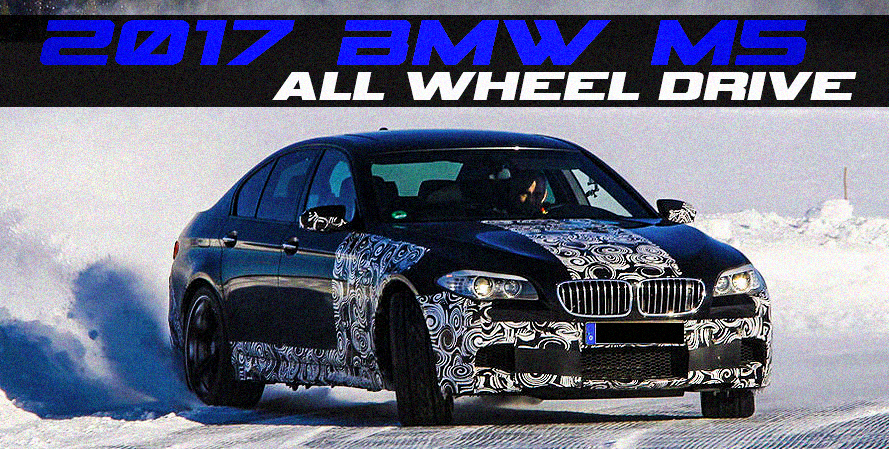
According to fresh reports out of Munich, the next-gen BMW M5 will be a lighter, higher horsepower, all-wheel drive luxury rocket ship. The 2017 M5 is expected to get a lighter chassis and a 40 HP bump, which will put it at 600 HP.
Franciscus van Meel, head of BMW ‘M’ Division is quoted: “If we continue the power increases in the future… then the next generation M5 and M6 will have so much torque and power that we need to think about those solutions.” This really makes perfect sense. The Mercedes-Benz E63 AMG went 4Matic, and that put two of the three cars competing cars in the AWD column.
In our opinion, the reality is that Cadillac has really become an engineering problem for BMW, and for the ‘M’ cars to have any hope to put down decent 0-60 numbers, well, they have no option really. As diehard Americans who bleed red, white and blue, we’ll take the new Cadillac CTS-V any day of the week.
Now this is a match-up we have been waiting for. The SRT Viper, equipped with the T/A package – takes on the 707-HP Hellcat Challenger. However, you can clearly see that the Viper missed a shift and hit the rev limiter, and the owner of the Hellcat (FATTCAT) went ahead and posted this video anyways, despite a gentleman’s agreement to not post videos of any runs where any driver misses a shift.
From another Viper owner:
“Thats my buddies Viper. Real stand up guys on Stance Autoworks, let me tell ya. Agree in the drivers meeting at the private track rental that people wouldn’t post footage from blown runs or to try to spin it one way or another if a run isn’t clean, and then this. They ran twice, Viper spun and missed a gear on one, and pulled the Hellcat on the other. You can see the road they chose to take with the insinuating title and choice of footage. Pathetic.
Viper trapped 130-132.5mph consistently on that track day, wheres the Hellcat trapped 125-126mph (same track same day), you make your own conclusions.”
There you have it: The Viper missed a gear in this video, yet it was still posted anyway. The Hellcat owner didn’t post the other video where he lost on a clean run.
There are few absolutes in life, but you can’t go wrong with a video showing an F-16 Falcon dueling it out with Challenger Hellcat – especially if they are racing each other in the rain.
We have to admit, these Jet vs. Car videos are typically anticlimactic and this video is no exception.
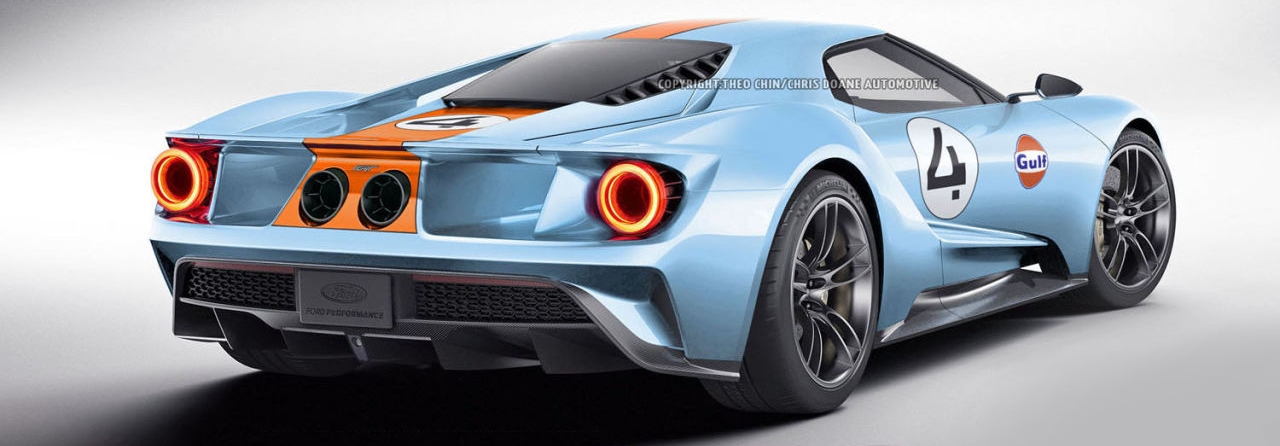
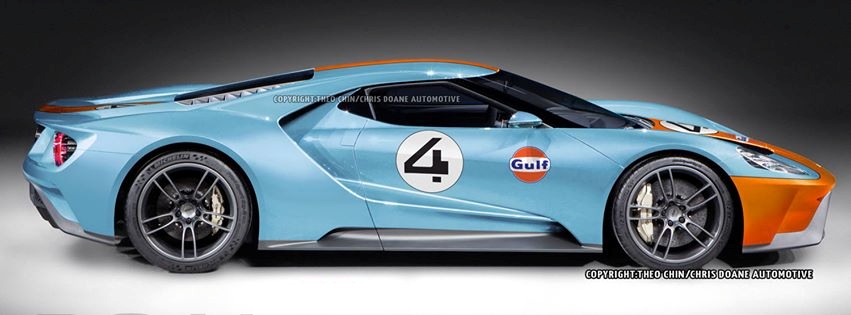
The iconic blue and orange paint job is back on the car that made it famous.
Well, in digital form anyways.
But what is really exciting is that Ford has made it clear in recent days that the focus of this new GT supercar program is a return to the racetrack.
This twin-turbo V6 stunner has big dreams to return to LeMans in 2016 – 50 years after the original GT40 MkII made history and outperformed Ferrari in the famous 24 hour endurance race in France, and the timing is no coincidence.
The new Ford coupe is built to conform to the Automobile Club de l’Ouest’s (ACO) GTE regulations. This is the same class where the factory Porsche, Ferrari, Corvette Racing and Aston Martin teams compete in the annual 24 Hours of LeMans race.
We also know that pilots of this Ford GT will be none other than Scott Pruett, the winningest driver in North American road racing history. His connection to Ford dates back to the 80’s when he joined the manufacturer as a developmental driver. A secondary driver, Joey Hand, has been a factory BMW driver for eight years.
These two American drivers are ready to lead the development of the Ford GT as the team gets ready to represent Ford on the international stage.
Other details we have learned is that Ford was supposed to announce the return to LeMans at the same time they announced the Ford GT at the NAIAS, but Ford has opted to time the announcement right before the race at LeMans in June.
The new Ford GT’s is powered by the same 3.5-liter TTV6 EcoBoost Daytona Prototype engine, and it only makes sense for Ford to run with theis engine. And due to the reliability it has displayed at major endurance events such as the 24 Hours of Daytona, the Ford GT road car will hit the ground running with a thoroughbred engine package.
Furthermore, the Le Mans / TUDOR series is arguably the best automotive road-racing series going these days. We hope that this addition brings the series more viewers and fans. Where else do you get to see such a diversity of bleeding-edge technology along with the world’s best production-based race cars?
This is an exciting time for Ford, and they are getting ready to display our racing heritage on the international stage. We will keep you updated as this race program develops and prepares for the June race.
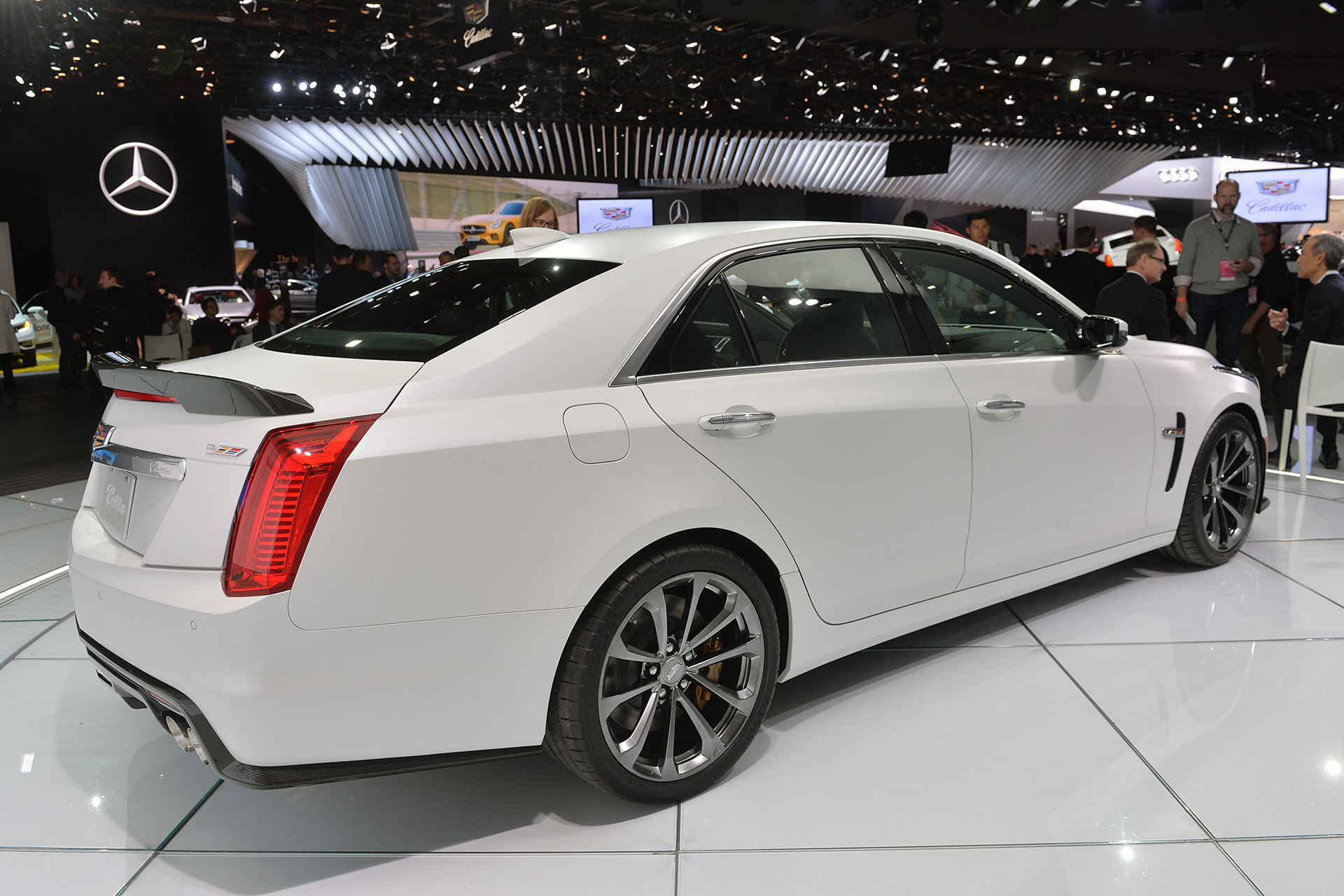
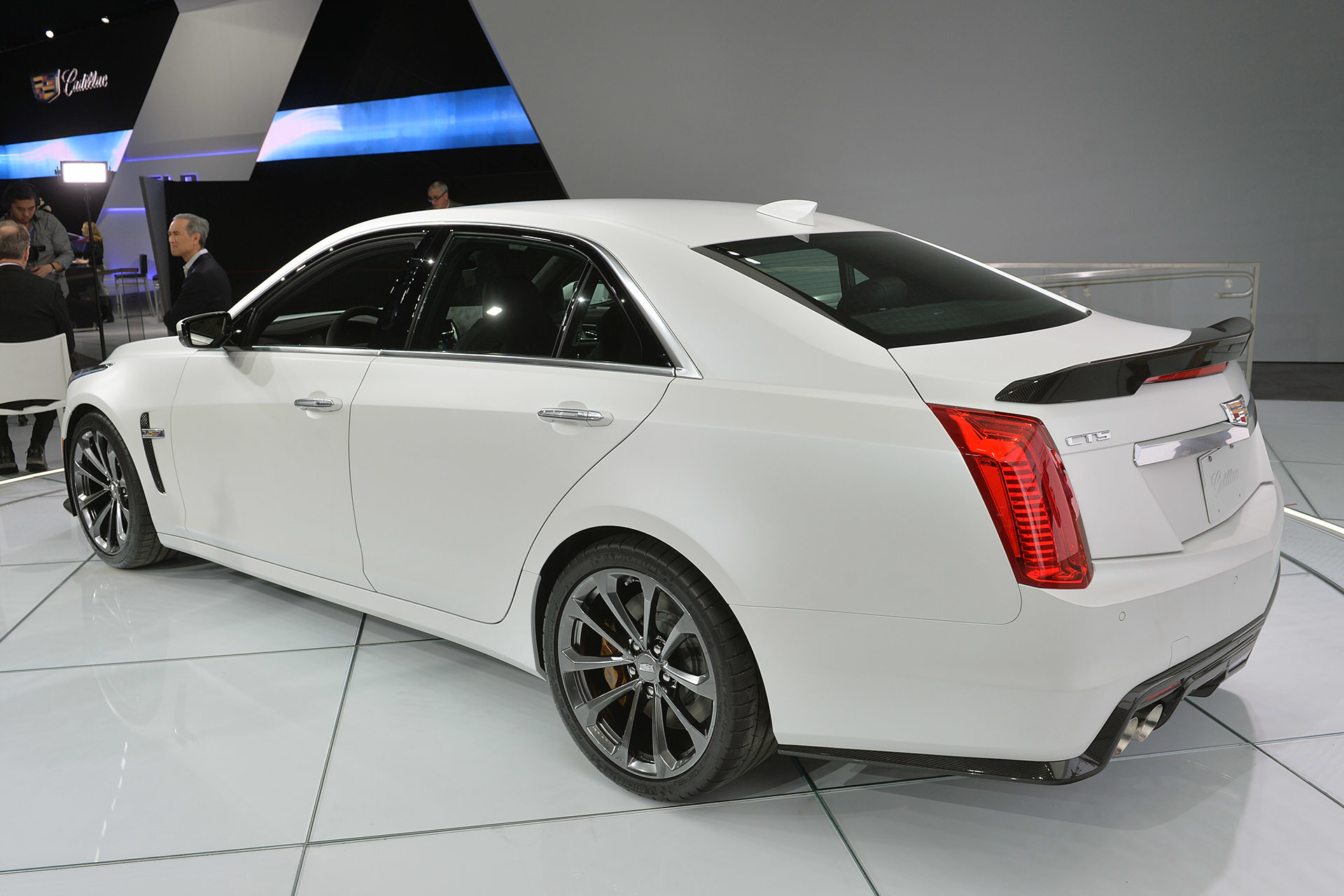
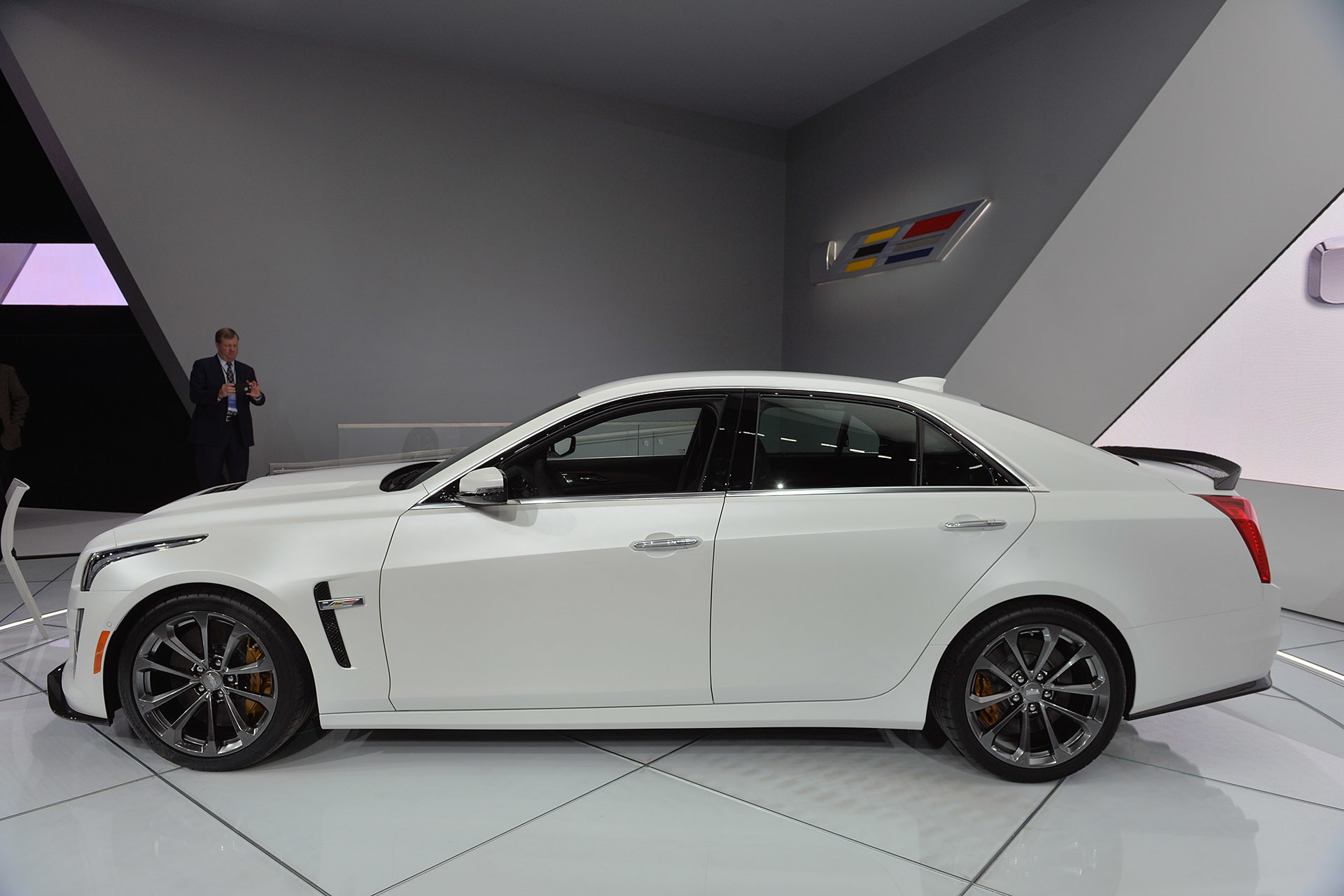
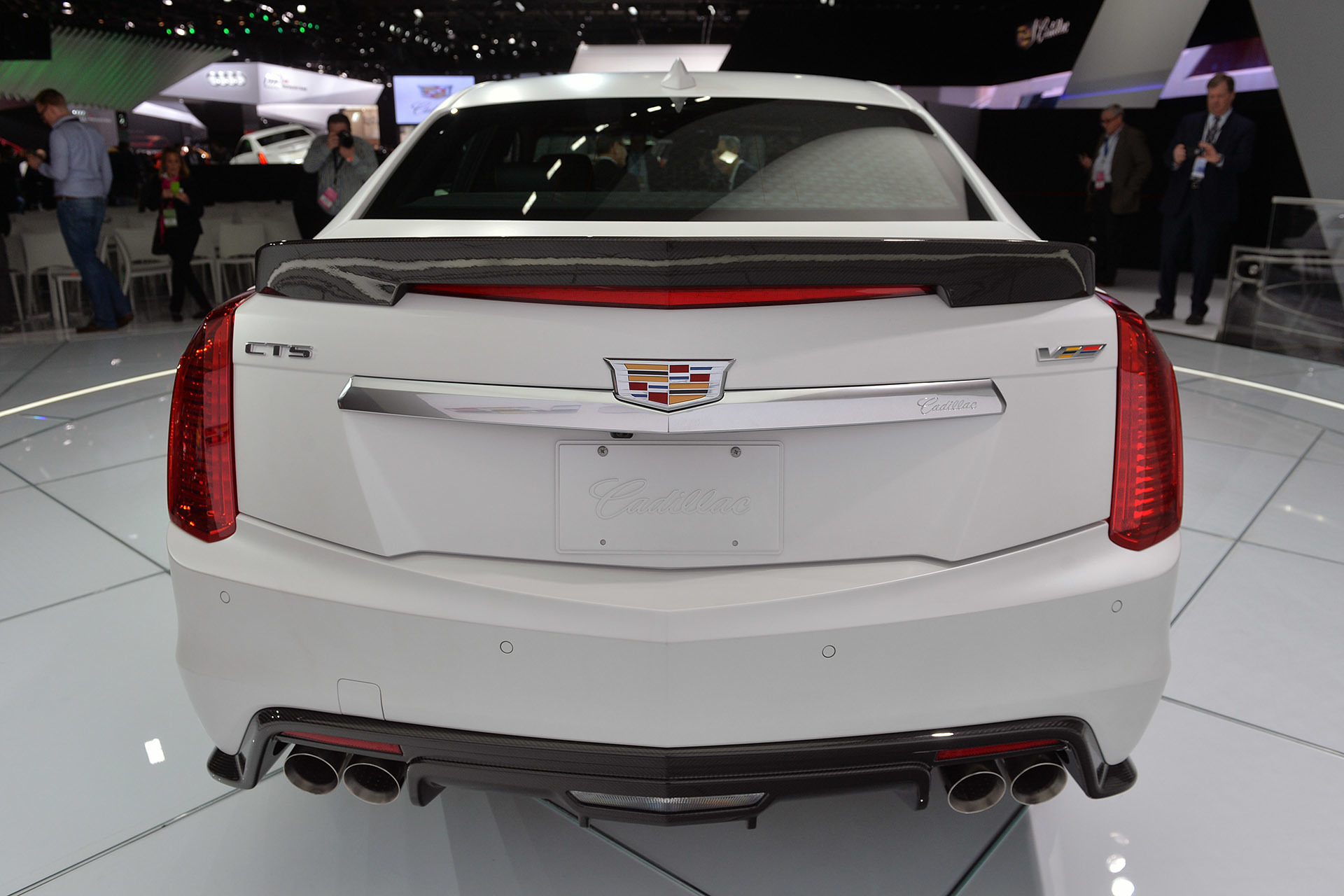
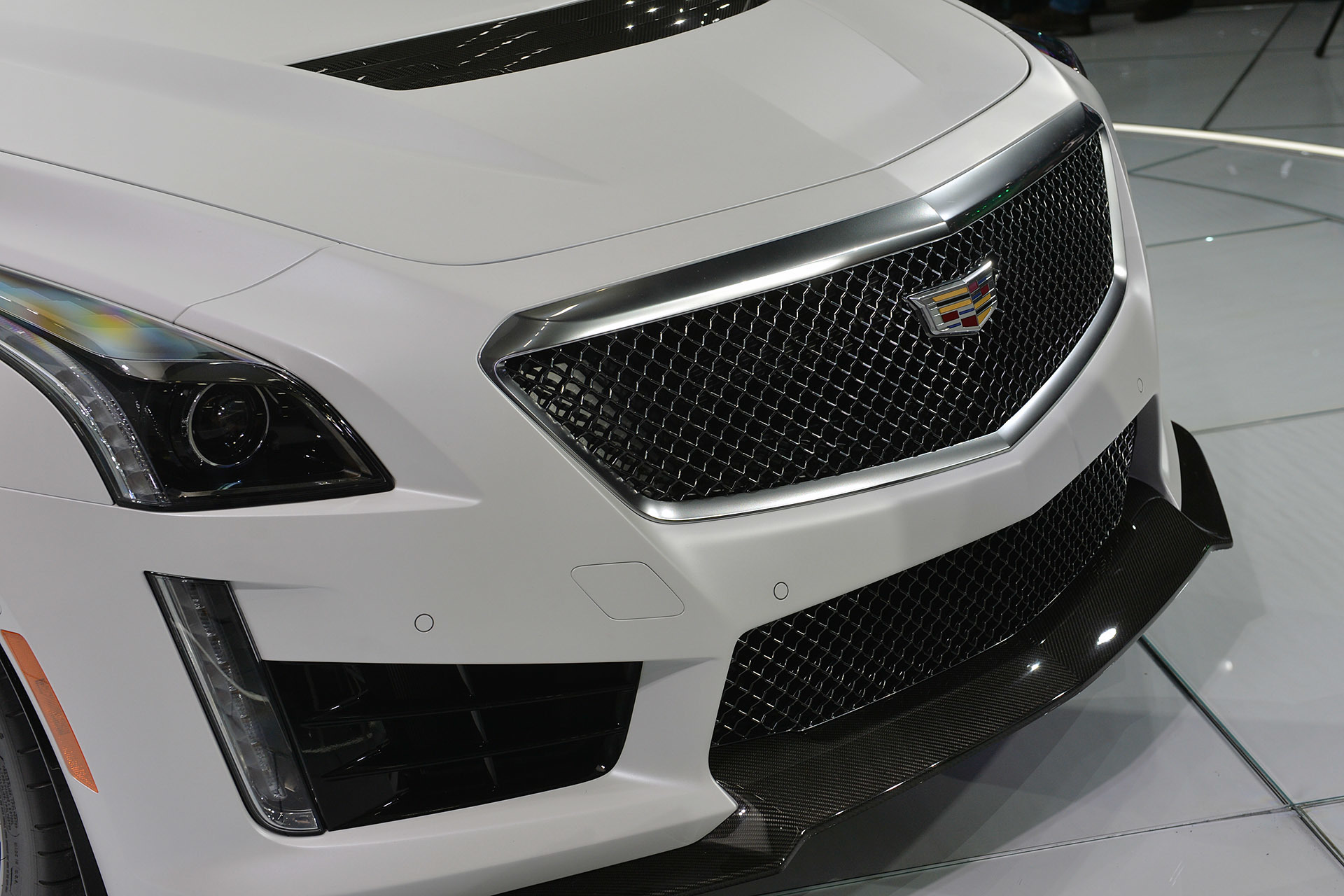
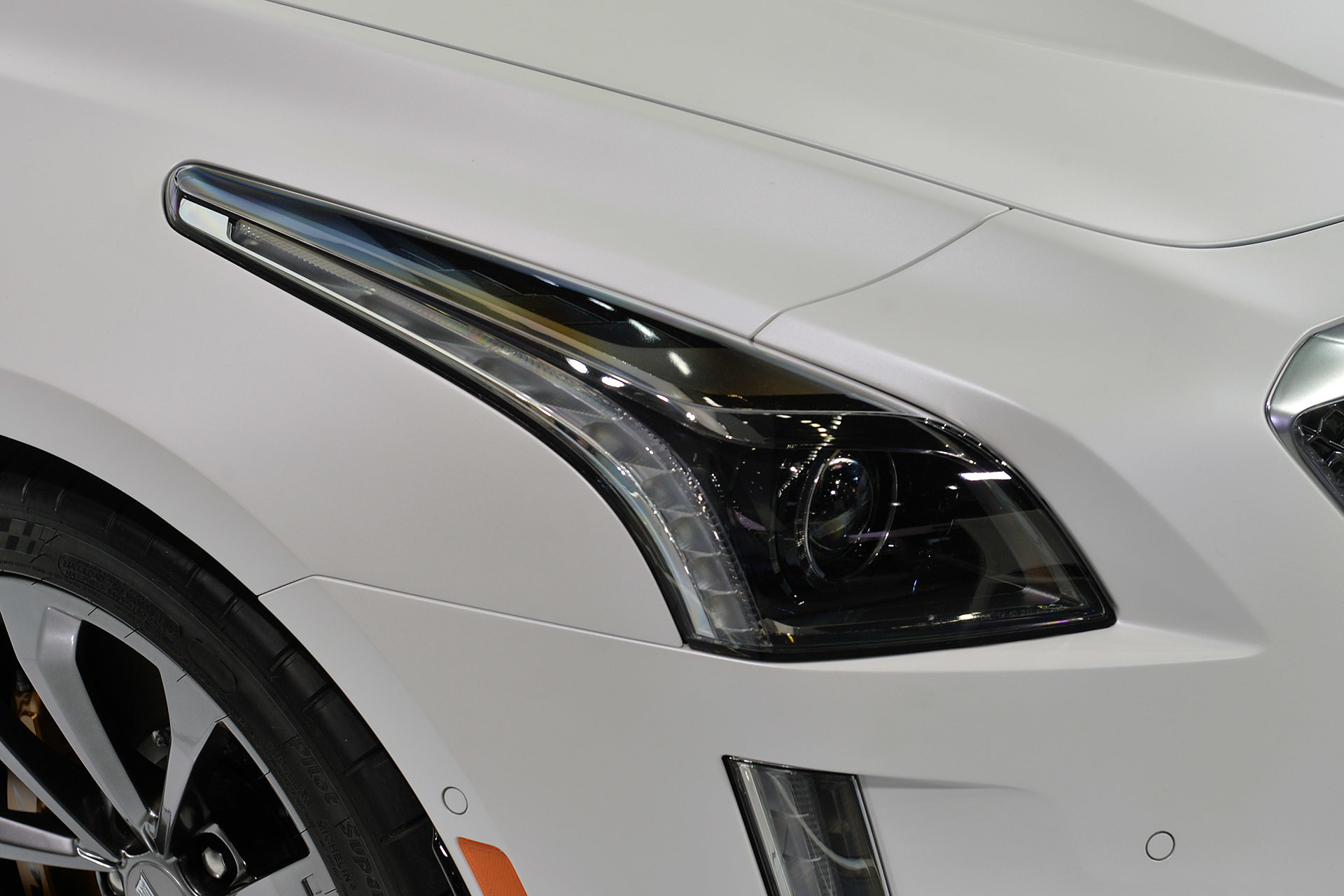
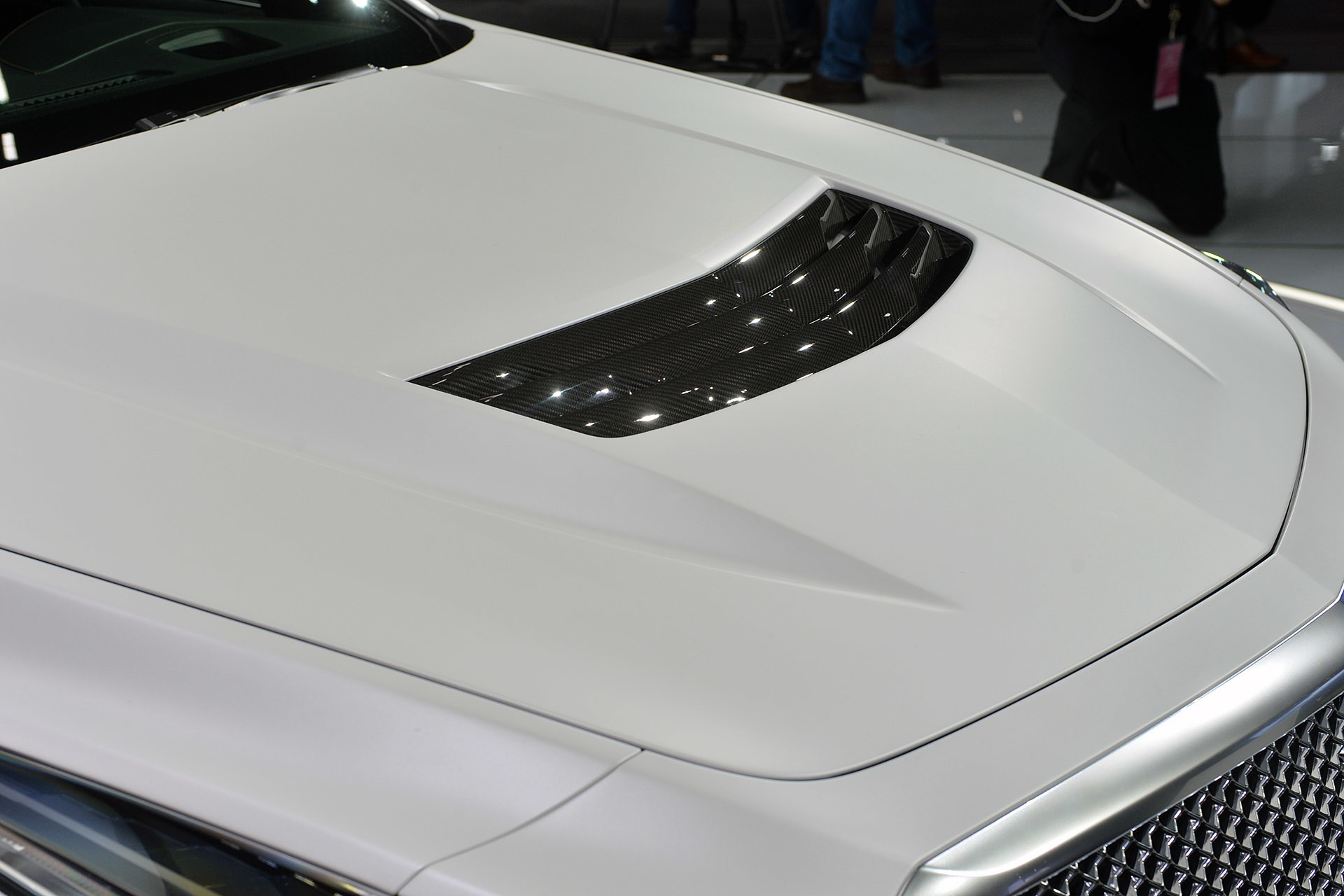
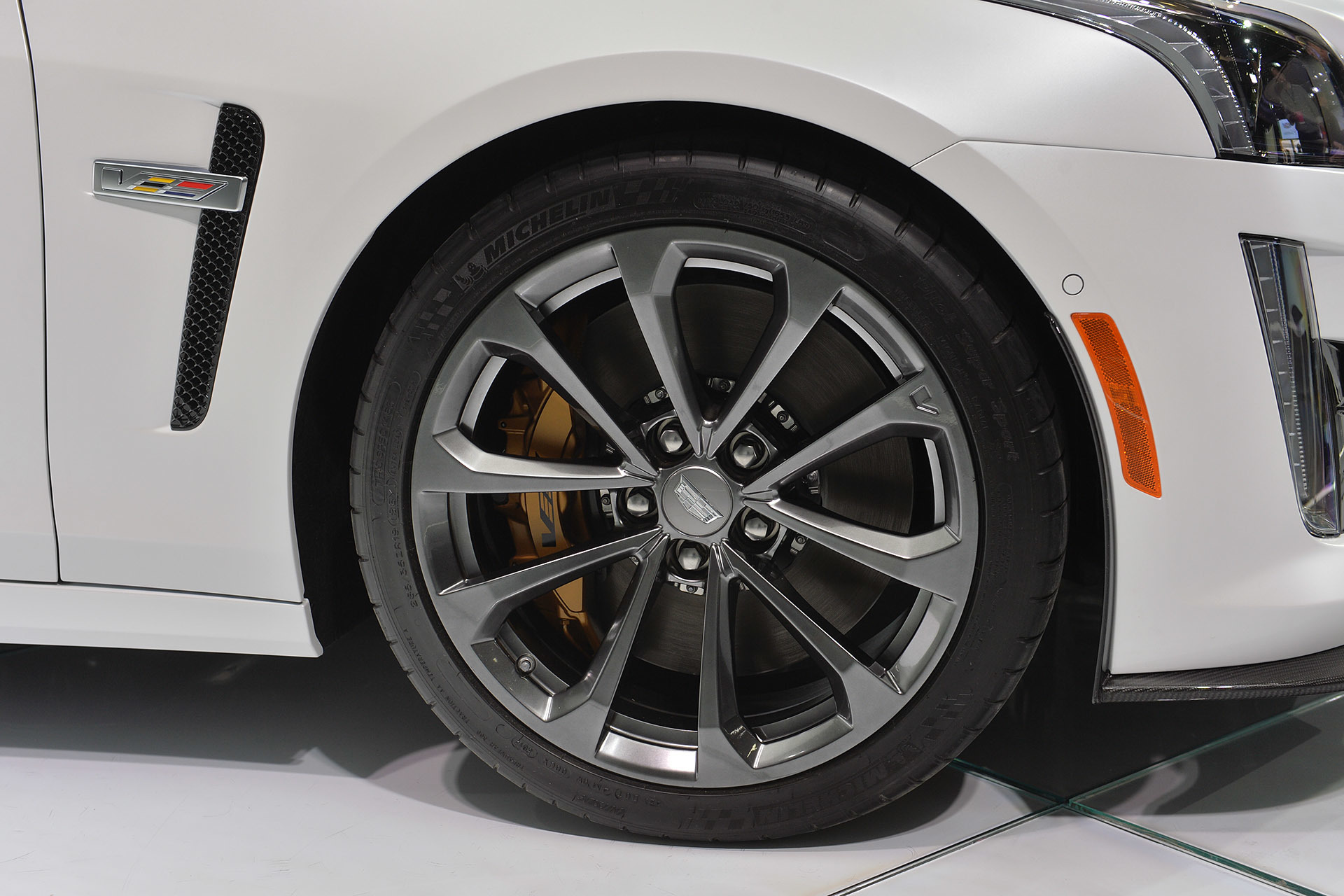
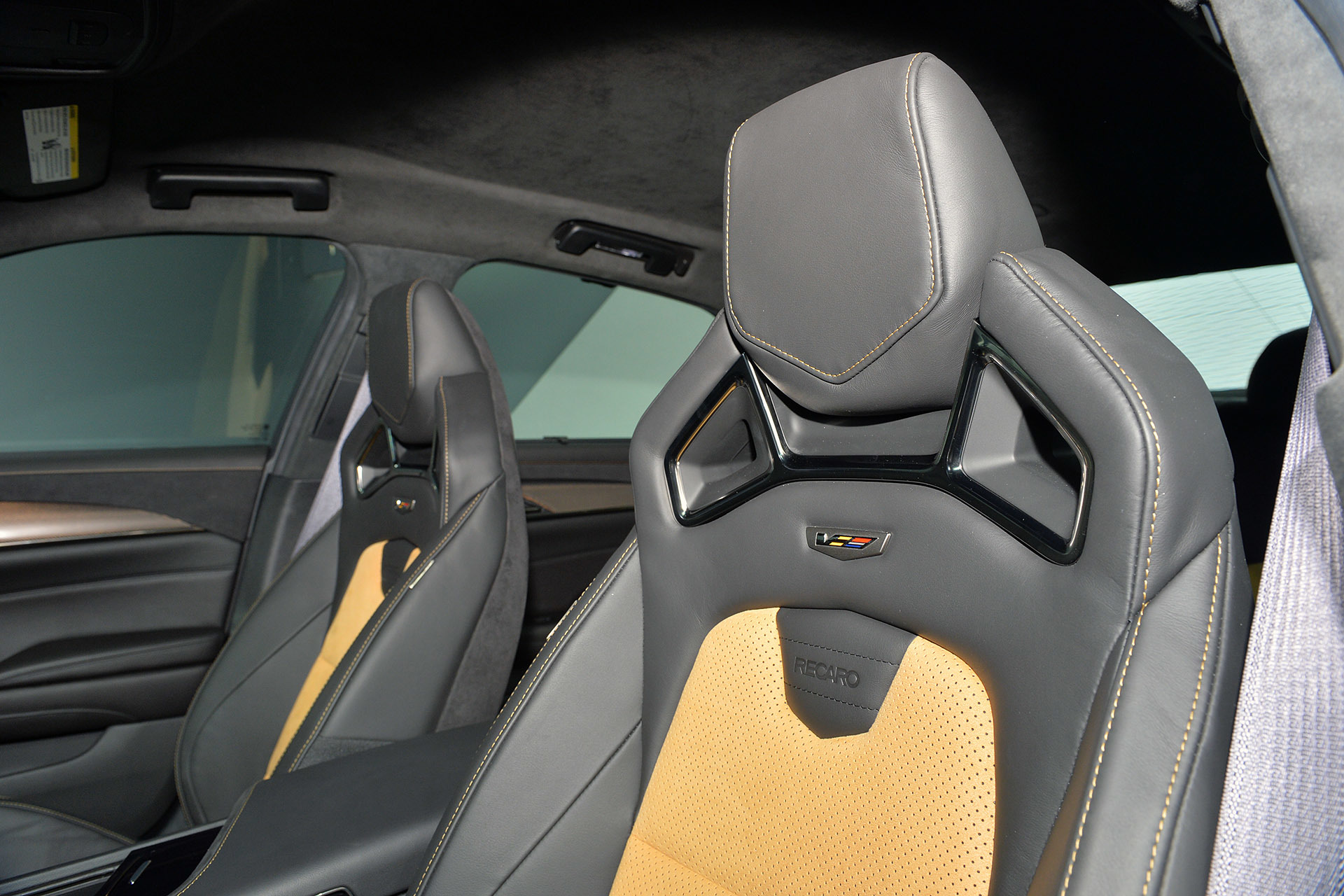
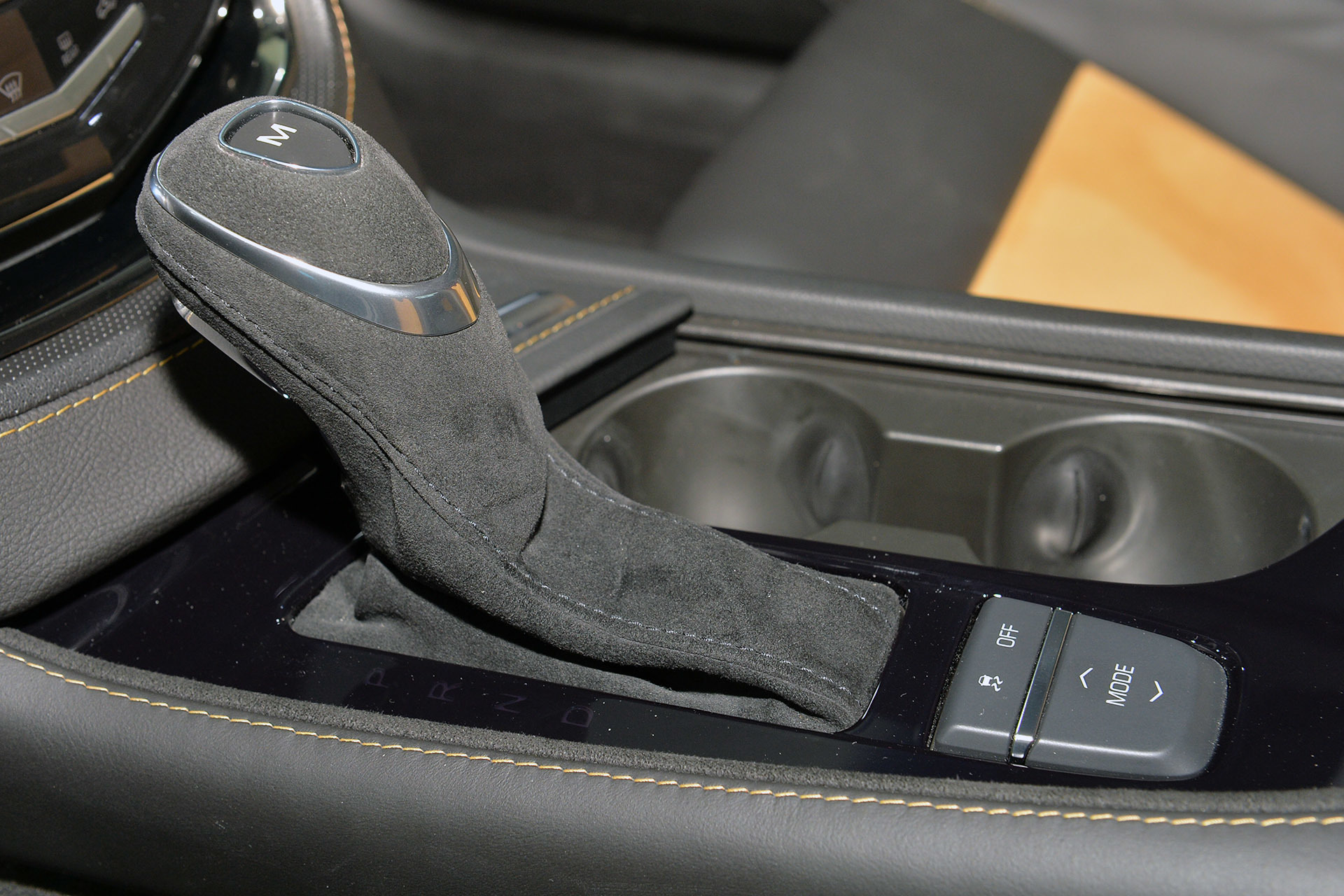
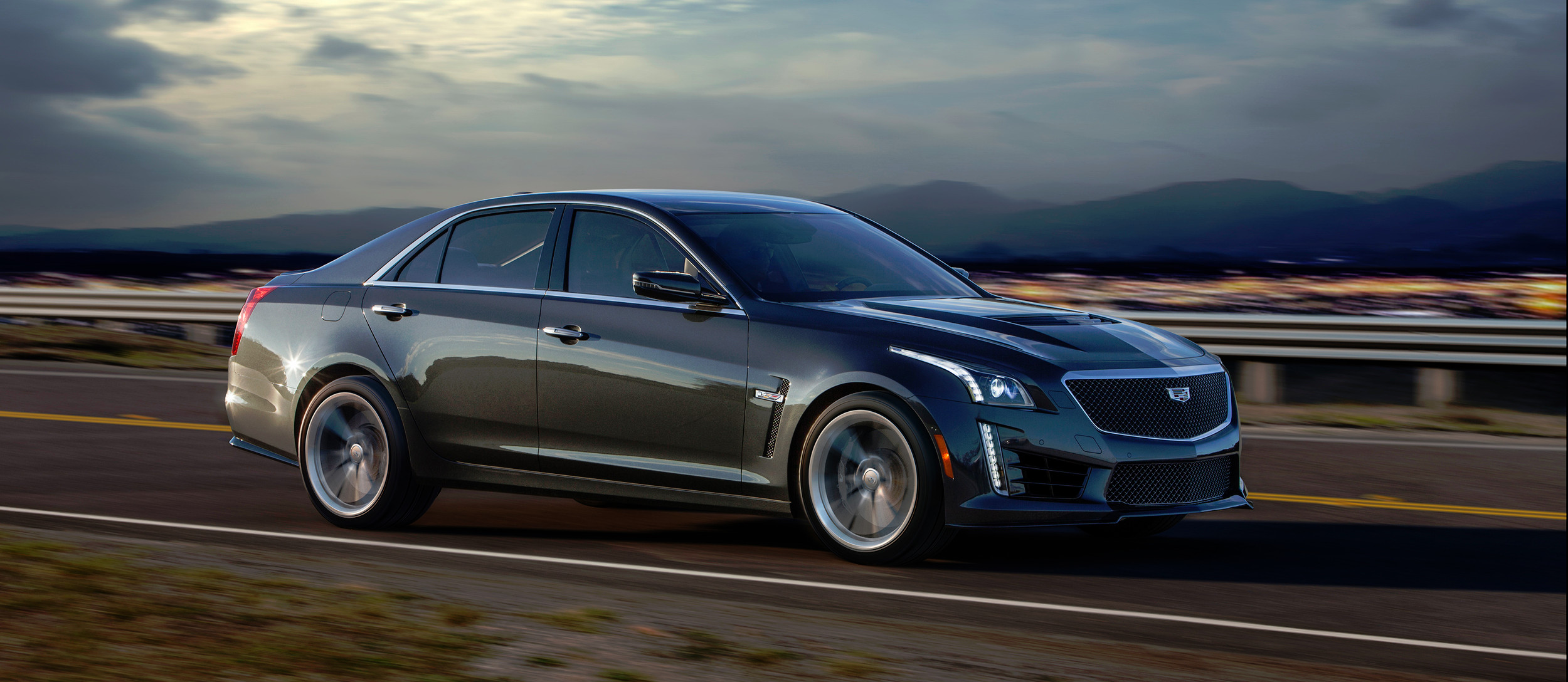
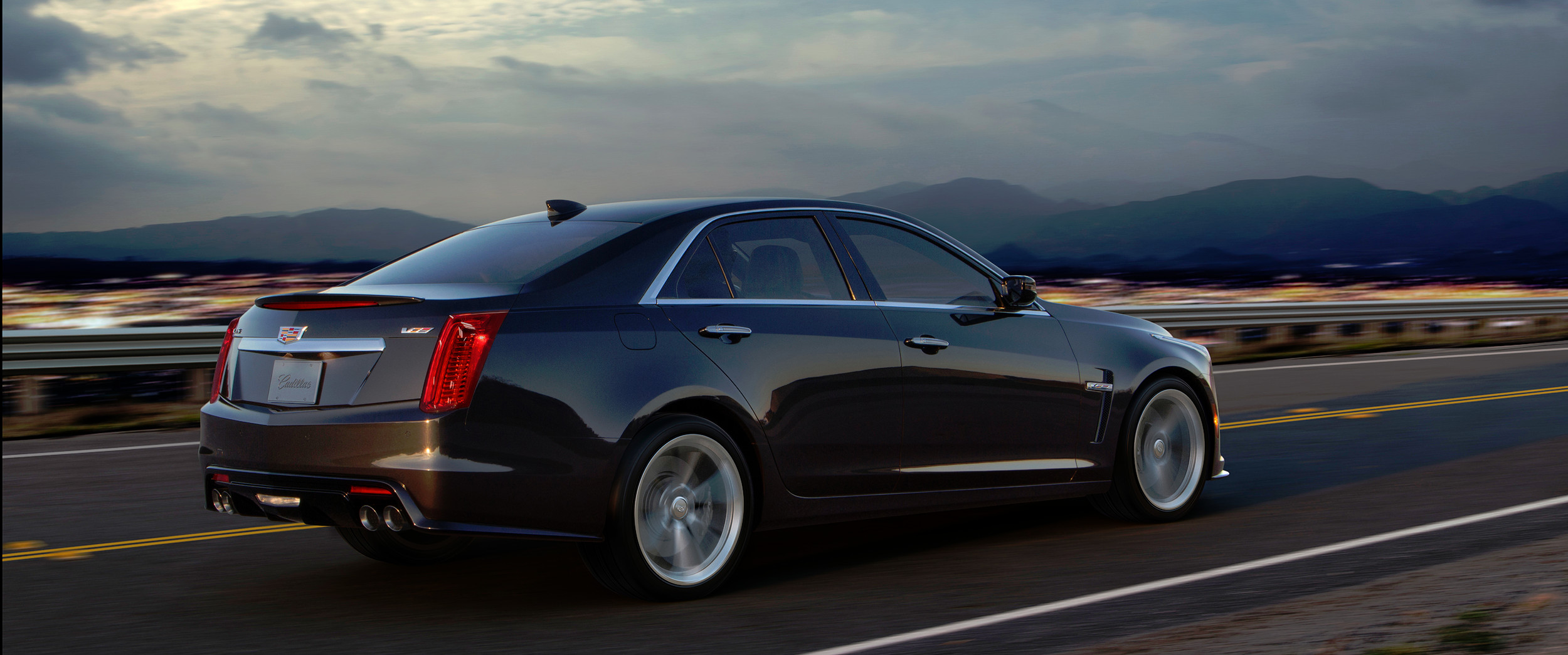
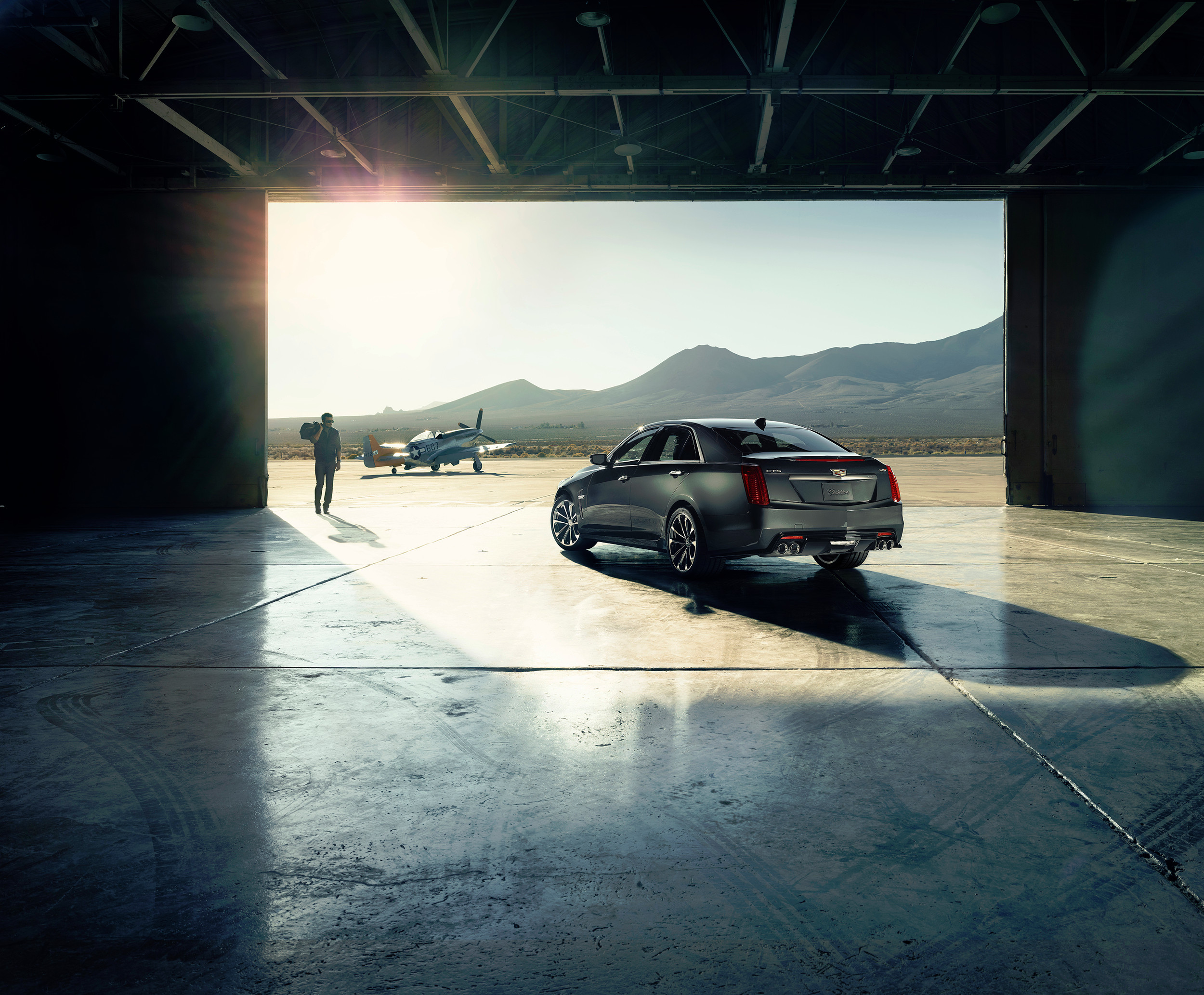
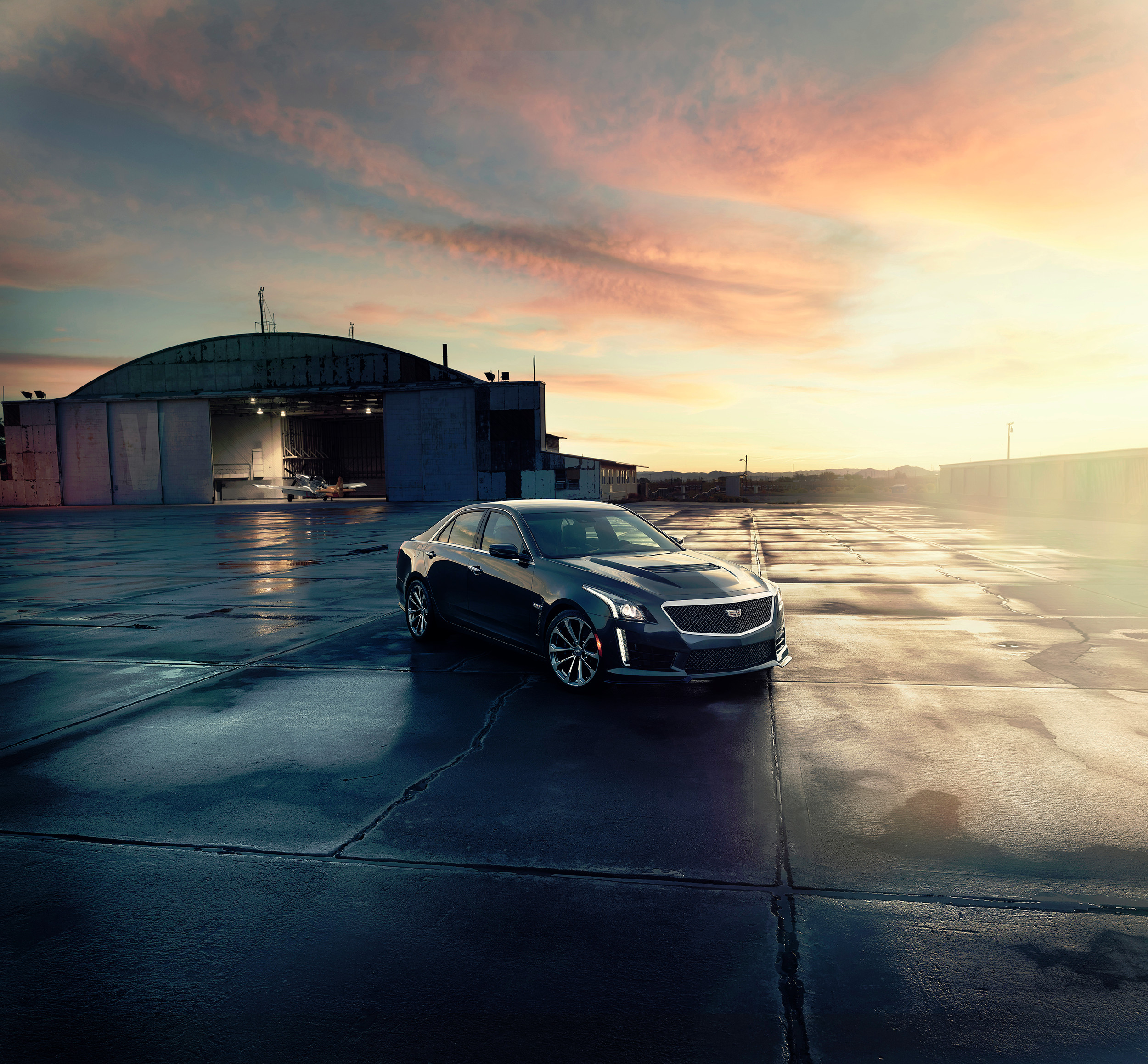
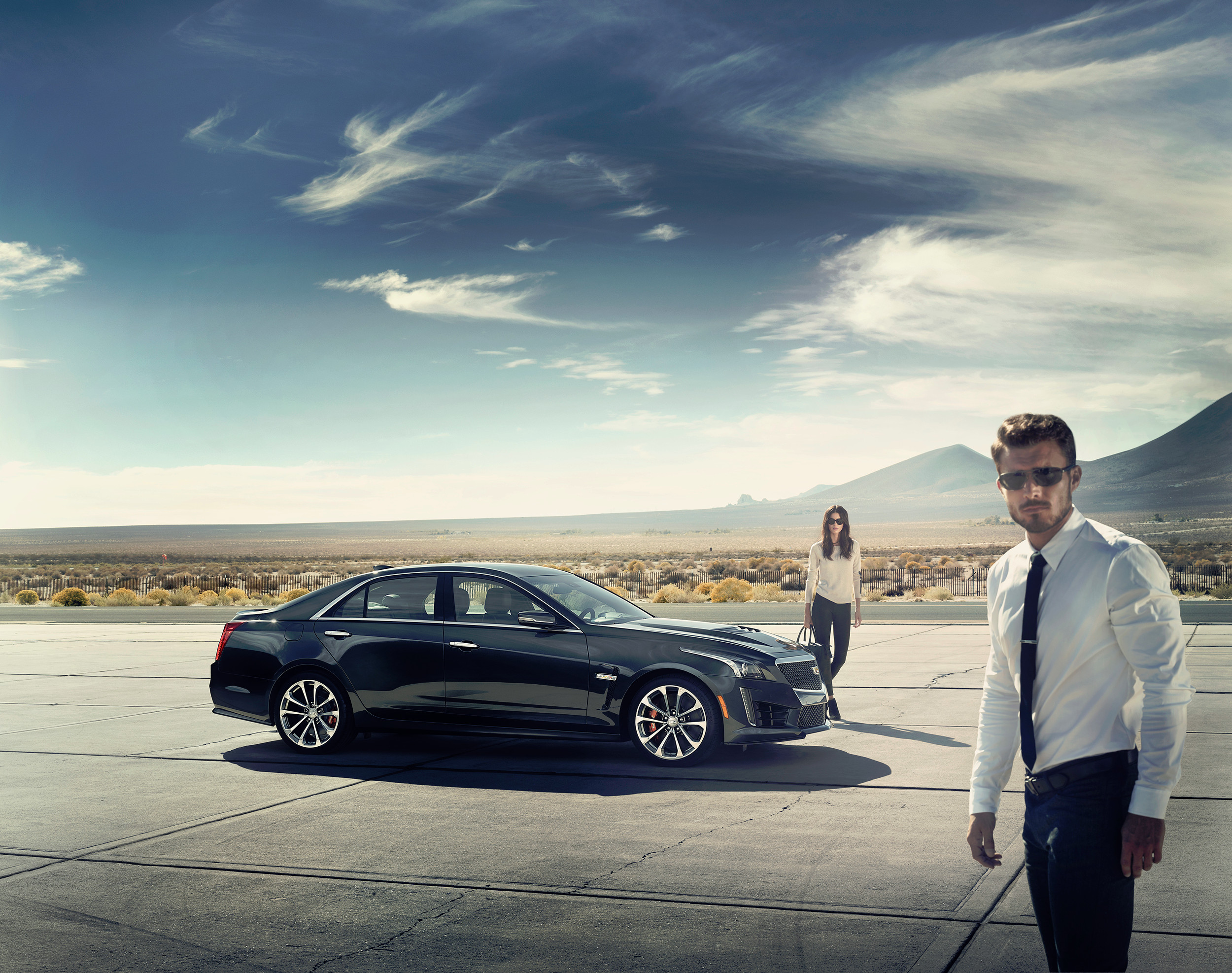
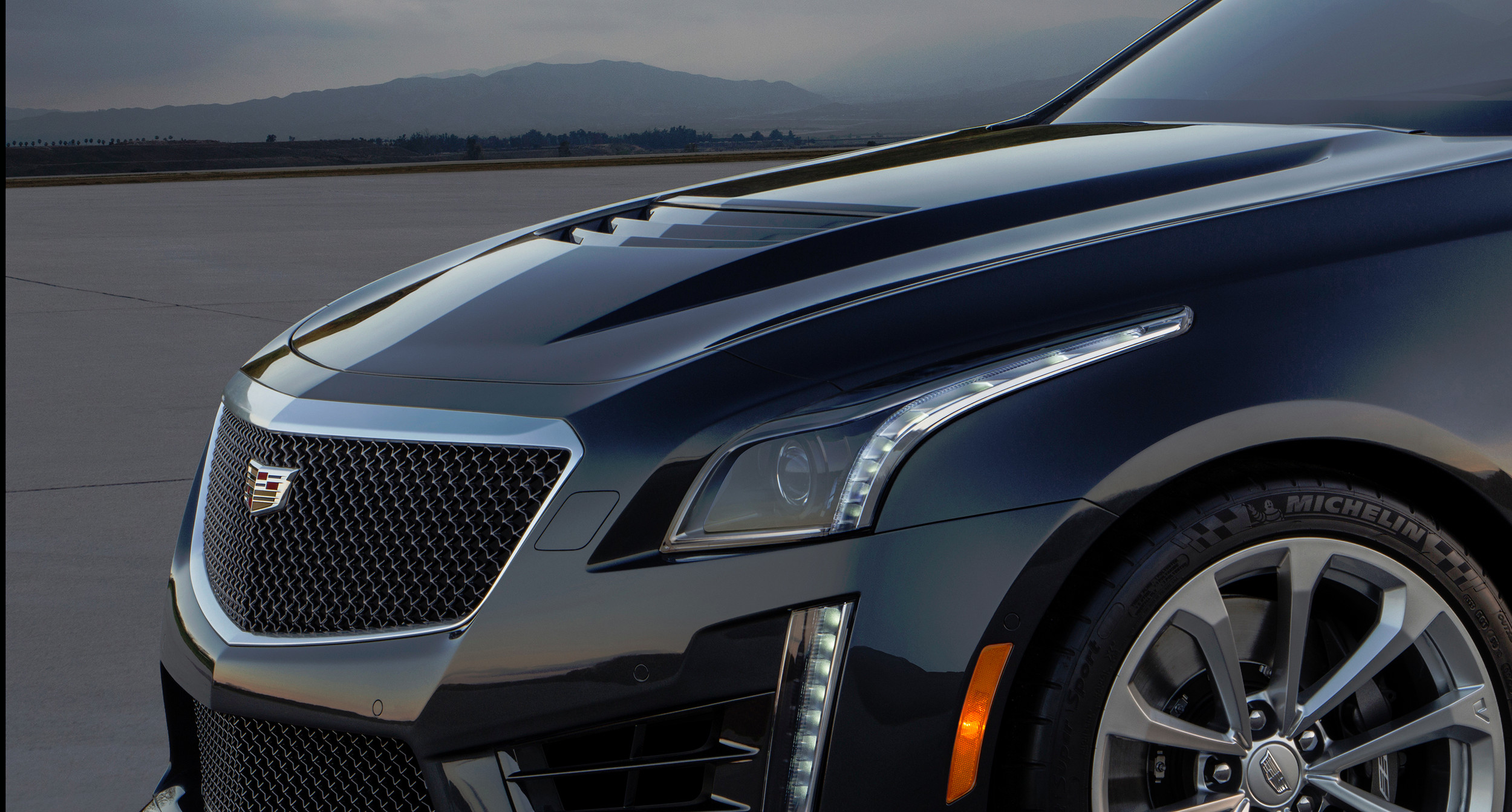
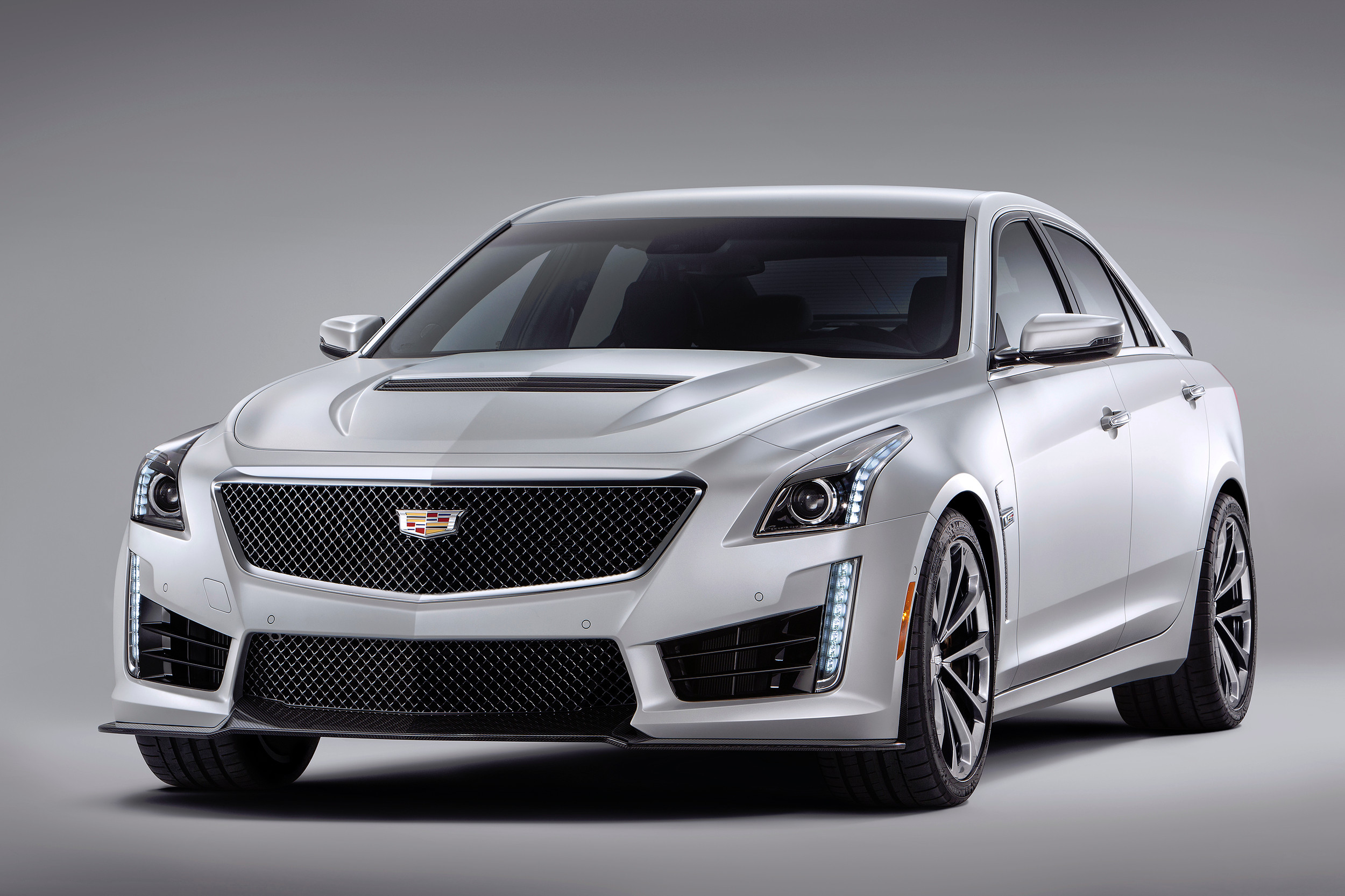
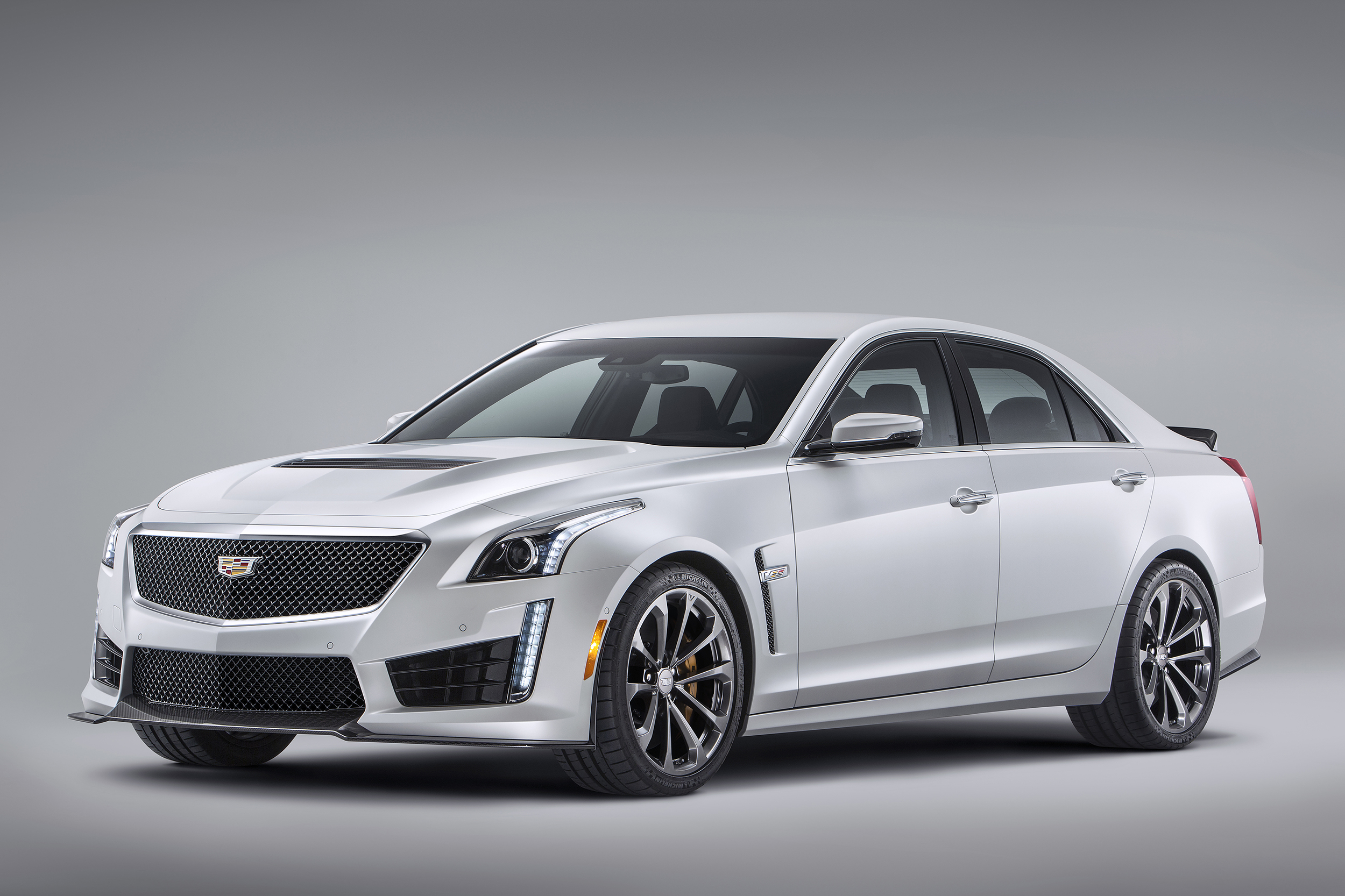
Cadillac knows a thing or two about high performance luxury, and the new CTS-V epitomizes that mantra in every way.
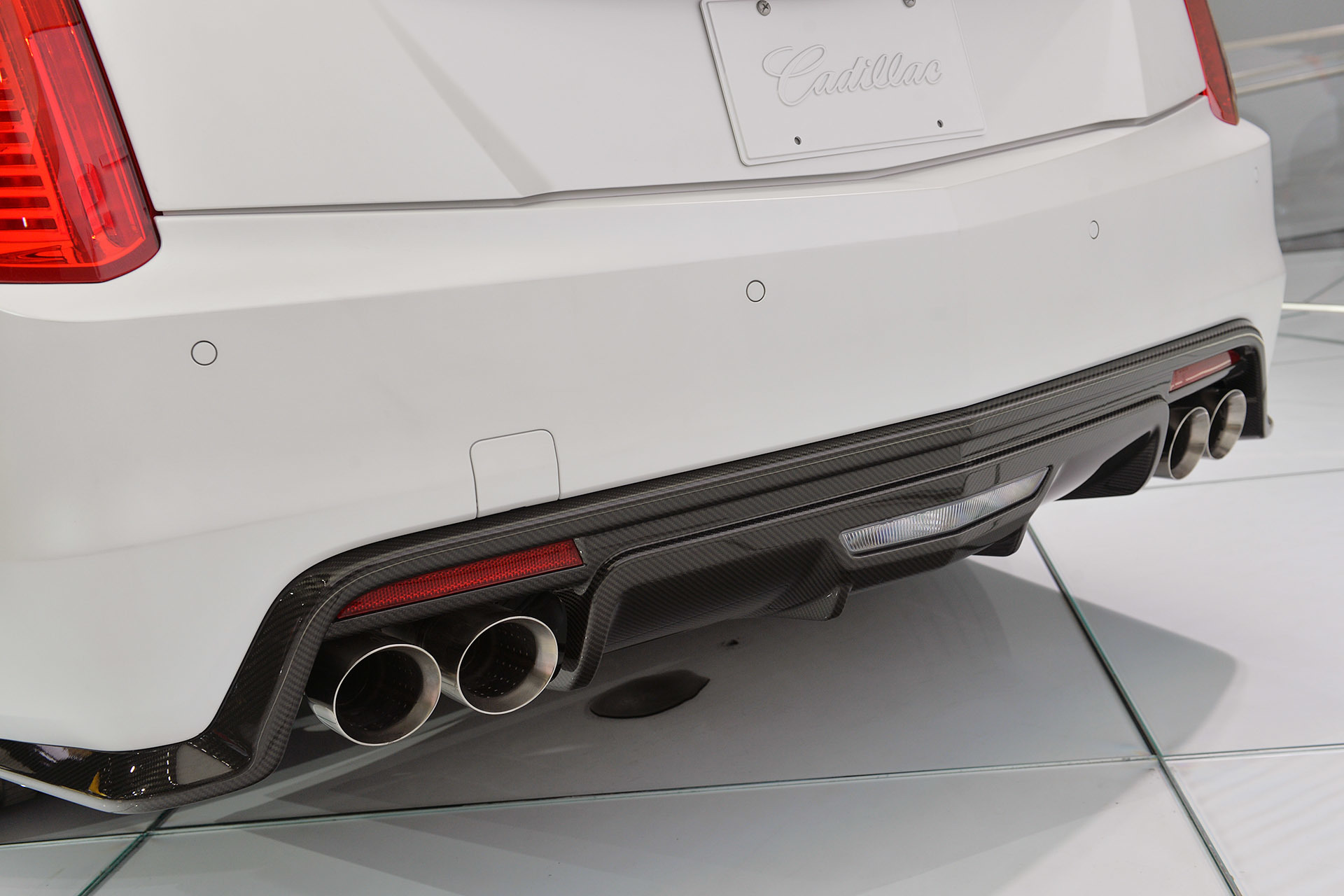
GM is not messing around with some ‘small displacement, twin turbo V6’ to abide by EPA/CAFE restrictions. No, they went straight for the throat and stuffed a supercharged, 6.2L LT4 under the hood – and it cranks out 640 HP and 630 pound-feet of torque. This is the same motor found in the new C7 Corvette Z06. All of this power is channeled through an 8-speed transmission, then to a set of very large Michelin Pilot Super Sport tires.
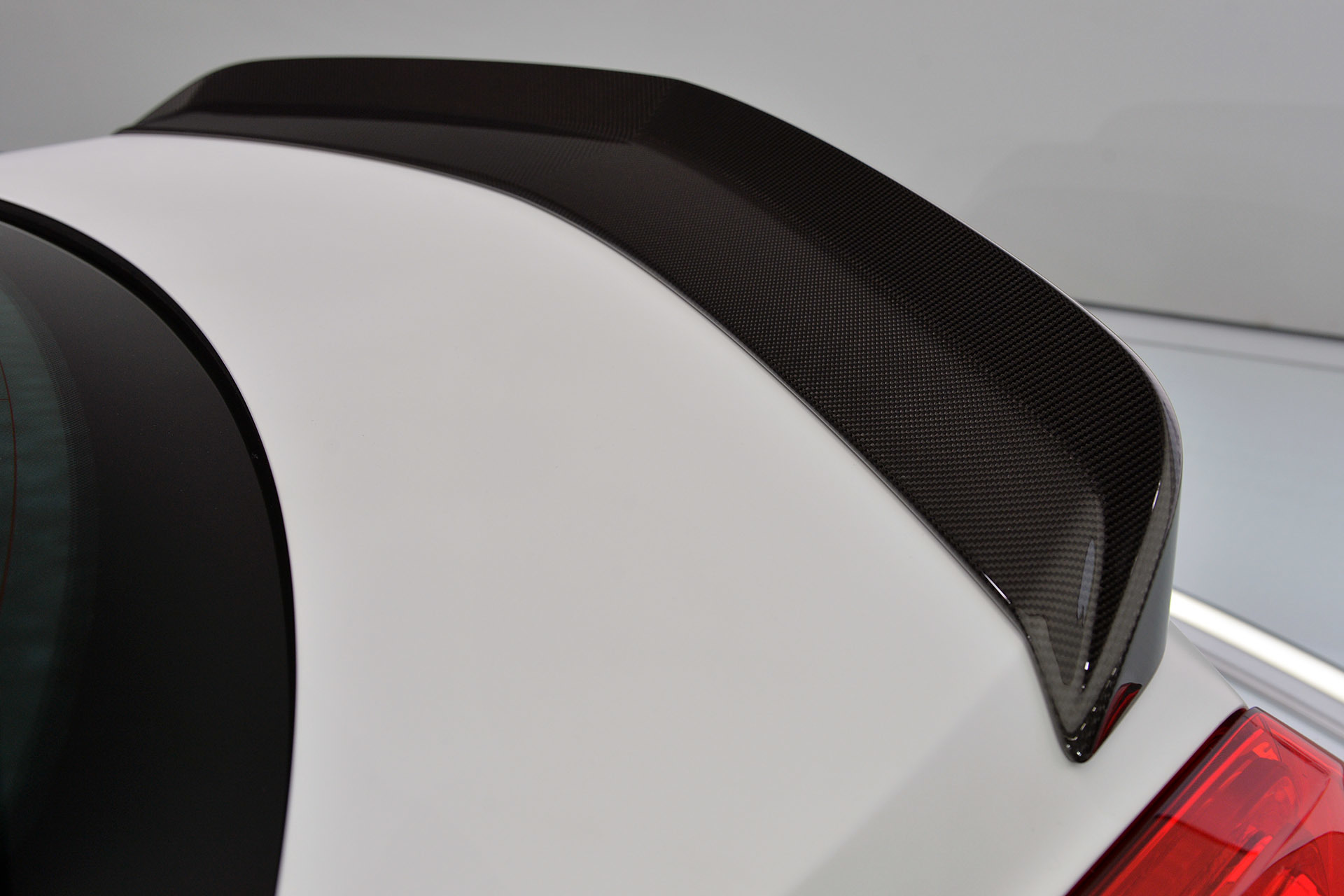
To ensure the CTS-V can put your guts in the back sear with accelerative Gs, Cadillac stiffened the car’s structure by 25 percent and fitted MRC (magnetic ride control). A substantial rear spoiler, front splitter and diffuser also improve grip through aerodynamics.
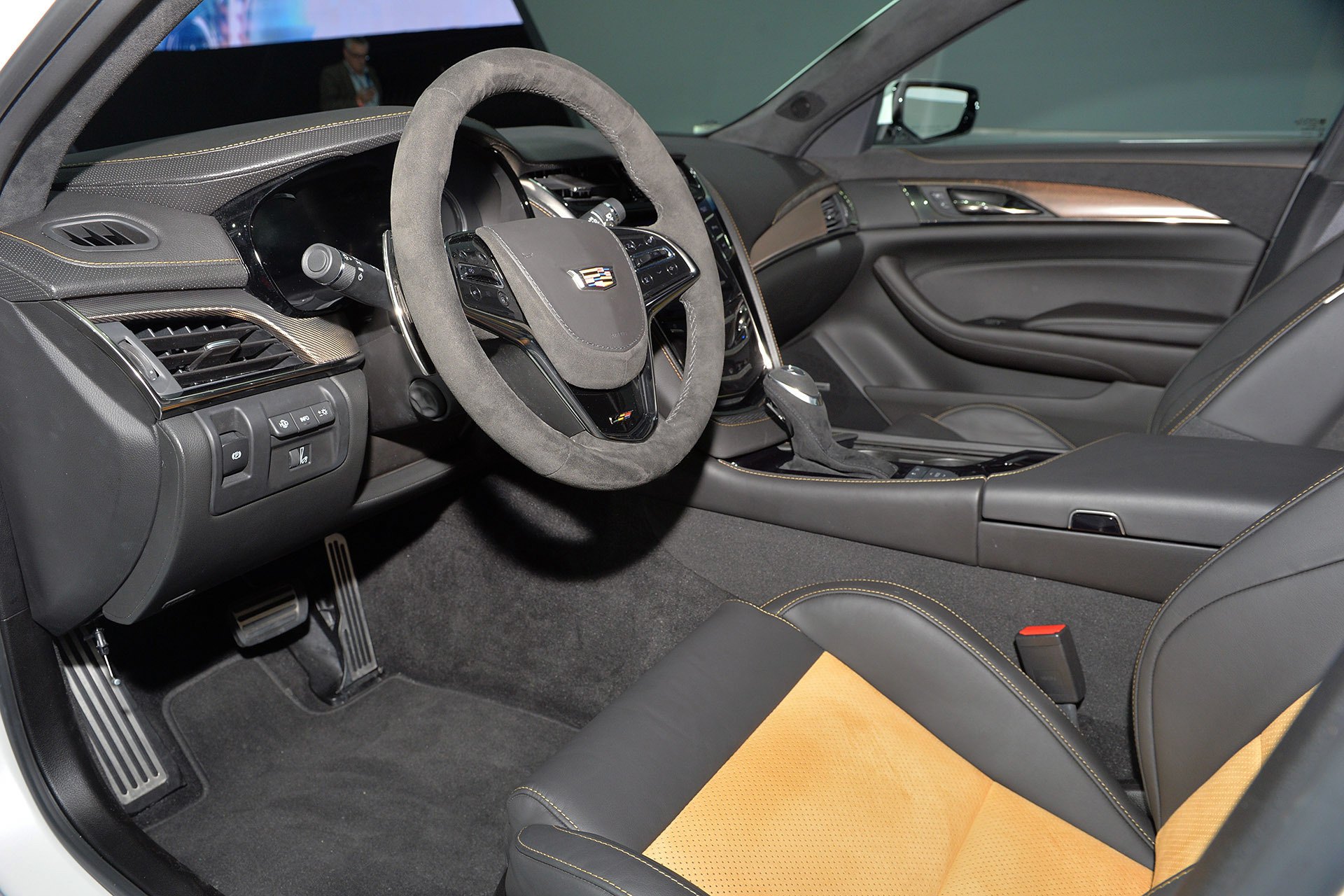
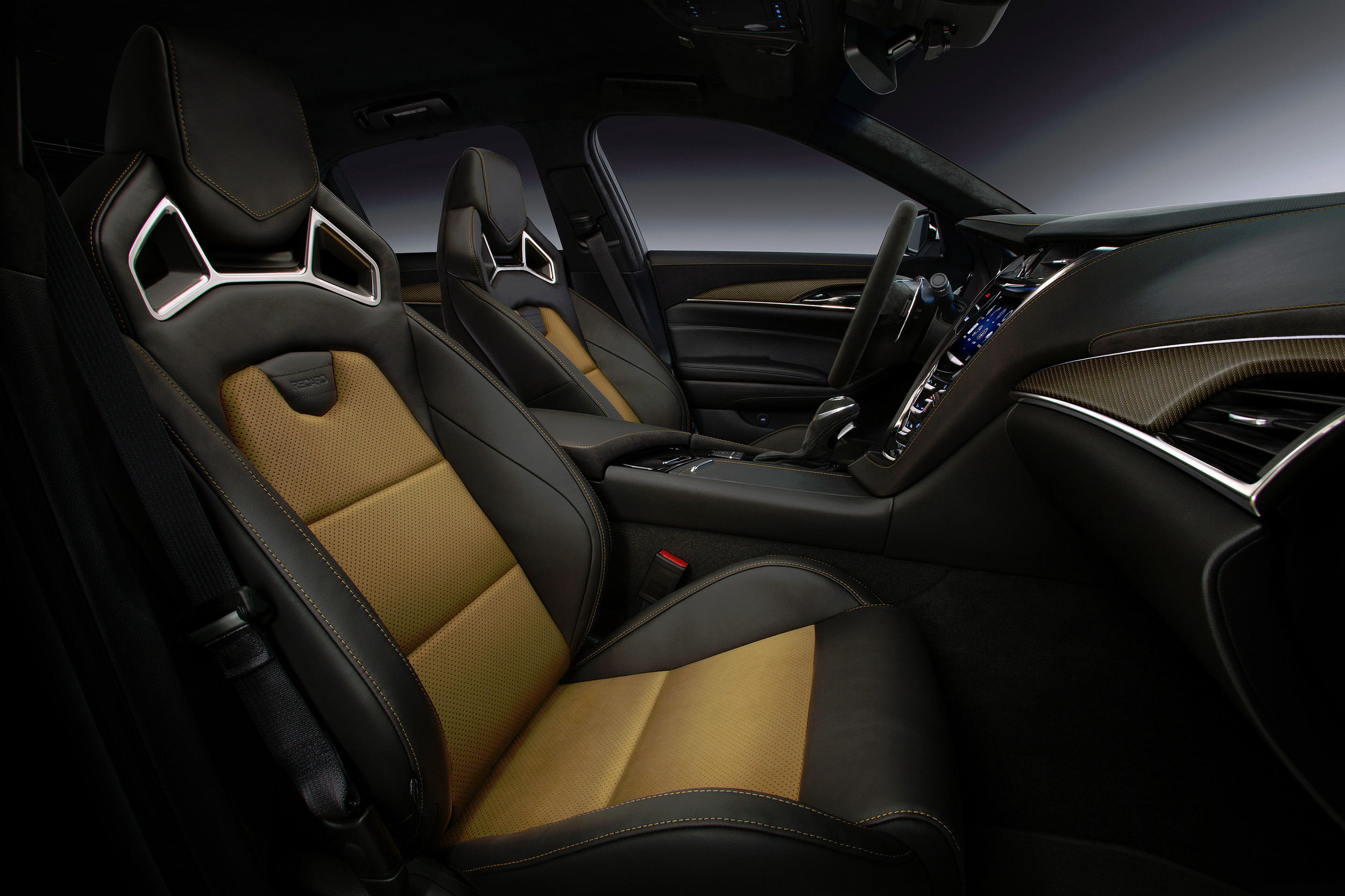
The new CTS-V also sports a pair of two-piece Recaro sport seats, which are found in a luxuriously appointed cabin, complete with 4G LTE connectivity, a Bose stereo and Siri Eyes, for free. There’s even that Performance Data Recorder that is found in the 2015 Z06, which will be on hand to record your hero moments at the track.
This is a luxury performance sedan done right. Well done, GM.
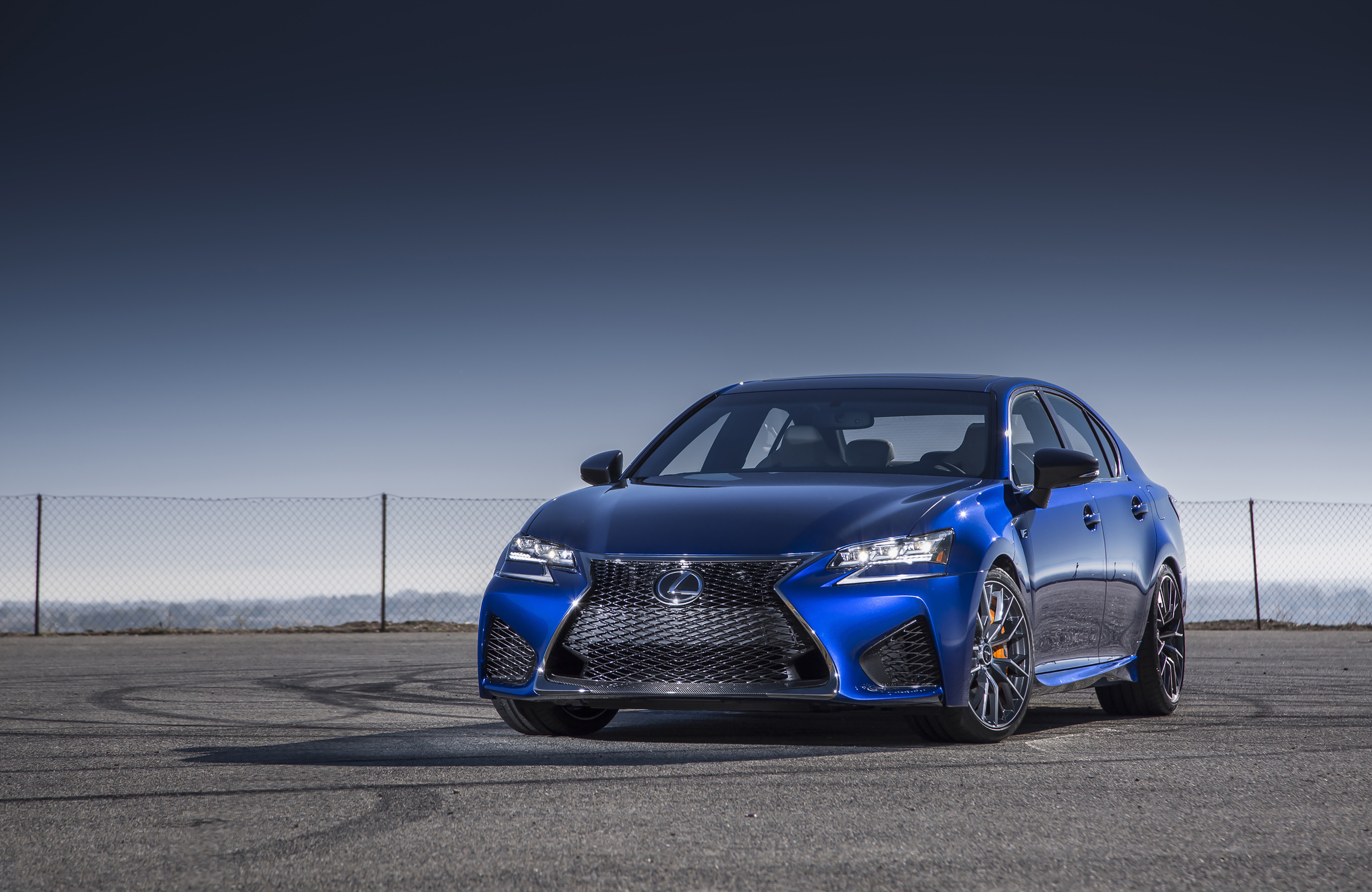
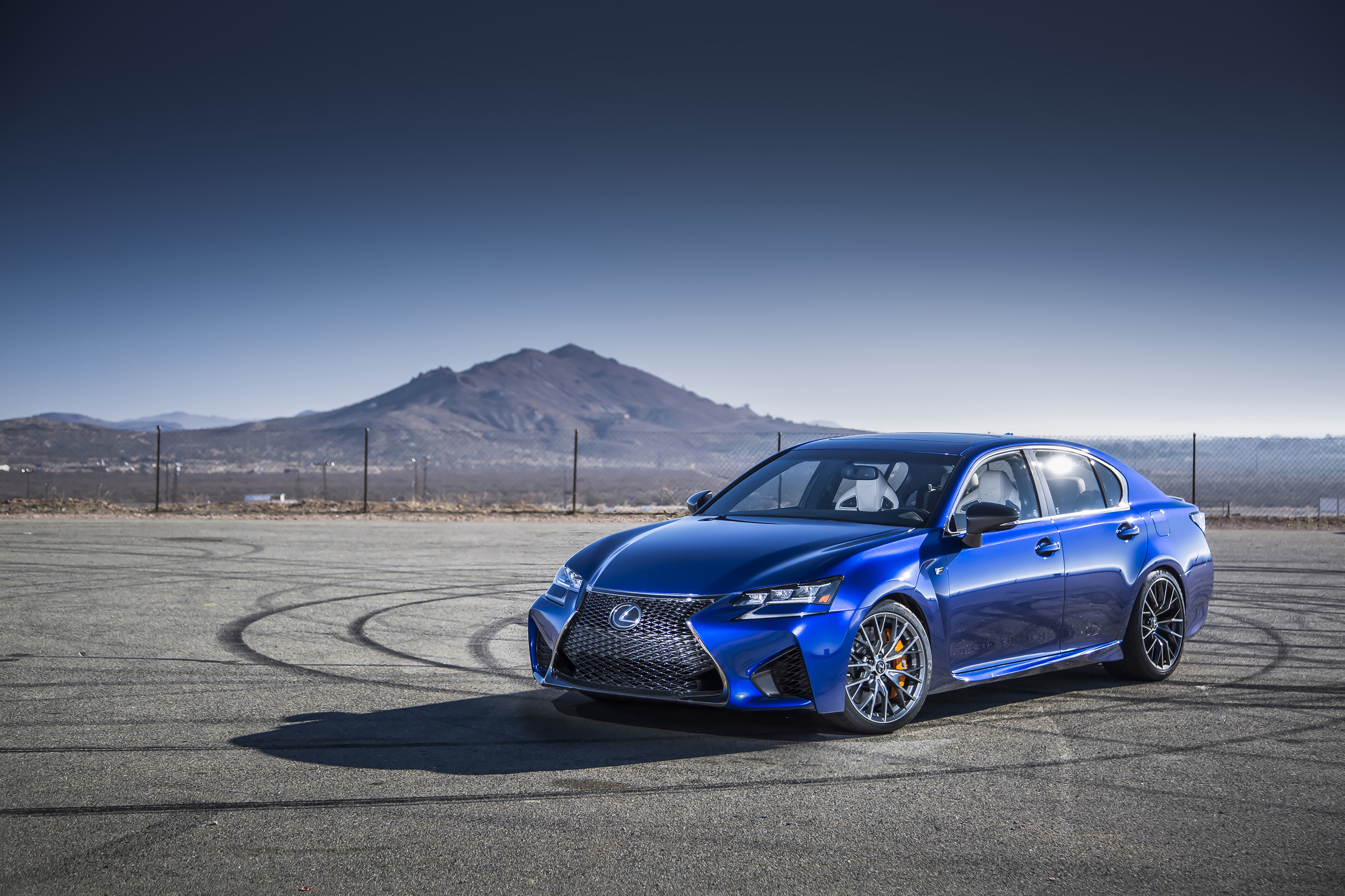
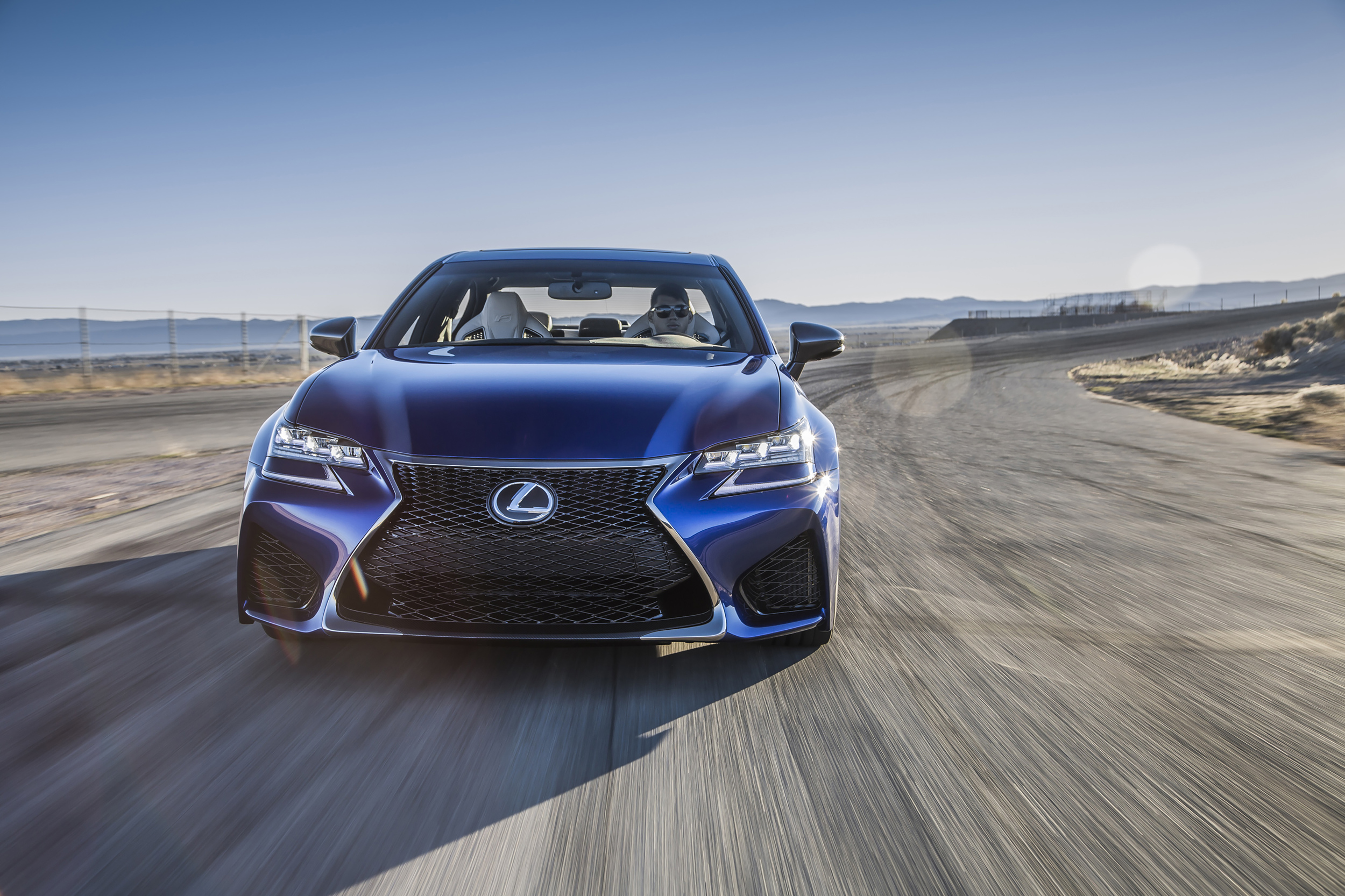
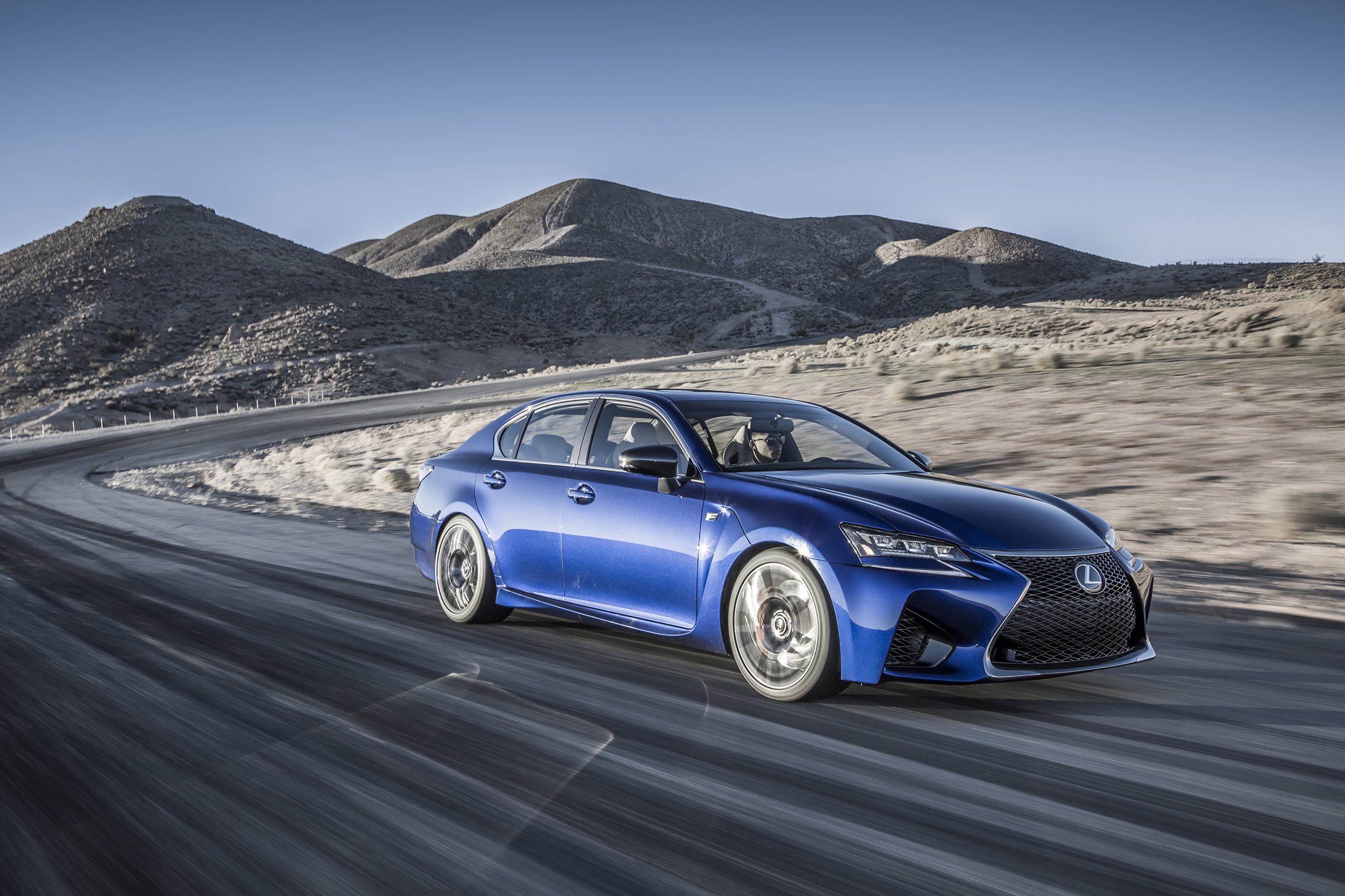
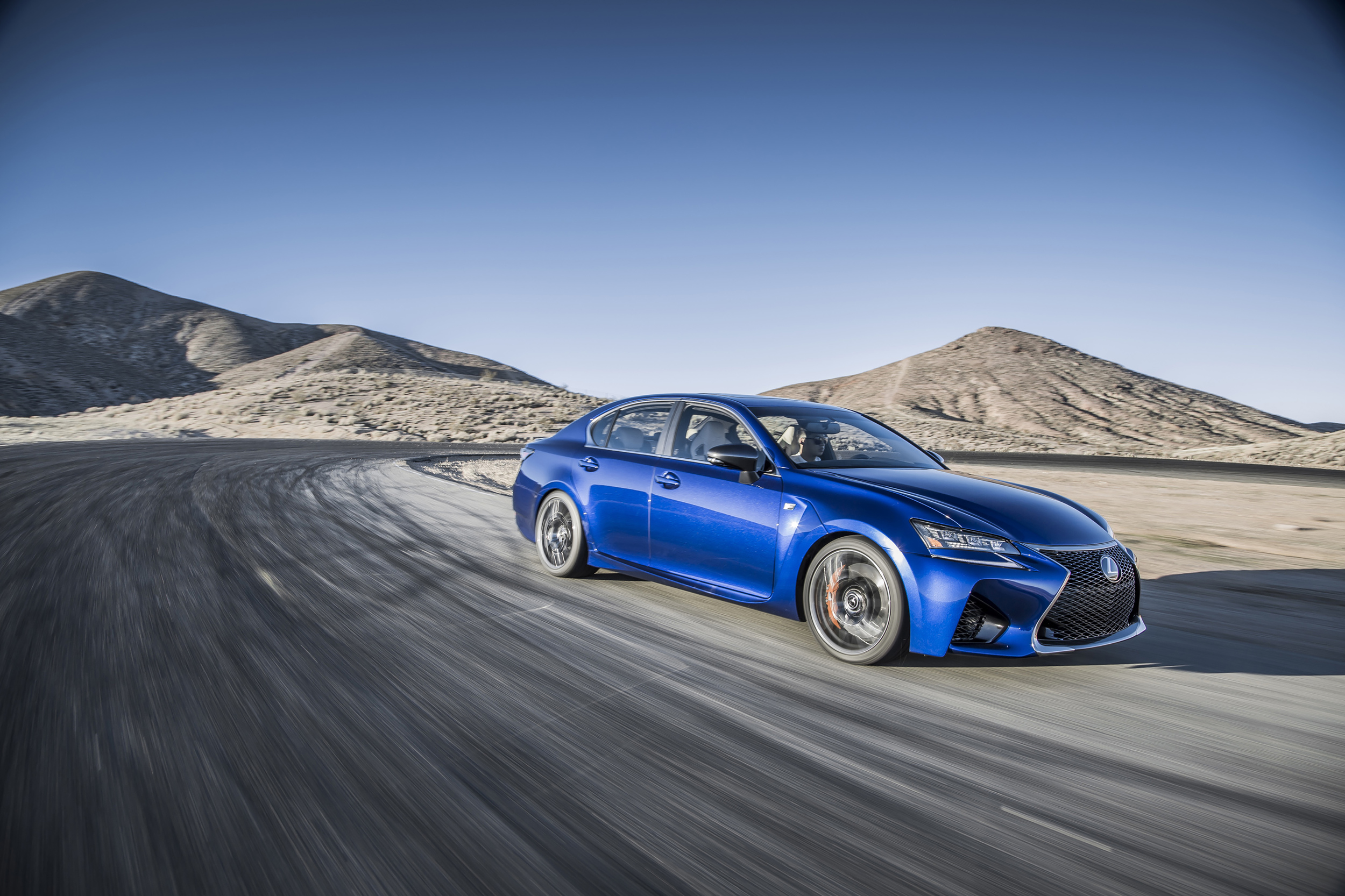
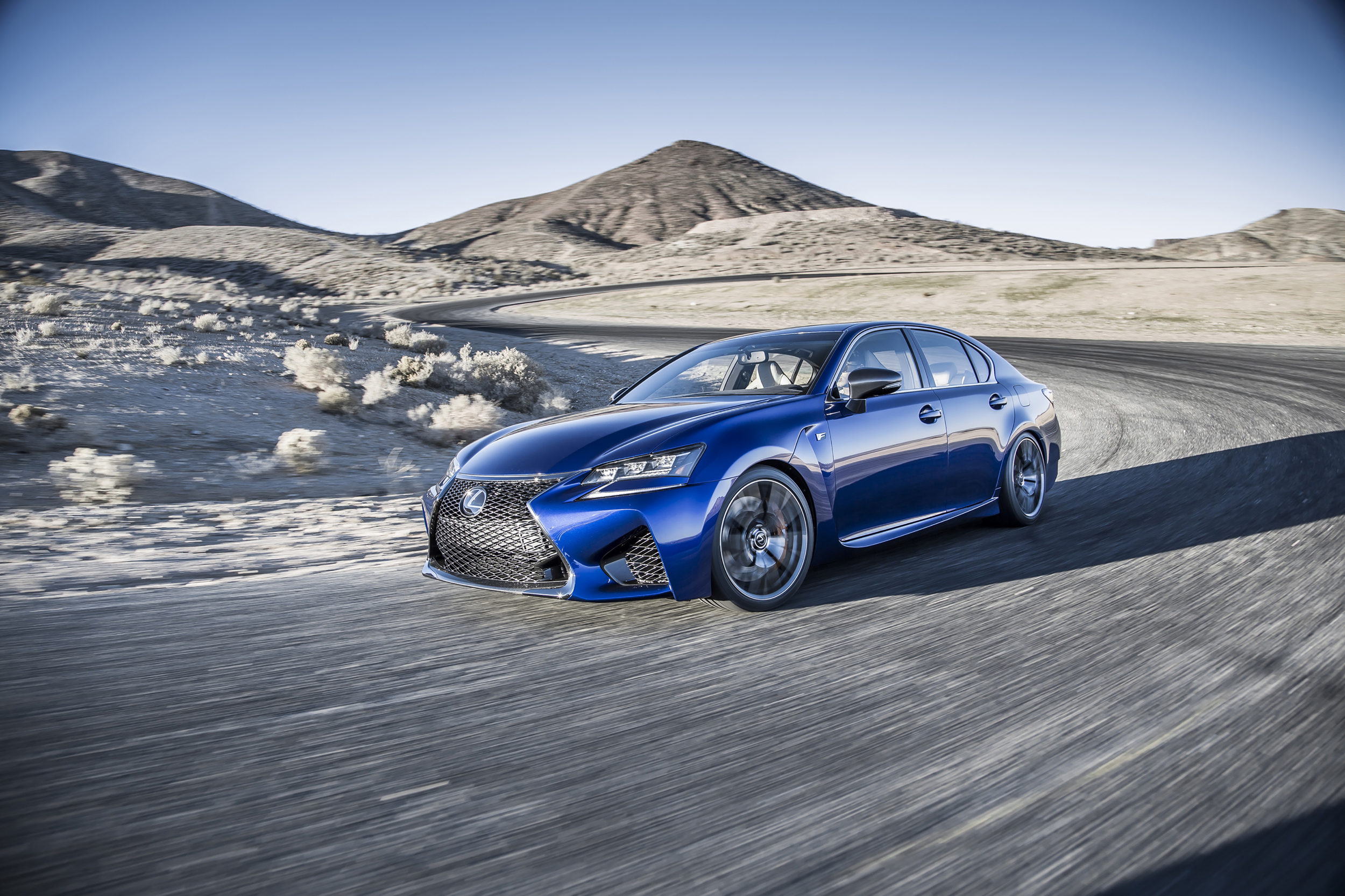
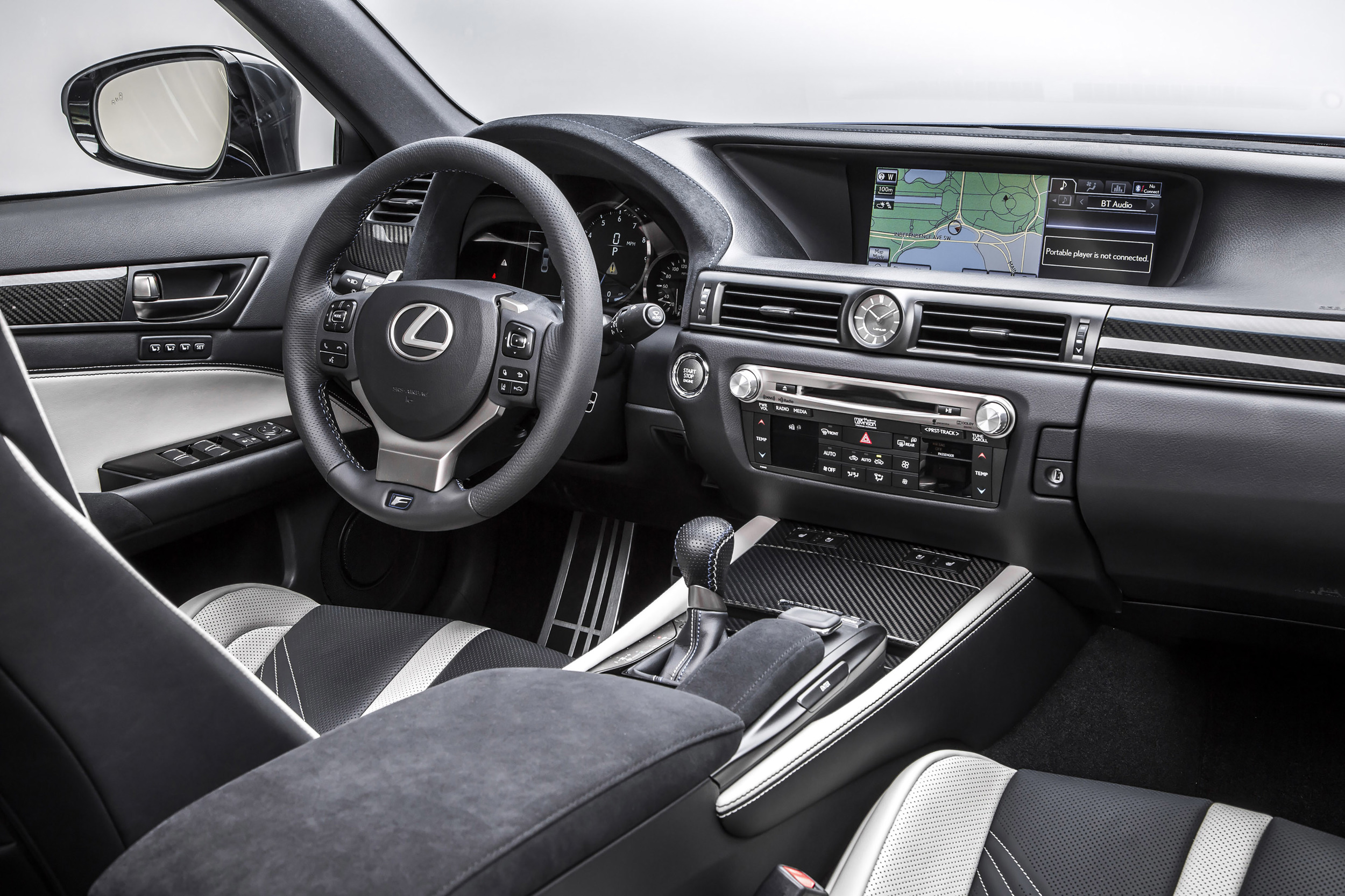
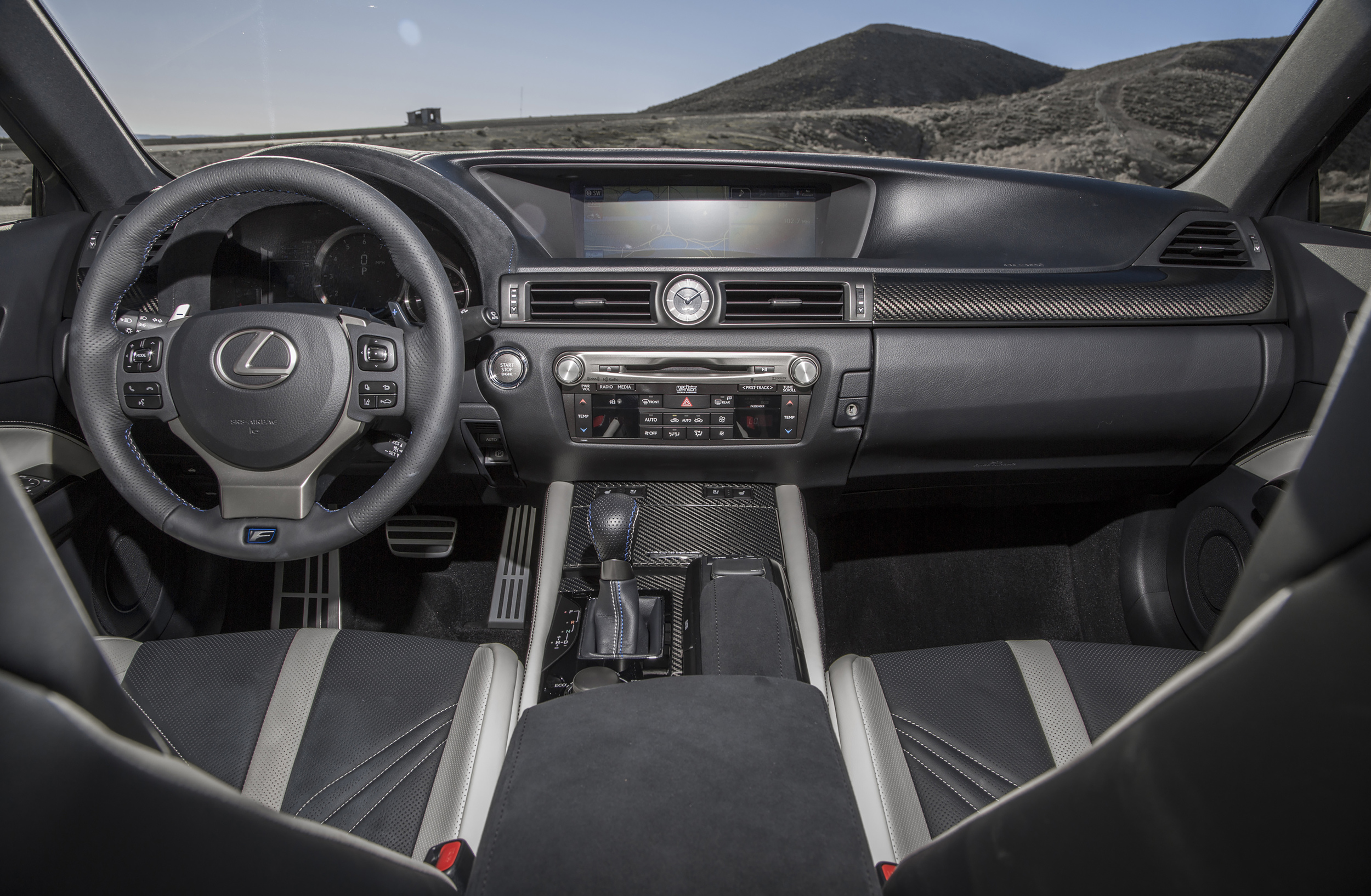
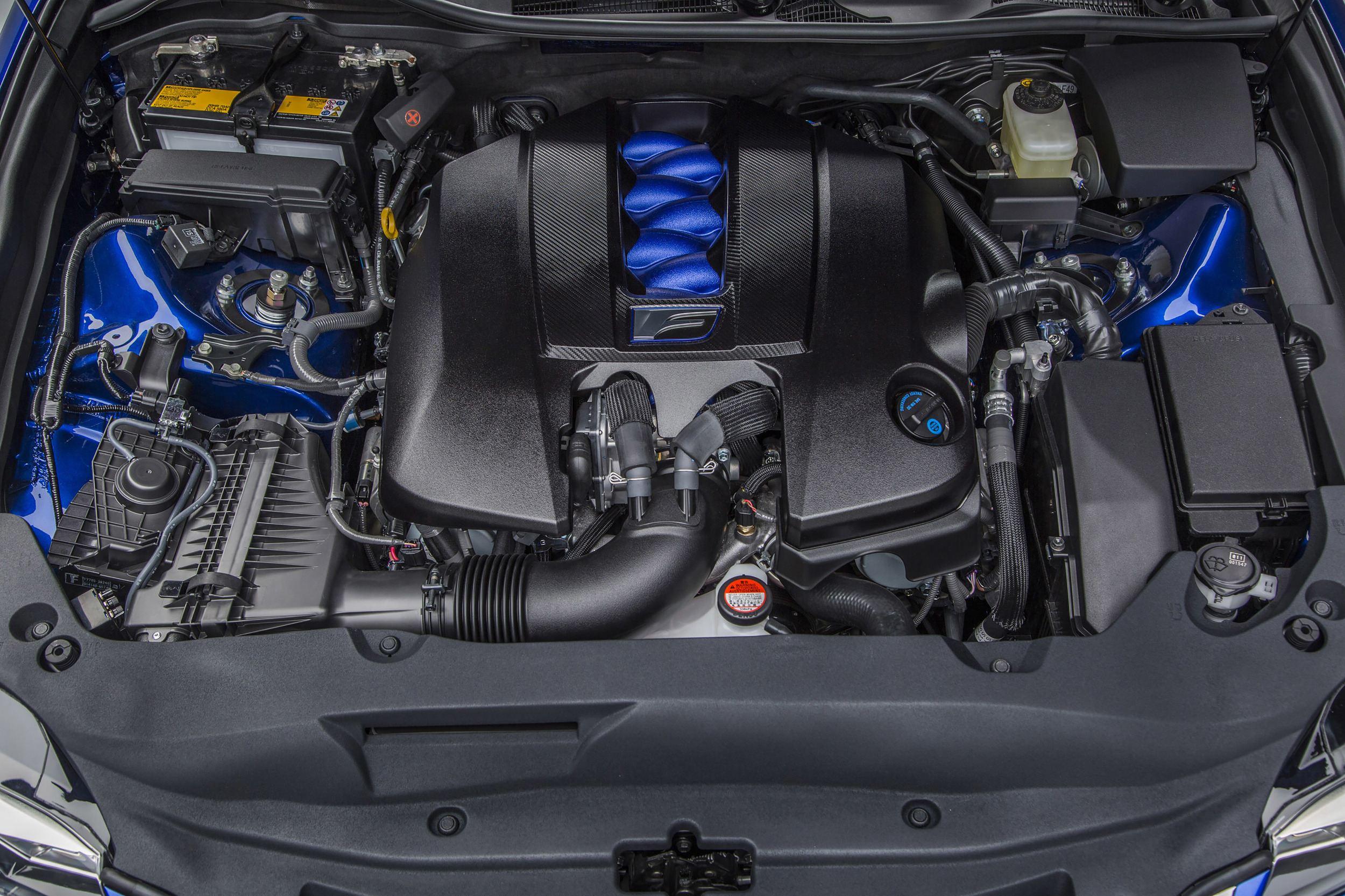
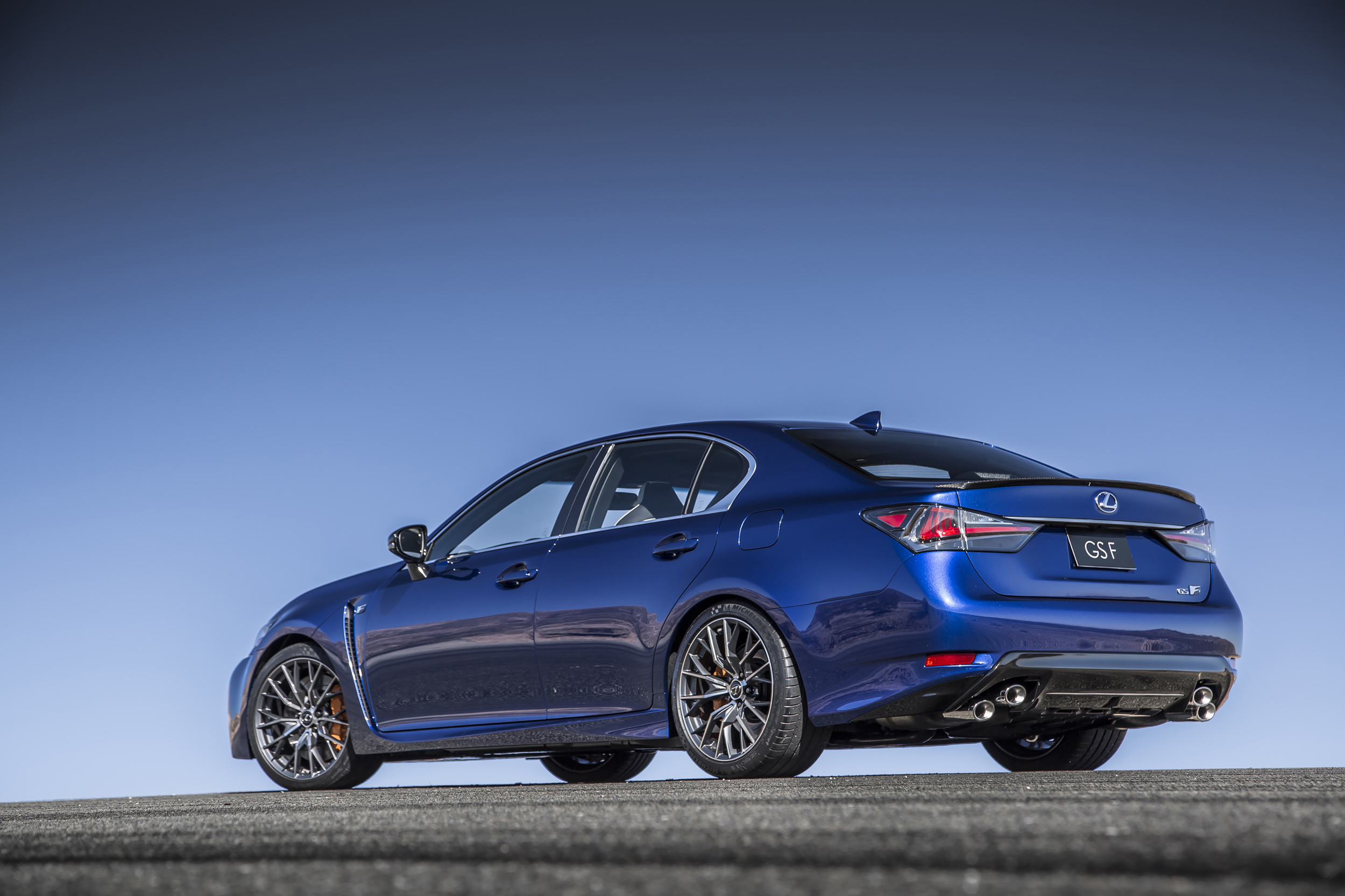
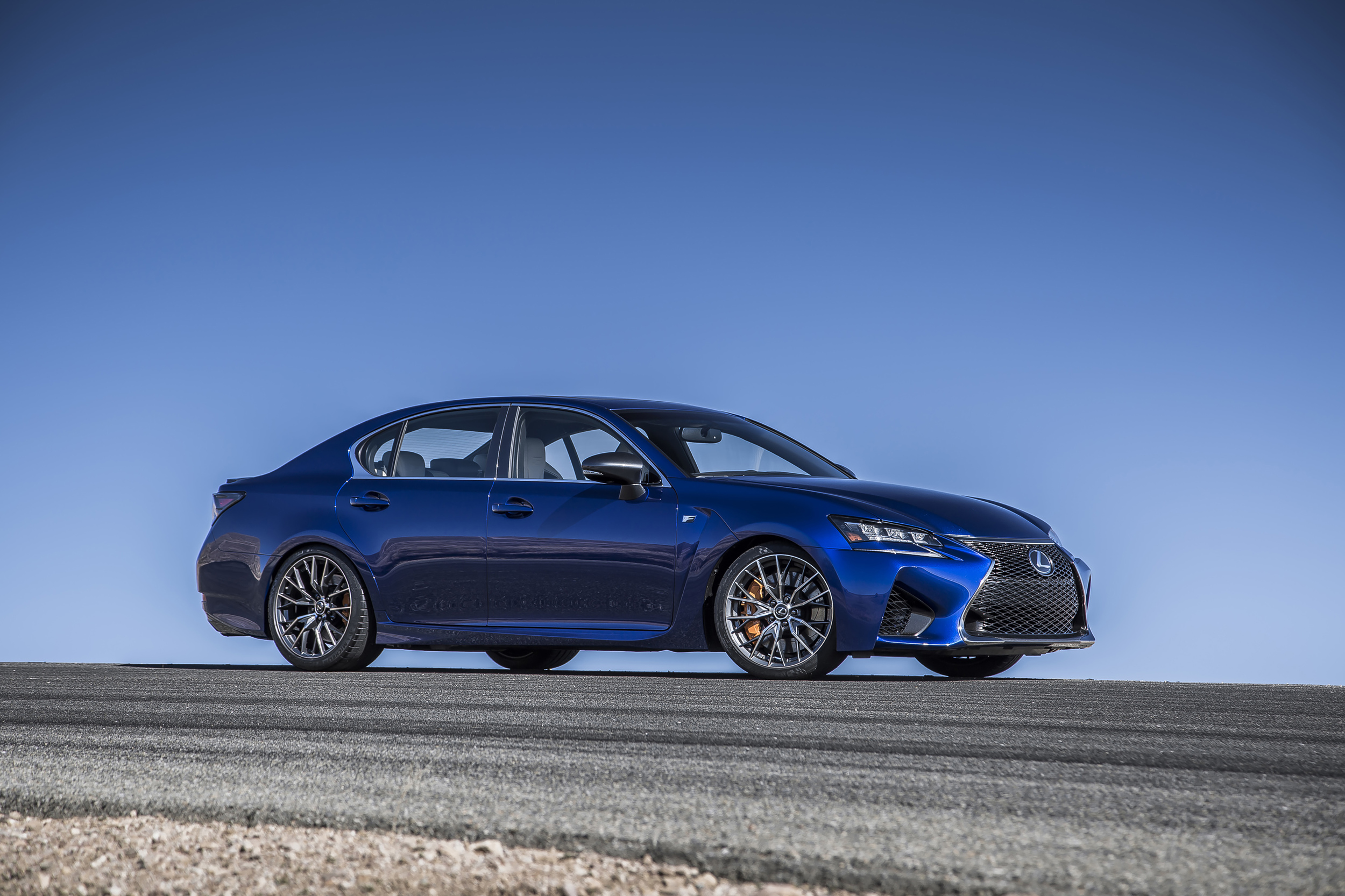
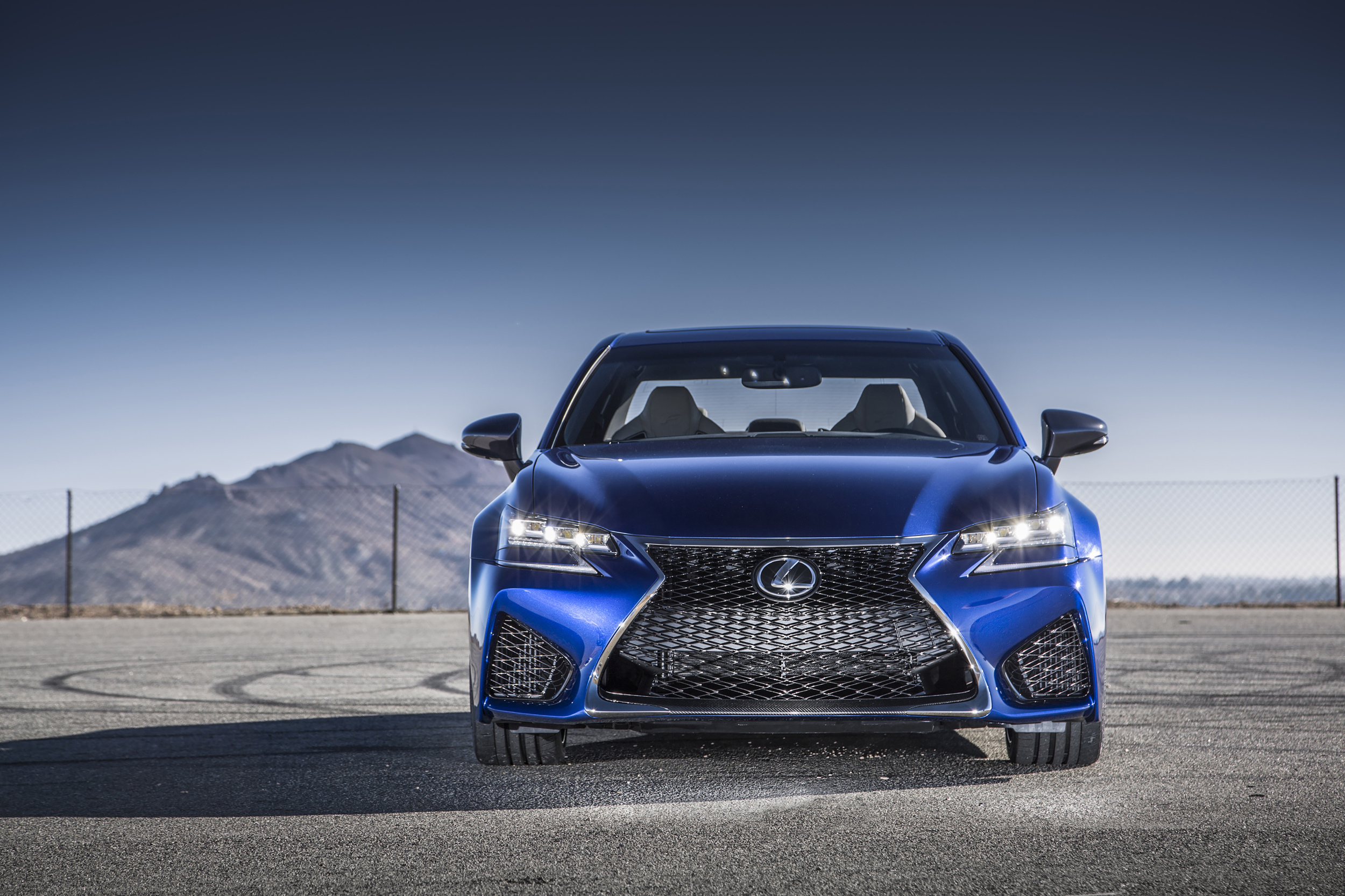
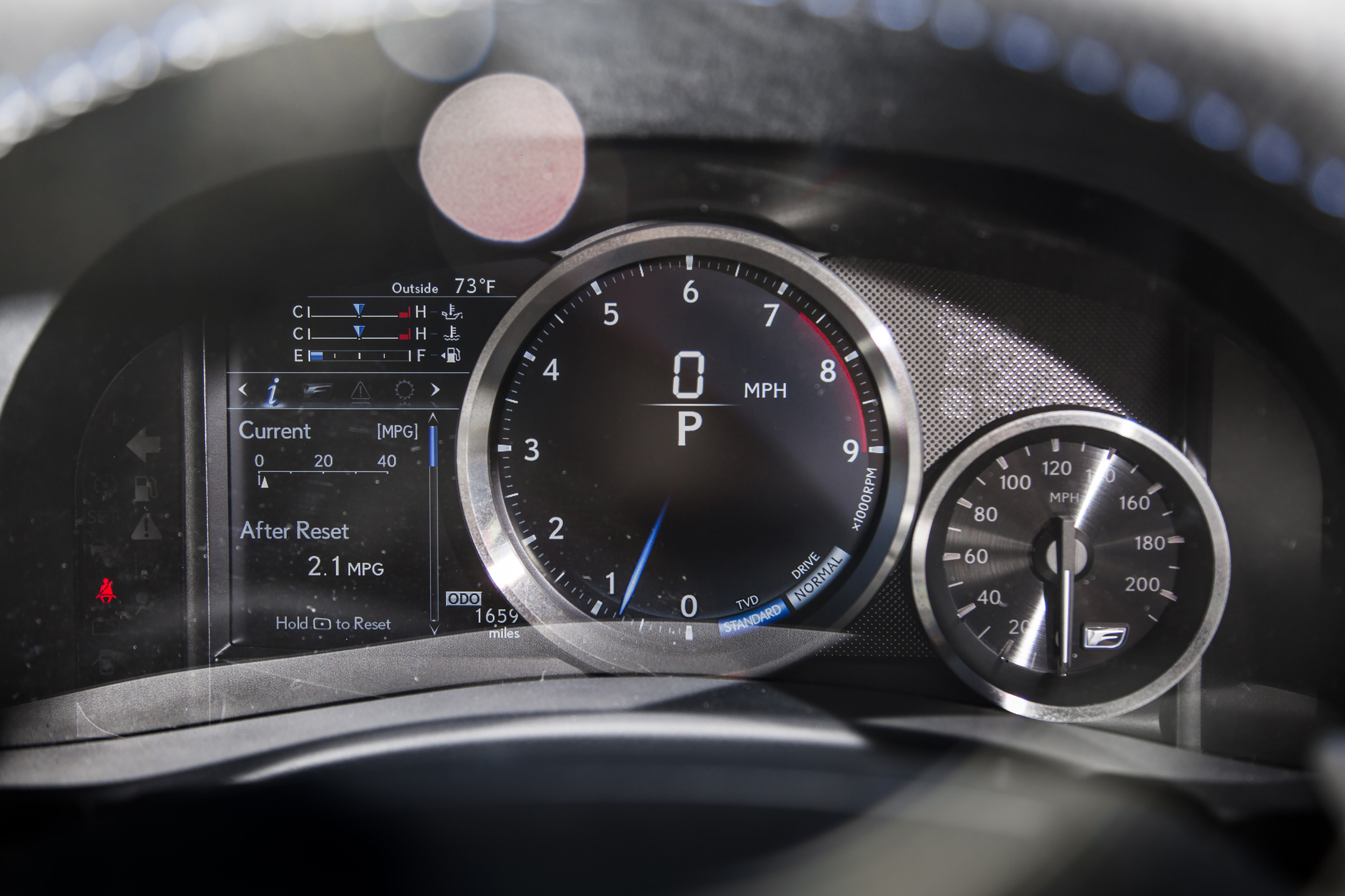
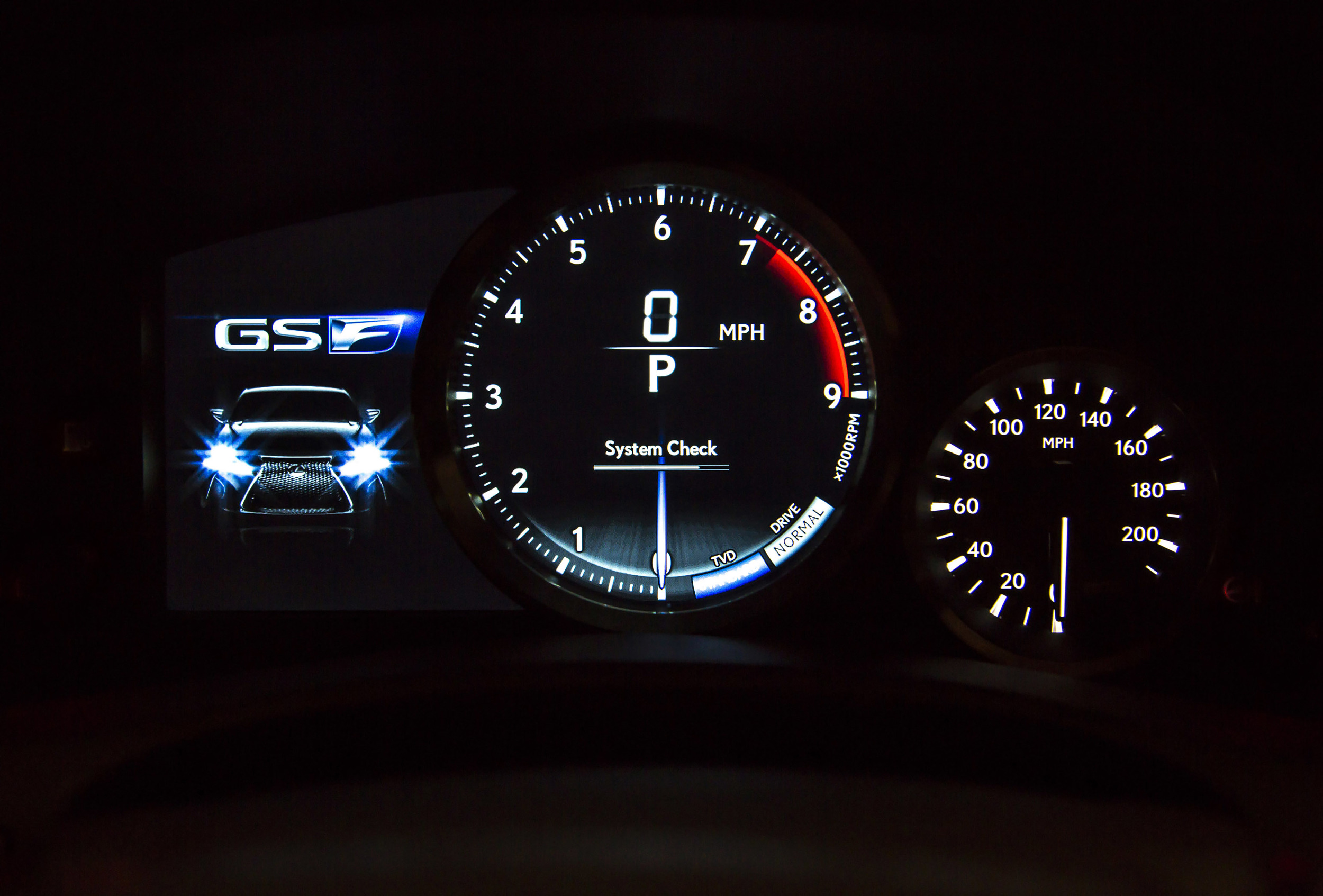
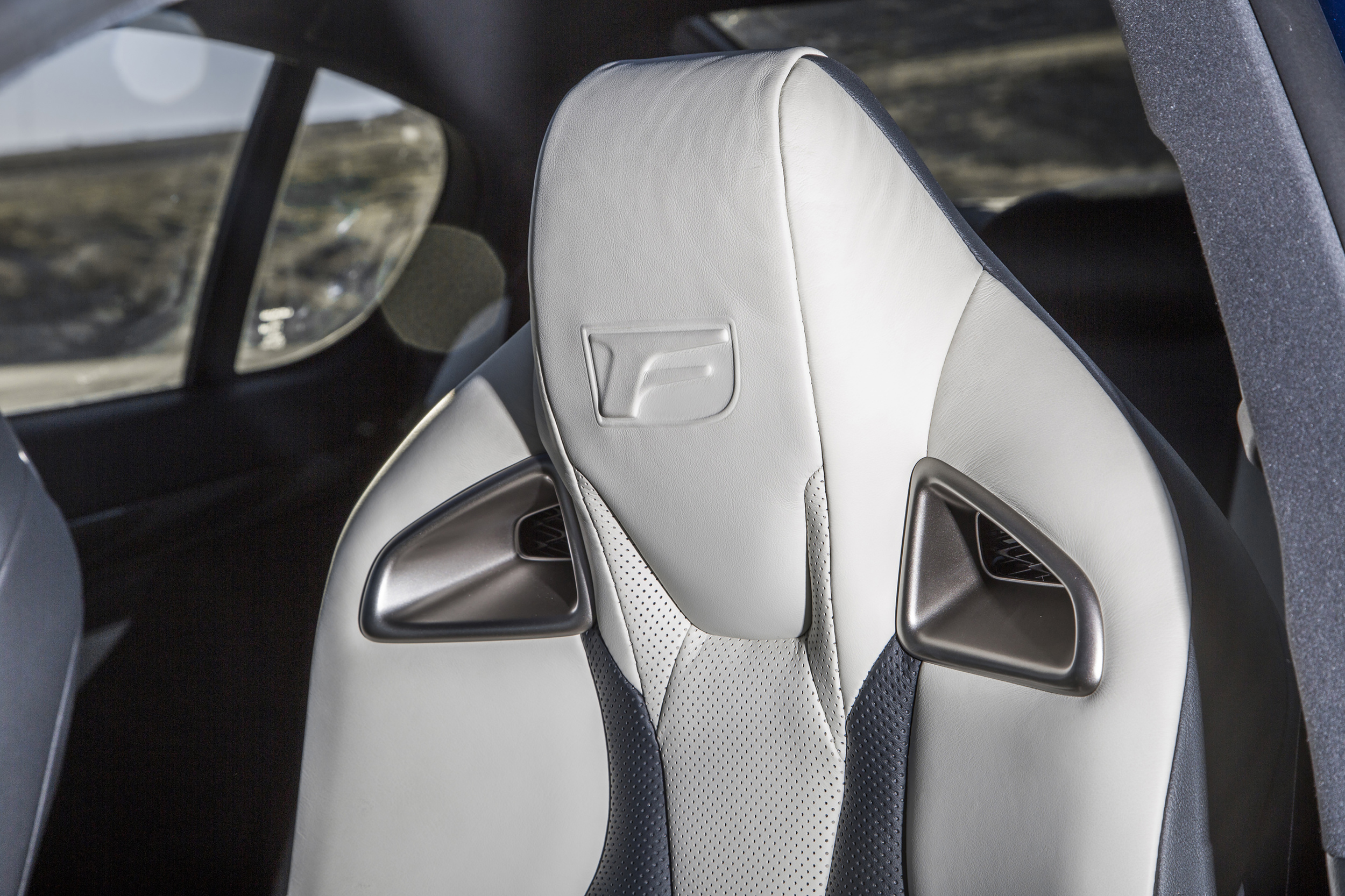
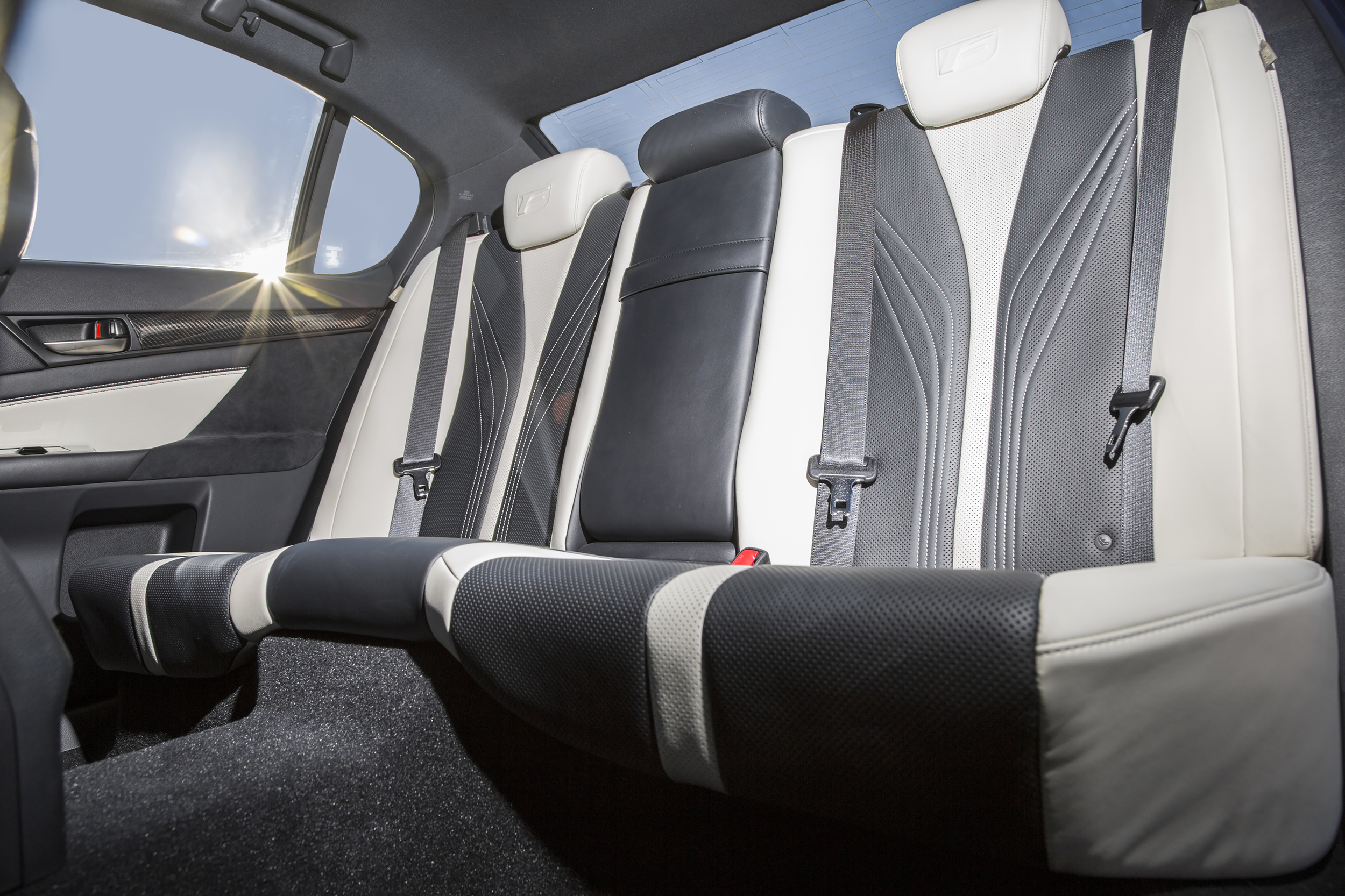
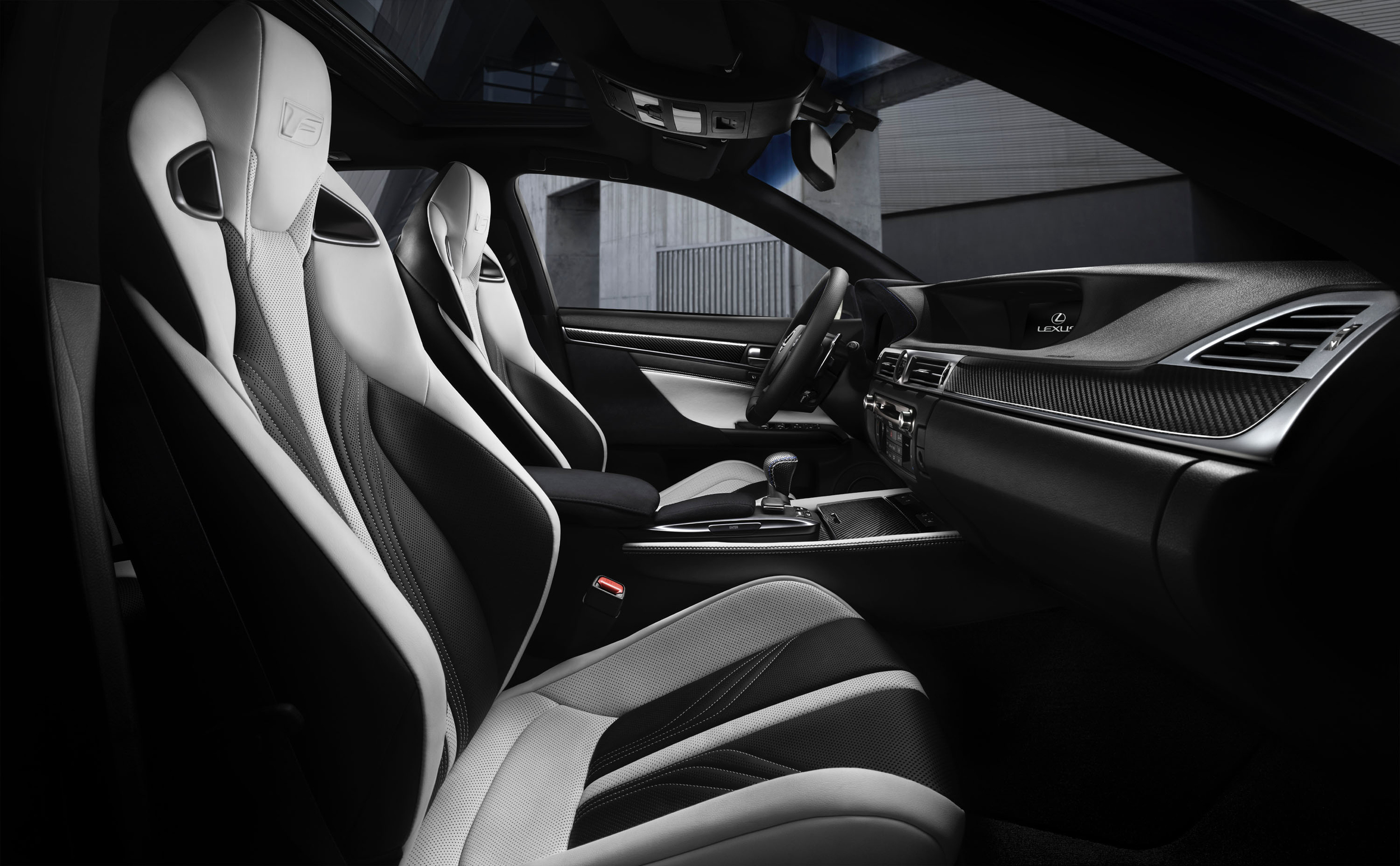
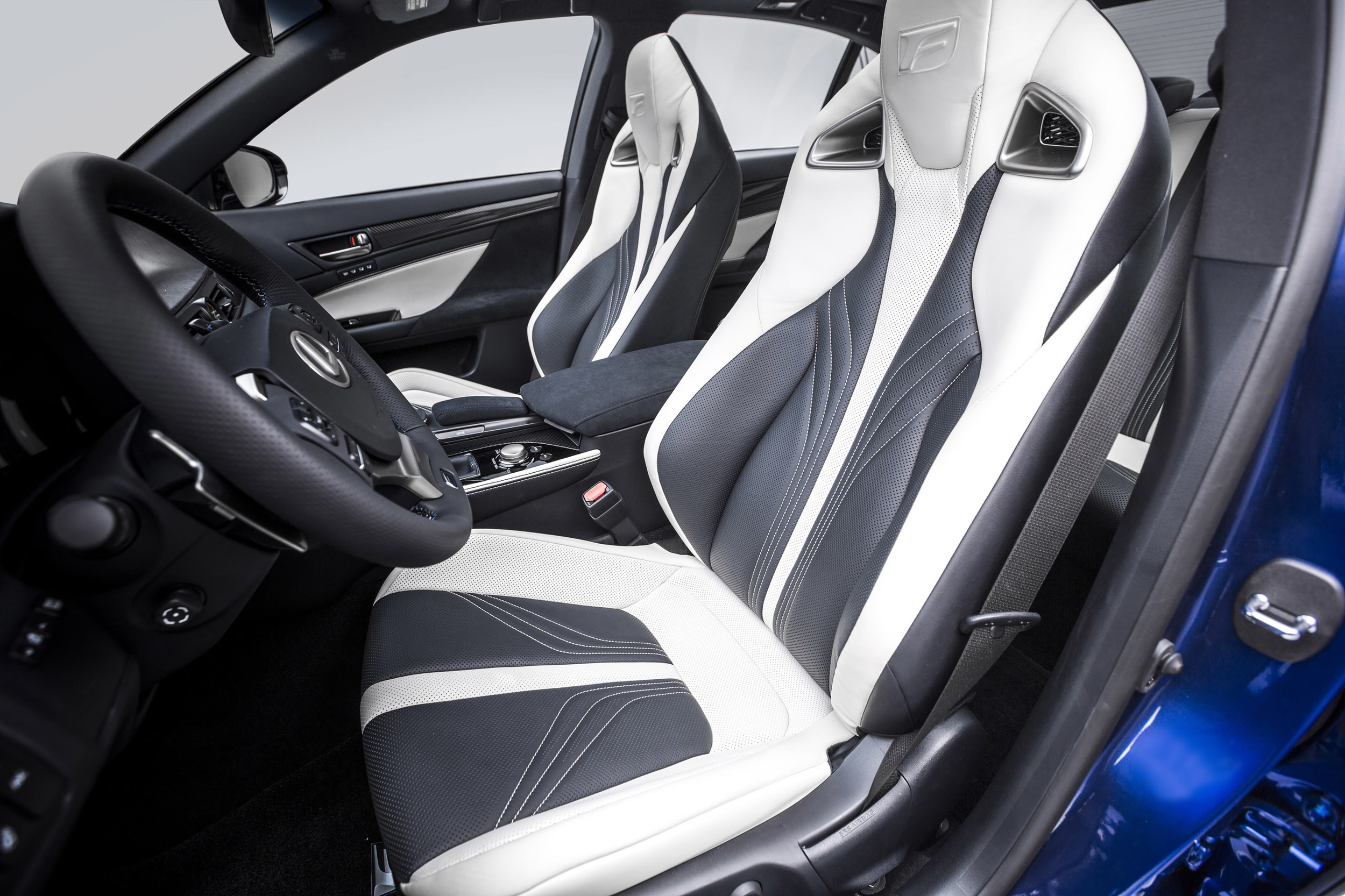
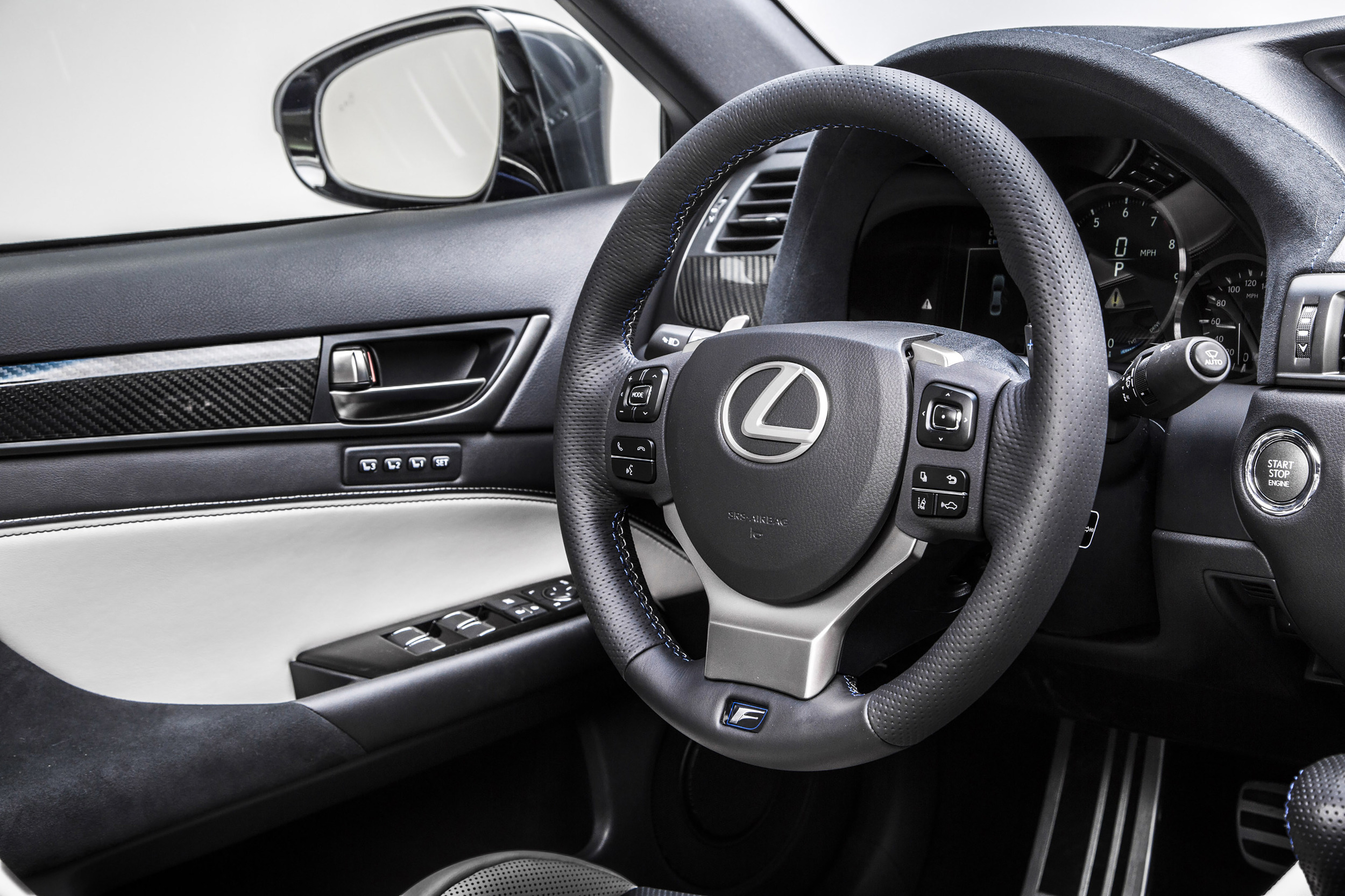
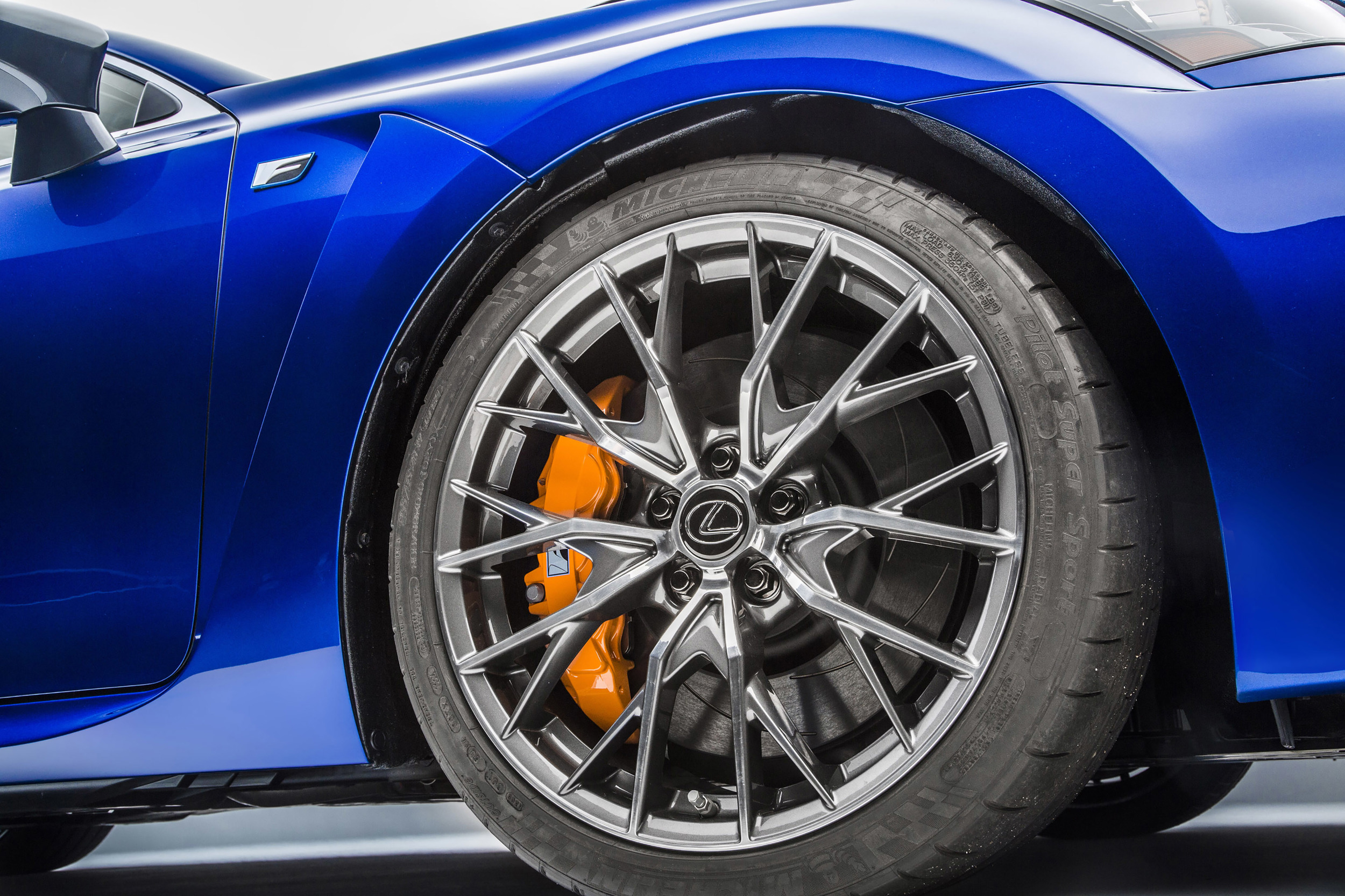
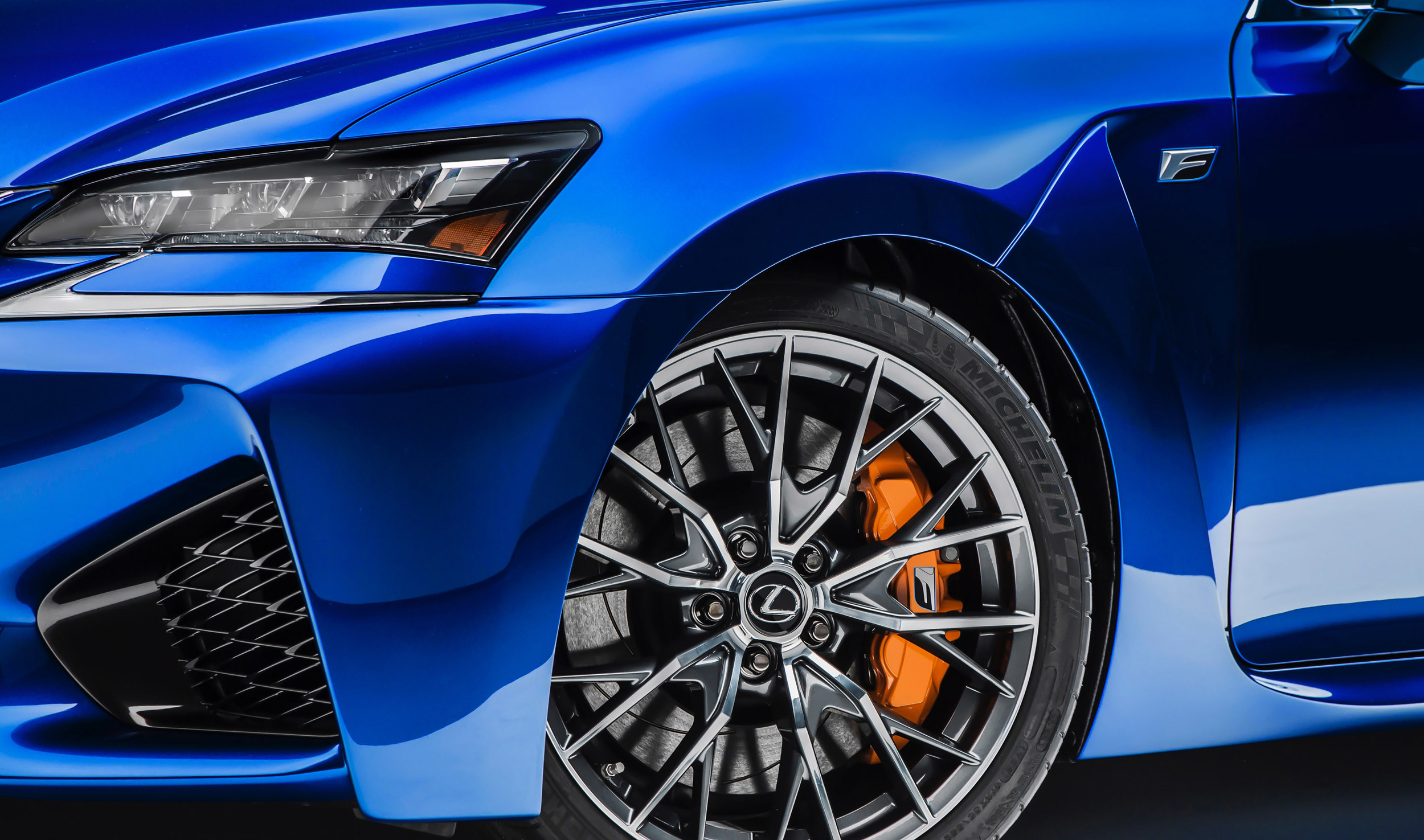
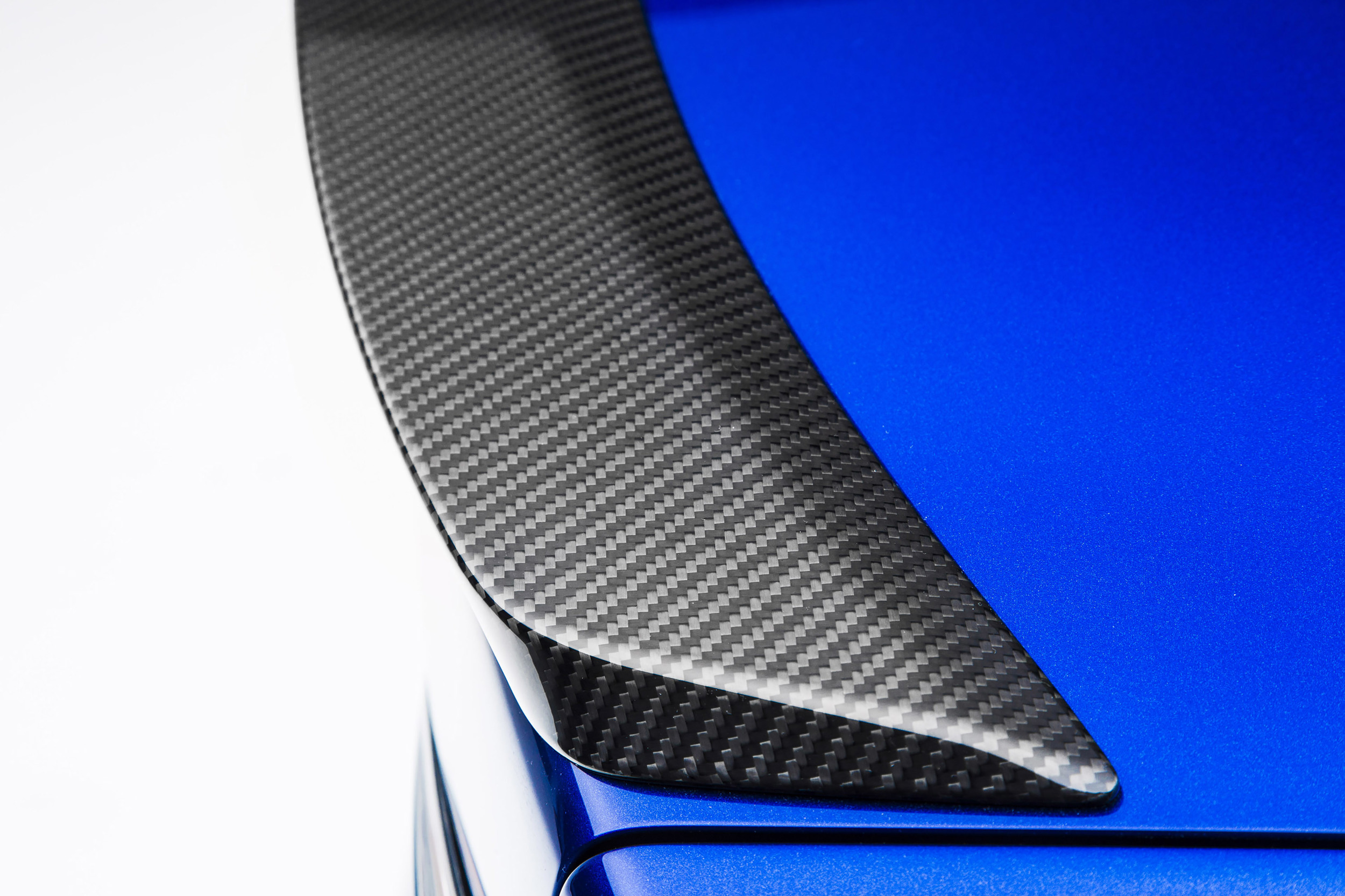
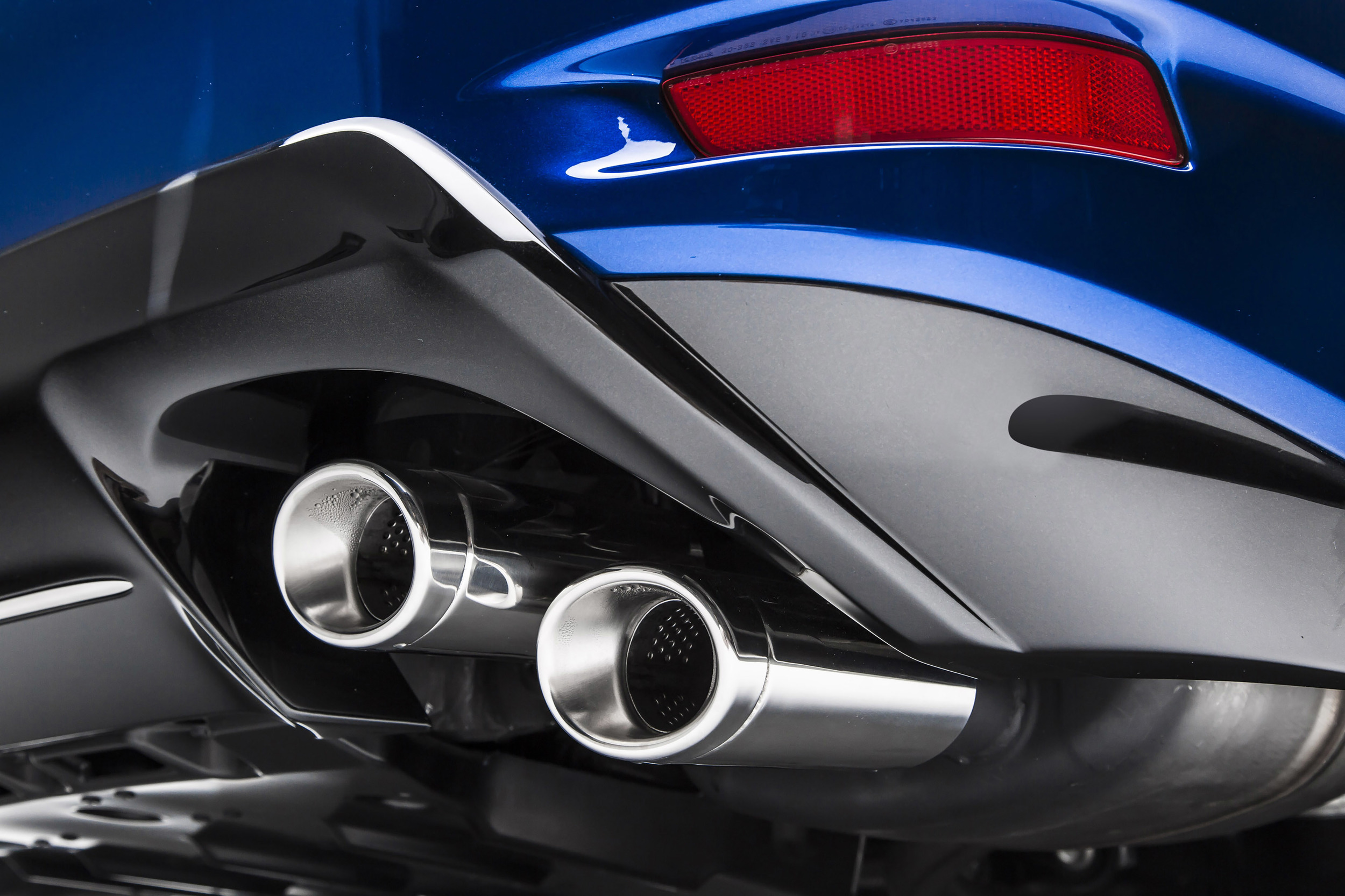
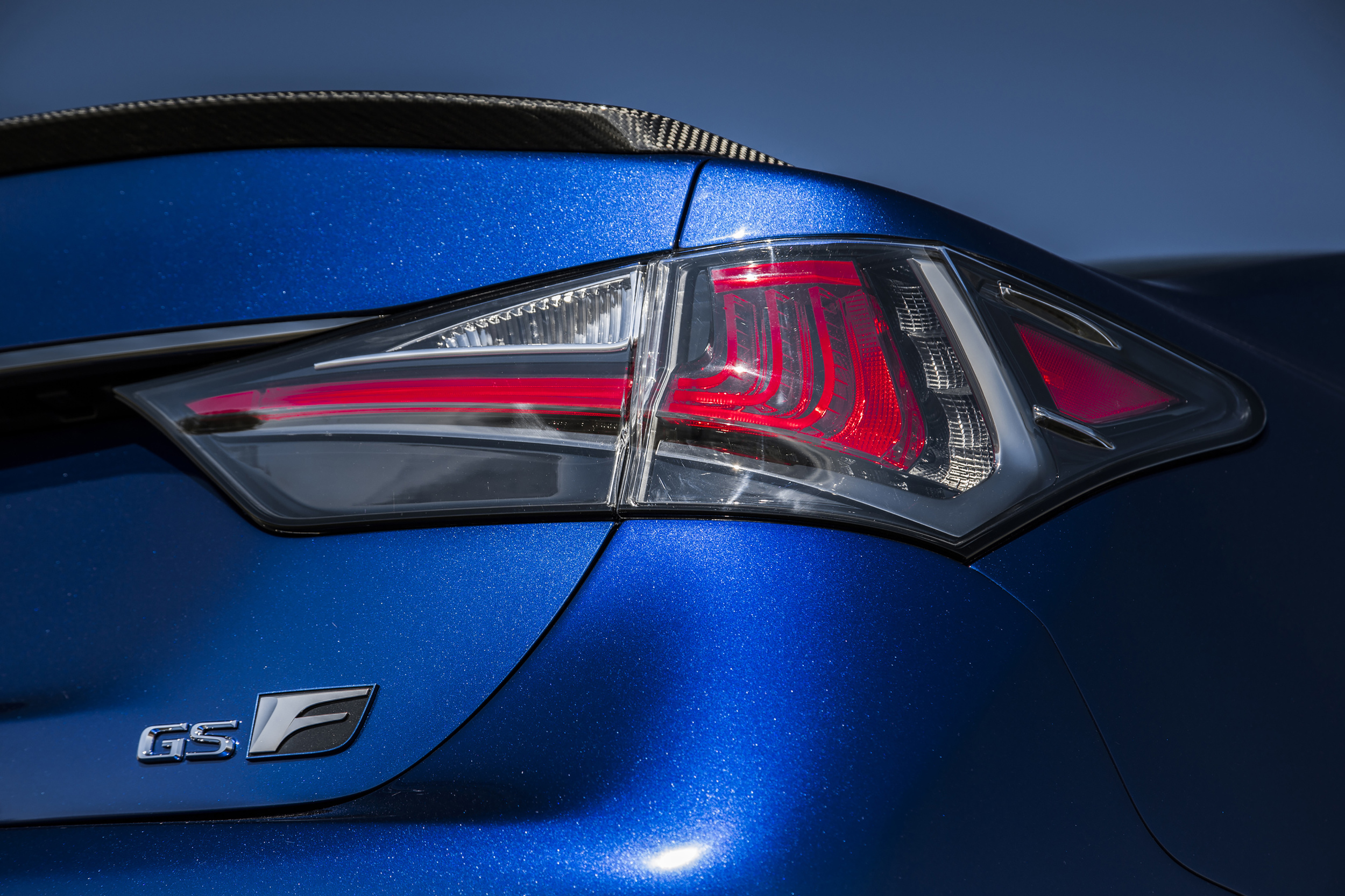
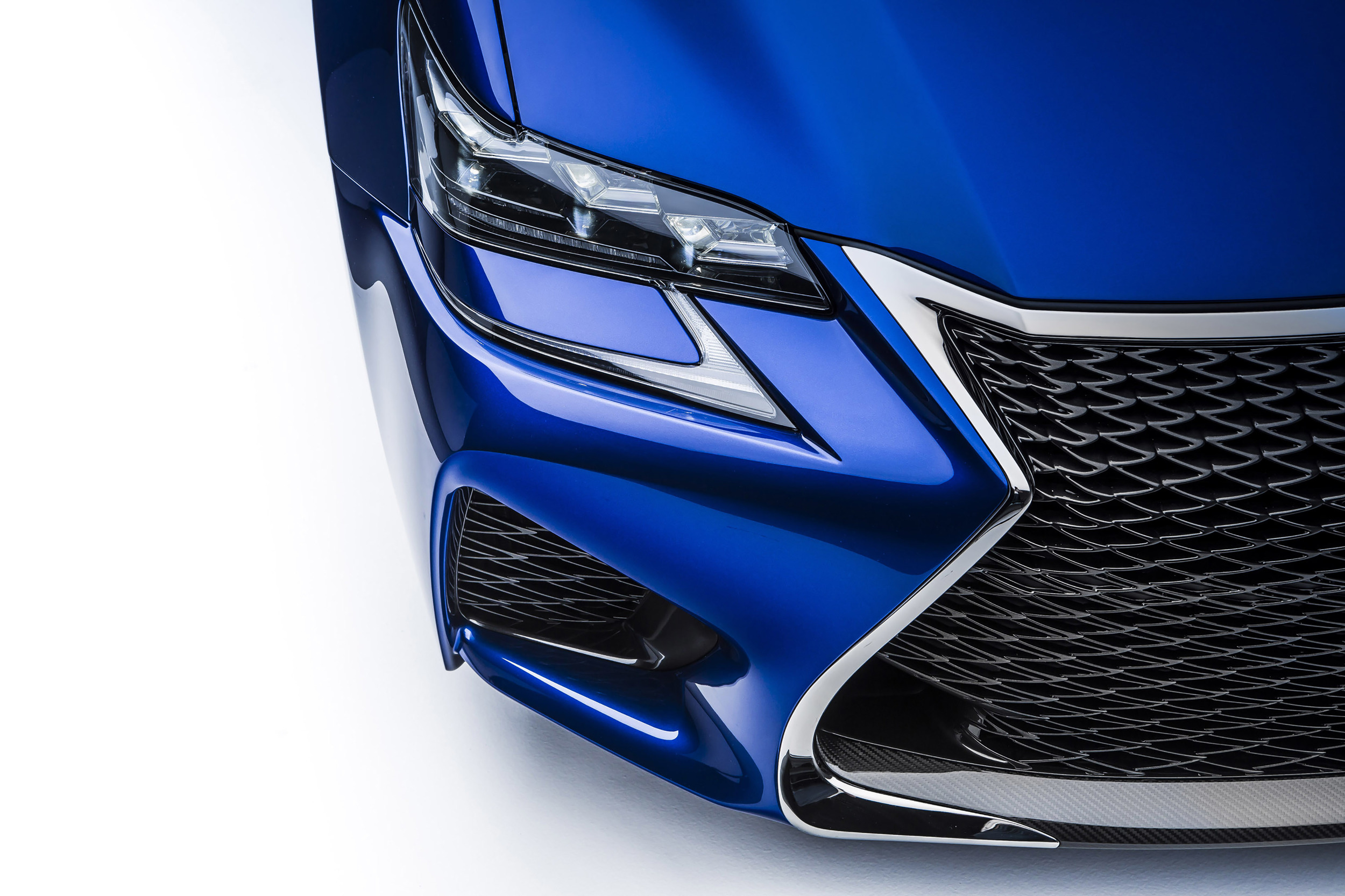
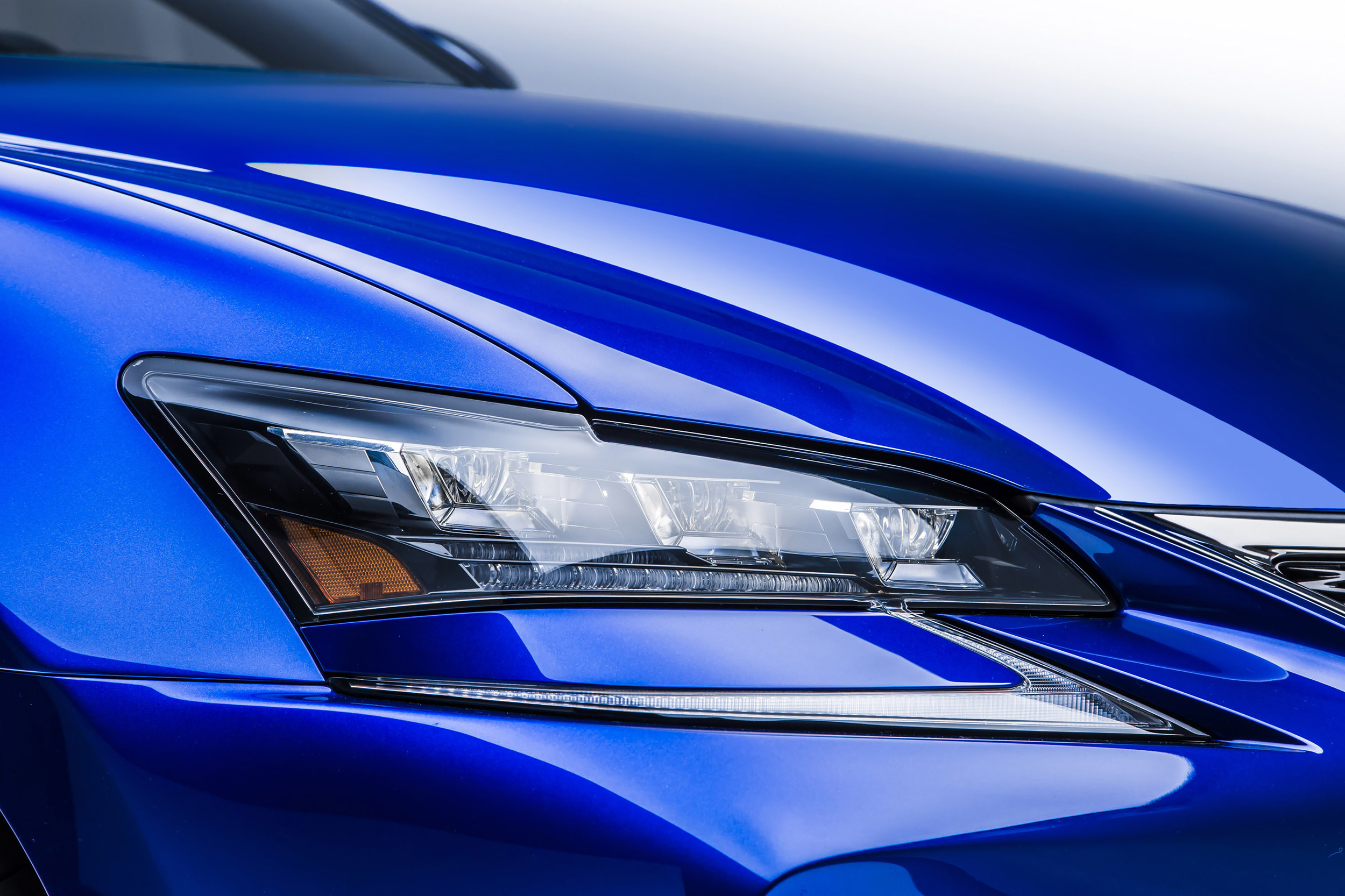
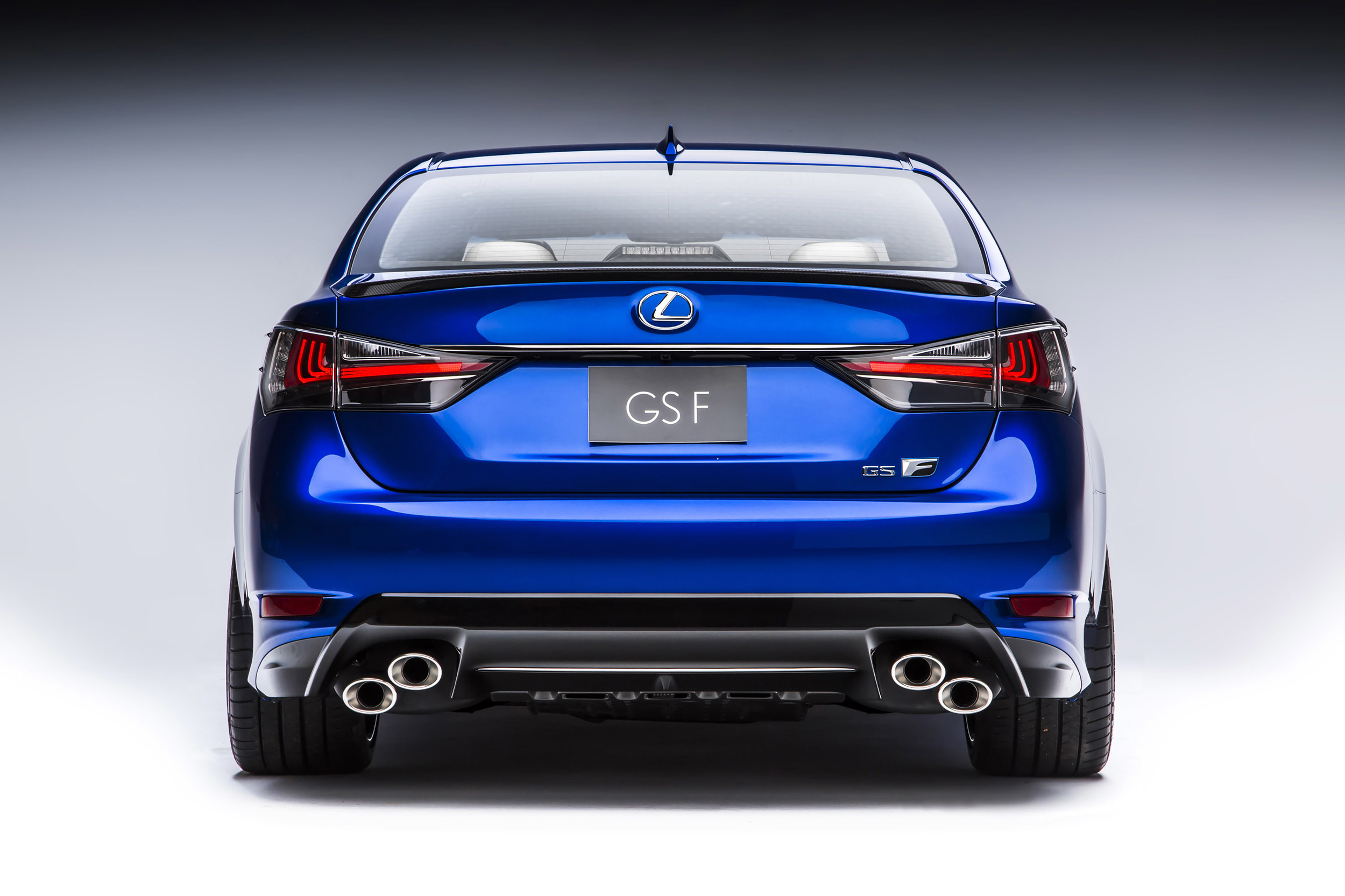
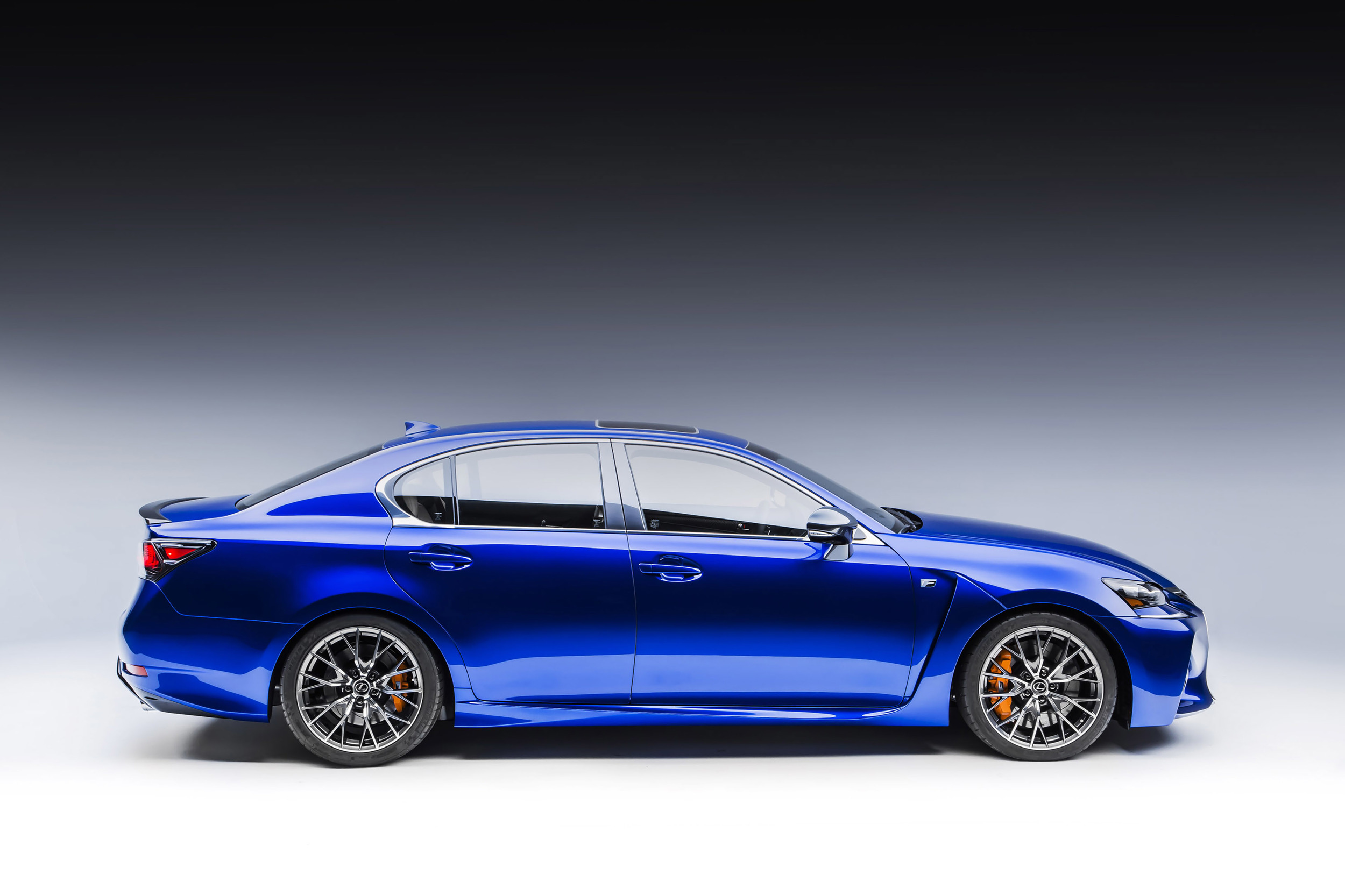
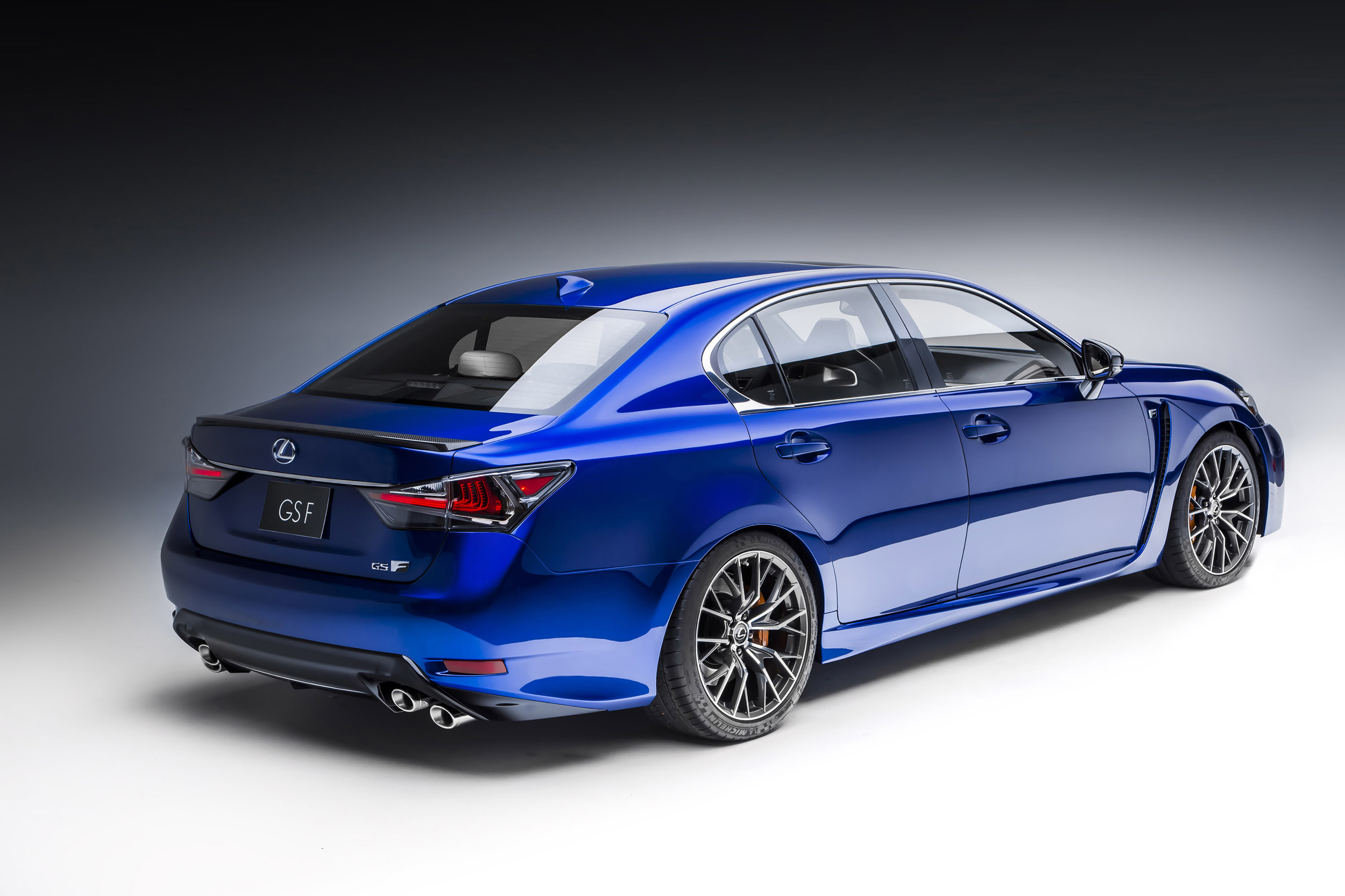
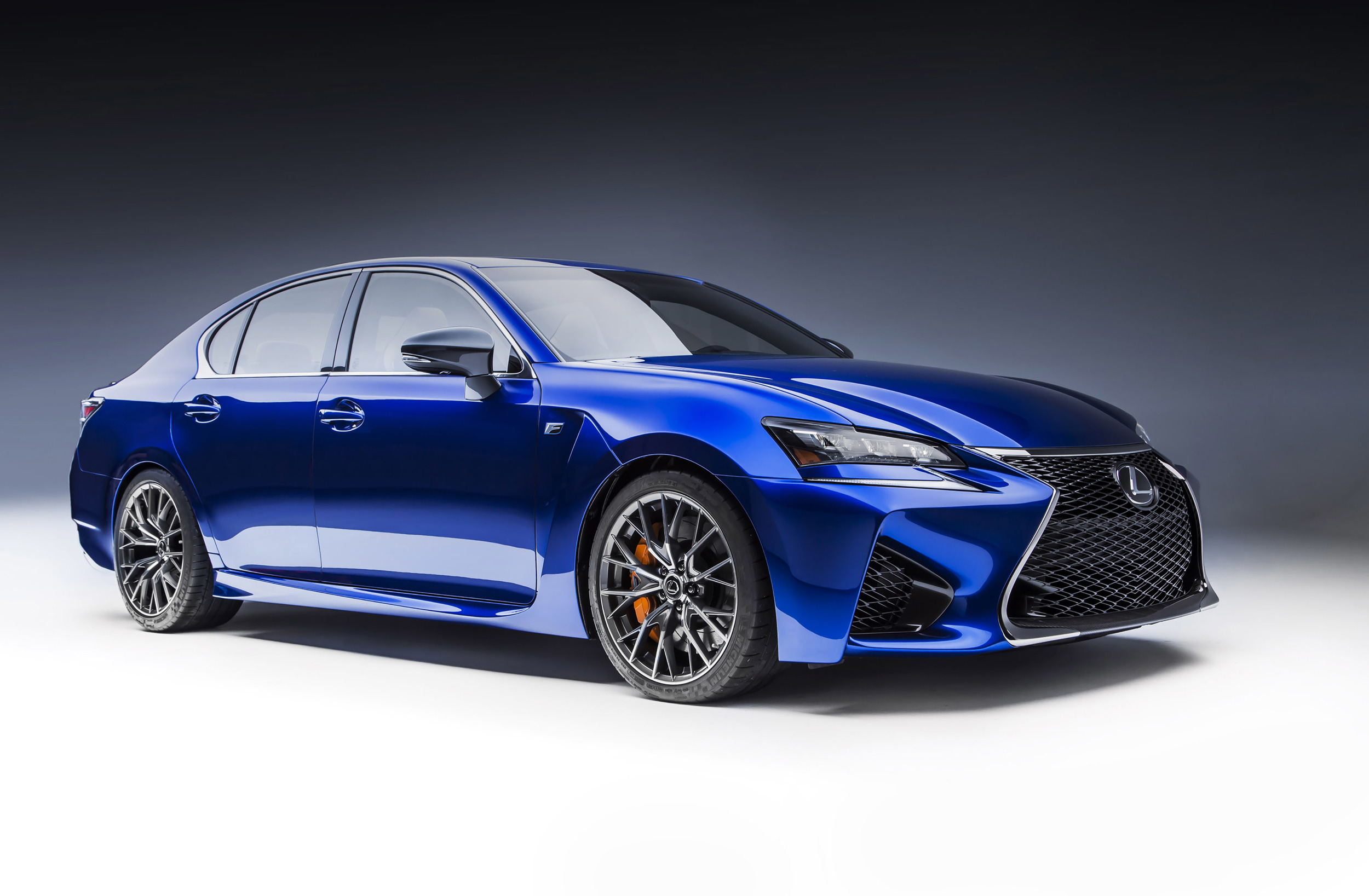
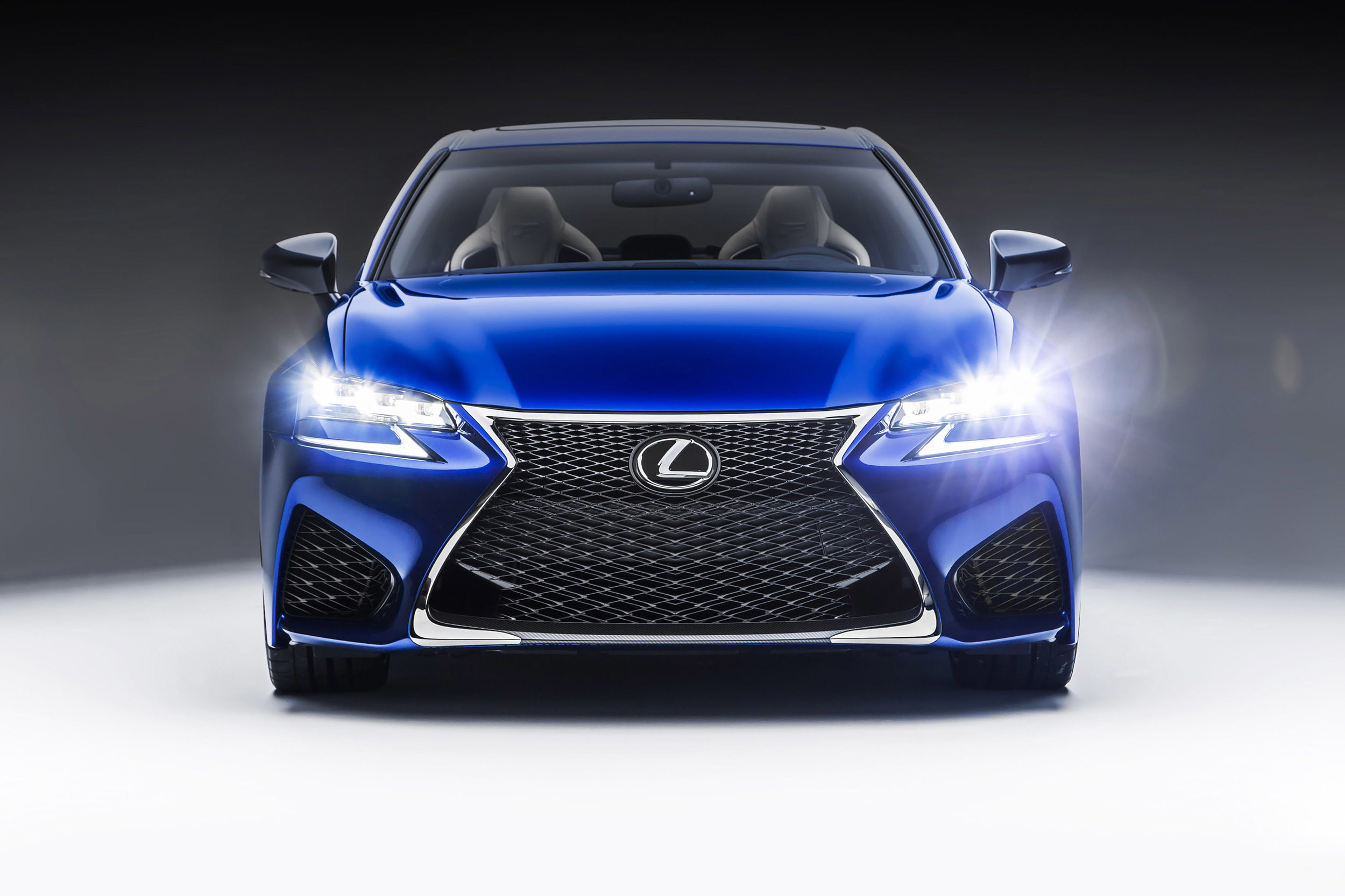
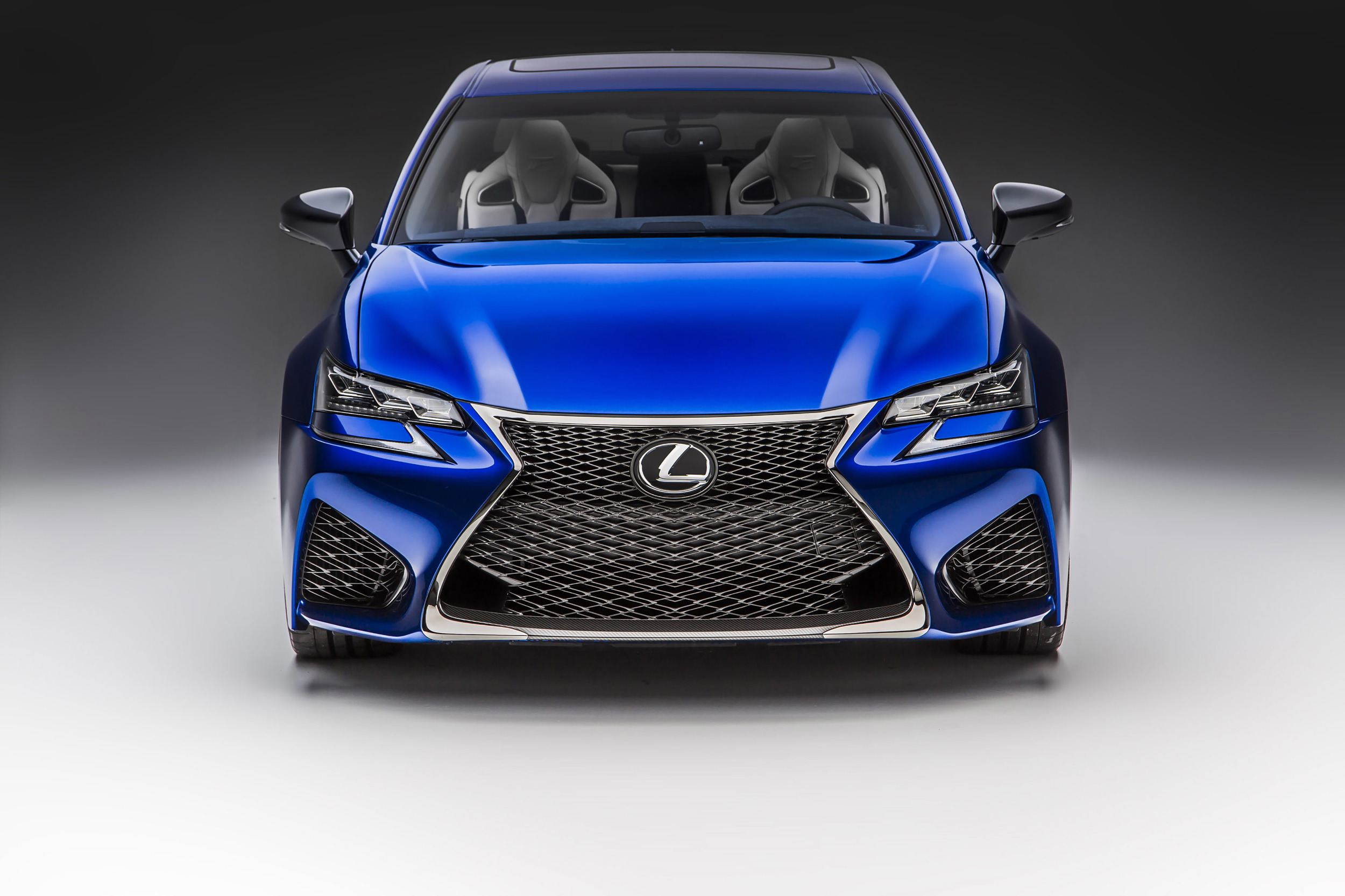
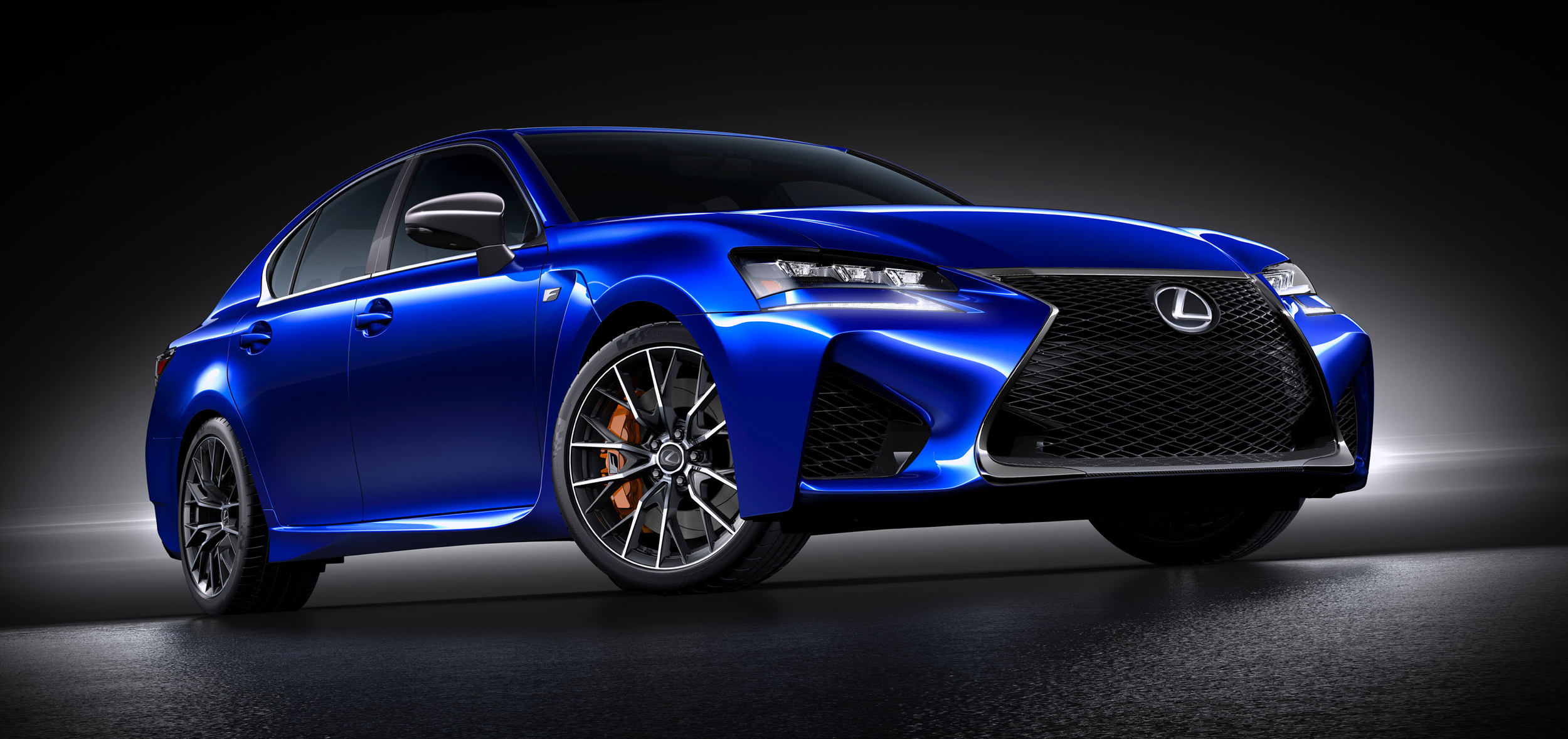
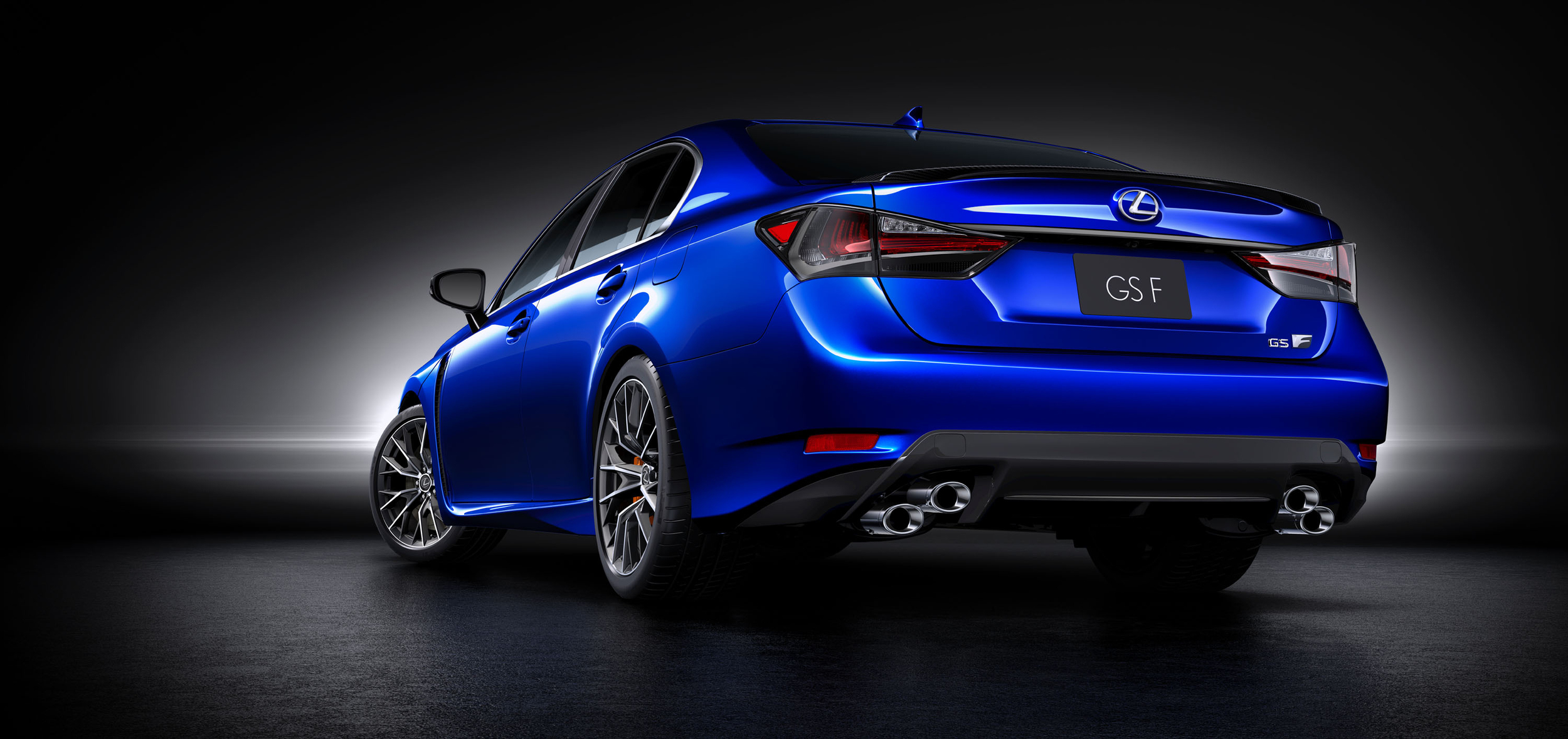
Lexus has finally (officially) debuted the new Lexus GS-F. Powered by a 5.0 V8, this new luxury performance sedan makes 467 HP, and weighs a relatively-lightweight 4,034 lbs – that’s 350 lbs lighter than the BMW M5 (F10), 100 lbs lighter than the Cadillac 640-HP CTS-V, and 400 lbs lighter than the Mercedes-Benz E63 AMG S 4Matic. If it was a 30-50HP difference, sure. But the GS-F is down 100 horses in some cases, and more in others. There’s not enough weight savings to make up that kind of deficit.
However, the lighter-weight approach by Lexus is interesting, and 4,034 lbs for a V8-powered, full-size luxury sedan is an impressive feat. But we are afraid that Lexus is a bit out-gunned when being compared to the 560-HP M5, or the 640-HP CTS-V. We were really hoping that Lexus would come out of the gates swinging. On the flipside, we do see this car directly competing with the likes of the BMW 550i and Cadillac CTS V-sport. To be honest, we wish Lexus would have stuffed the V10 from the LFA under the hood of this car. That would have gotten the attention of the performance car world. We like this car, and we like the direction that Lexus is heading, but 467 HP? C’mon Lexus.
Pricing has yet to be announced, but if this GS-F comes in significantly less than M5, E63, or CTS-V pricing, then we could see this developing a quite the following.
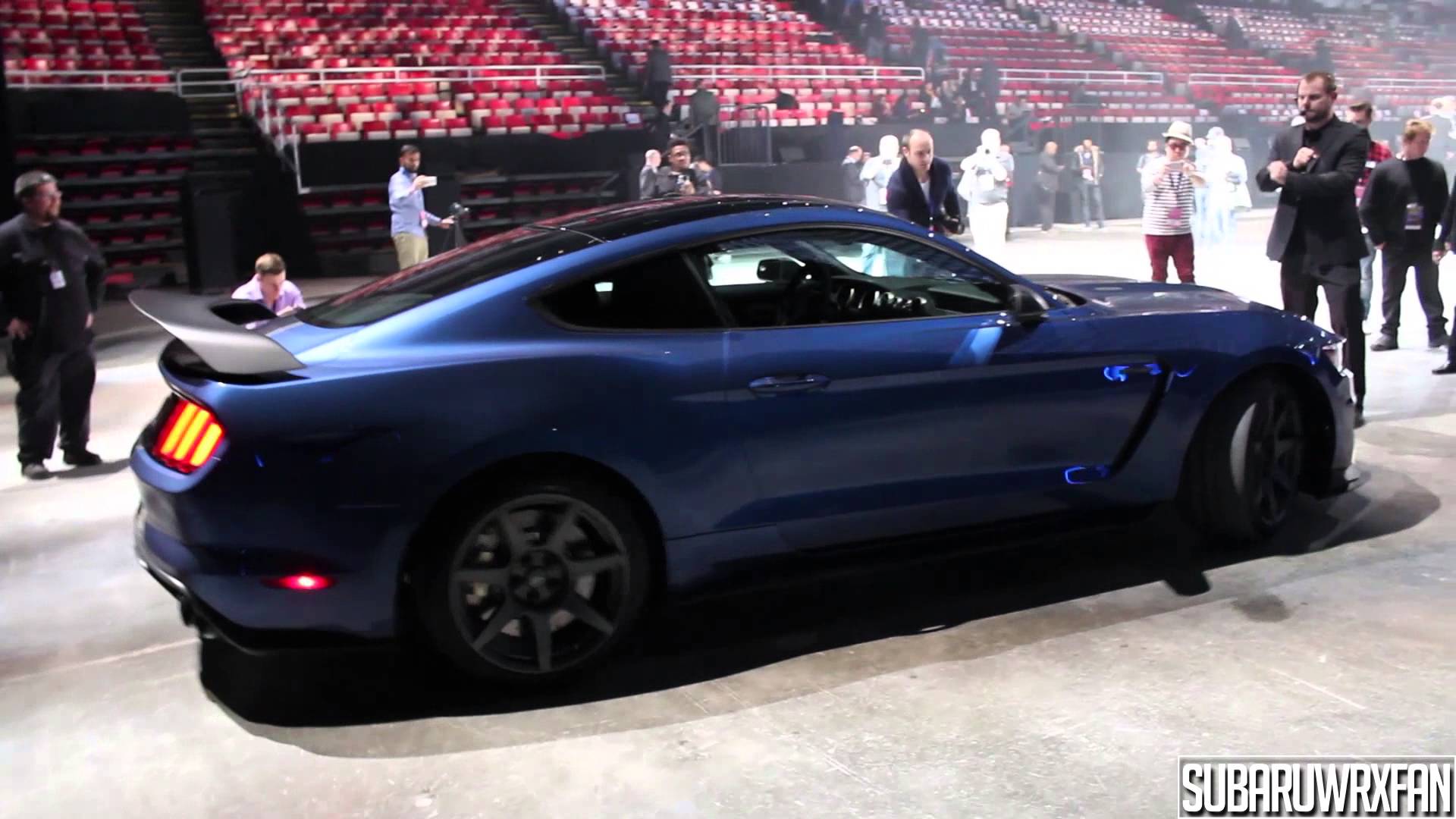
This new Shelby GT350R is the purebred track star that was developed with the Z/28 in mind. We feel like this car isn’t getting the attention it deserves considering Ford also announced the new 2017 SVT Raptor and new Ford GT Supercar on the same day at the NAIAS, but make no mistake about it – this new GT350R is the fastest production track car that Ford has ever produced, and we might only be days away from finding out what it actually ran at the Nurburgring. Until then, allow your ears to feast on the sound of that 5.2L Flat Plane Crank
That turbo whistle might just win us over, but probably not. Like many of you, we are sick that Ford opted not to run a V8 in this otherwise beautiful Ford GT. But as we all well know, the future is here and smaller displacement, more ‘eco’ friendly motors are the way of the future.
We don’t doubt for one second that this new Ford supercar will be a performer, and we are still very excited for this car, despite the lack of those all important 2 cylinder. We just have a preconceived notion of the heart and soul of the Ford GT always being a V8, but times are a changin’. Afterall, we look at the new Porsche 918 Hybrid and the McLaren P1, and both are powered by hybrid V8’s.
Regardless, this car does sound amazing, and we can’t wait to hear it at full song. But this should tide us over, for now.
Scroll down the page for more images and video of the 2017 Raptor
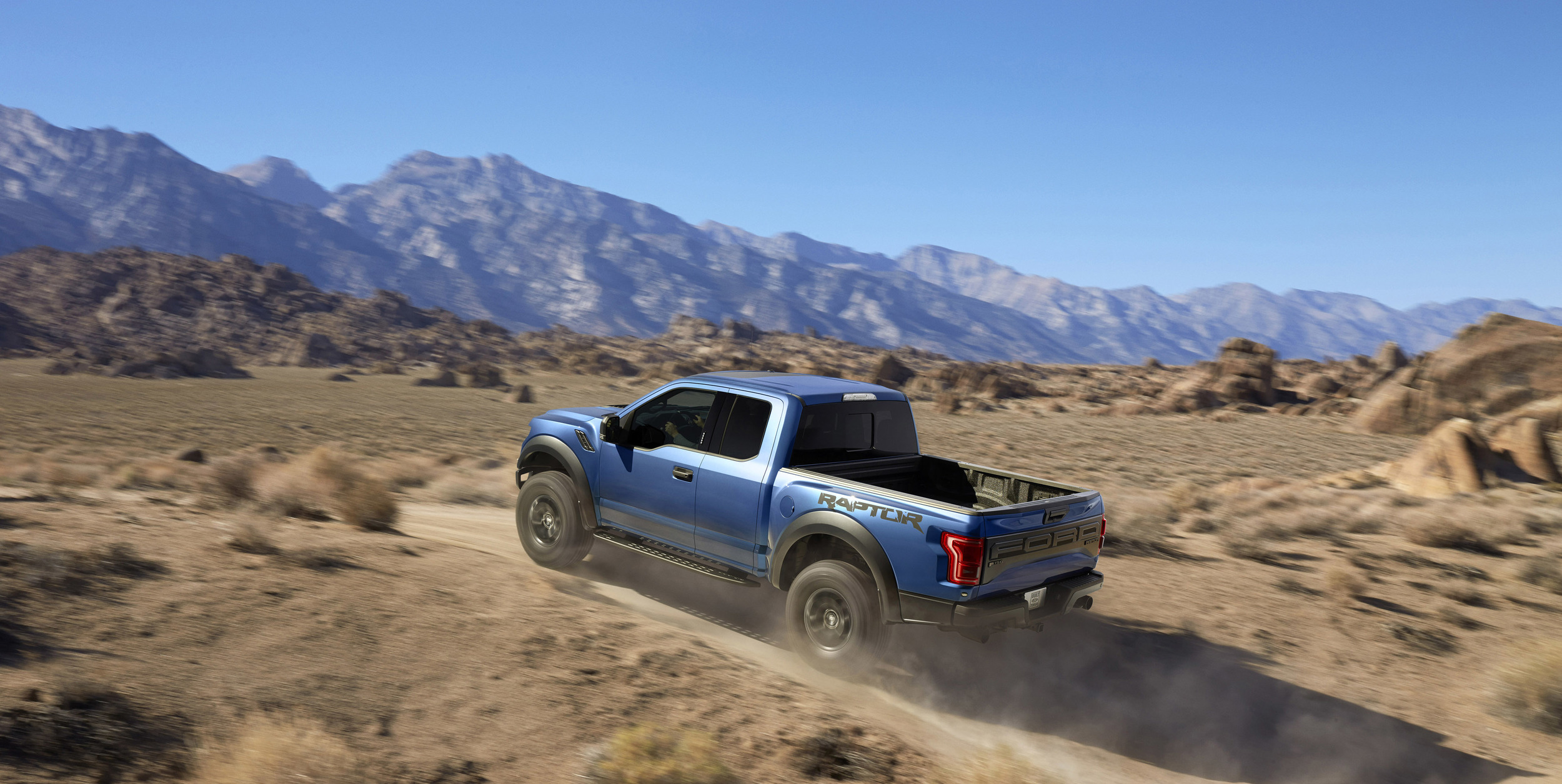
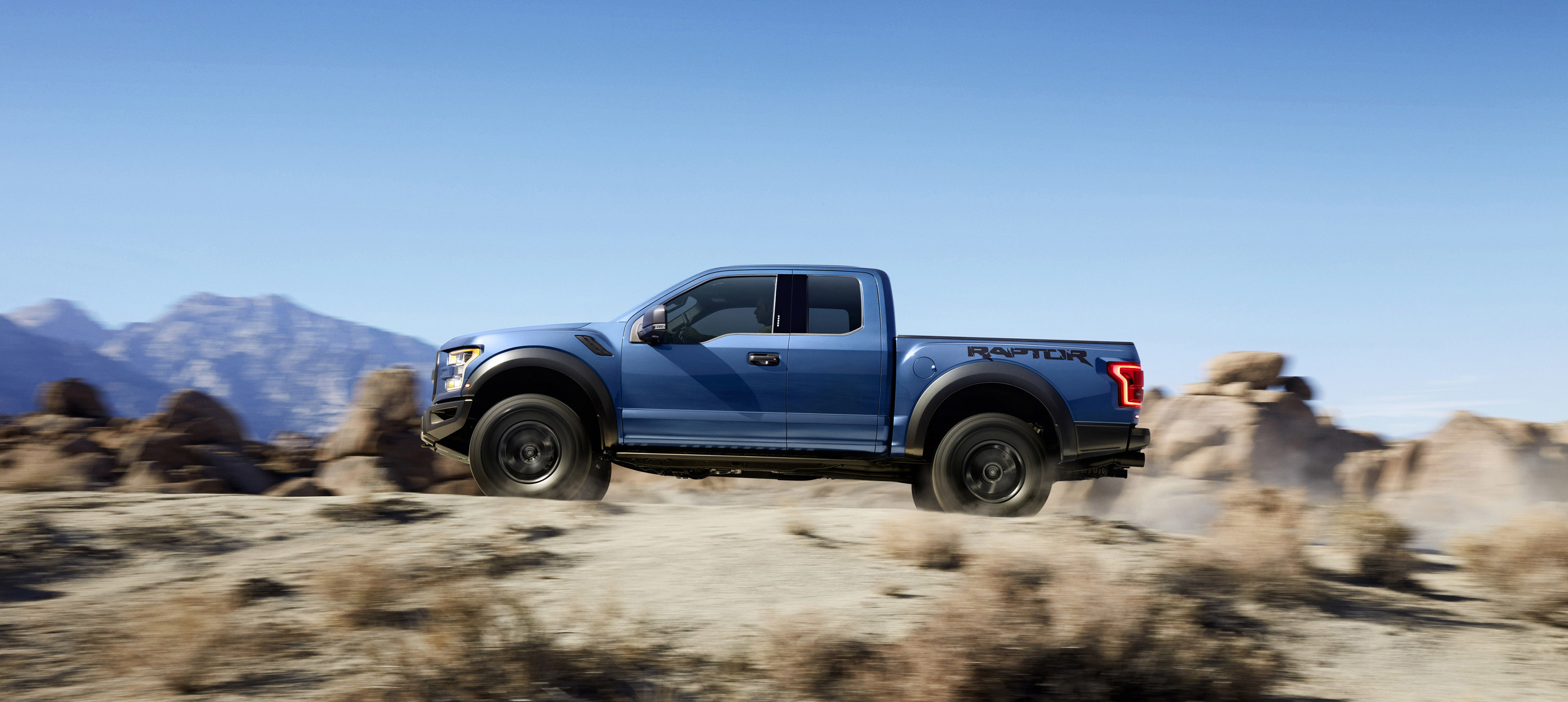
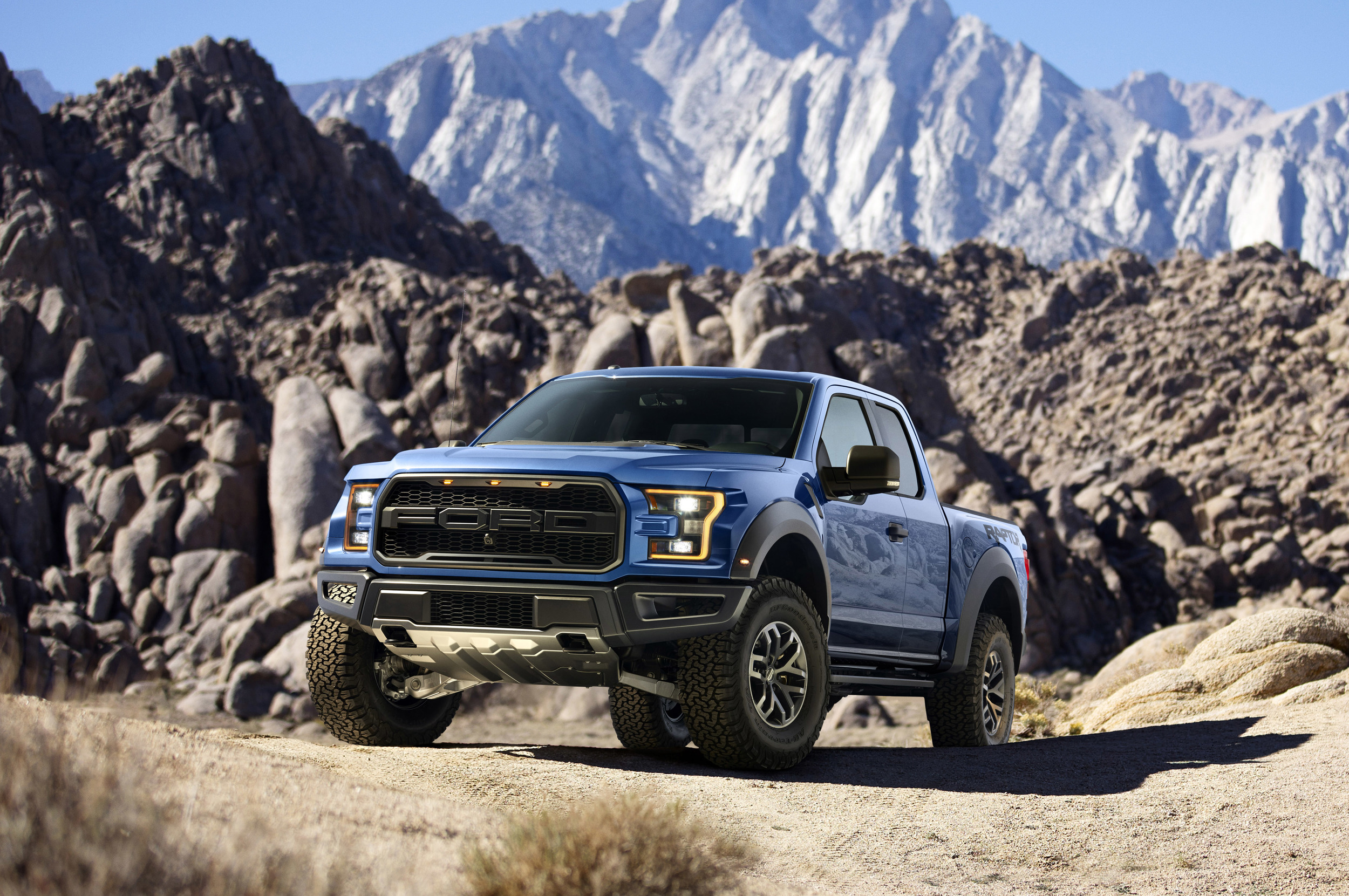
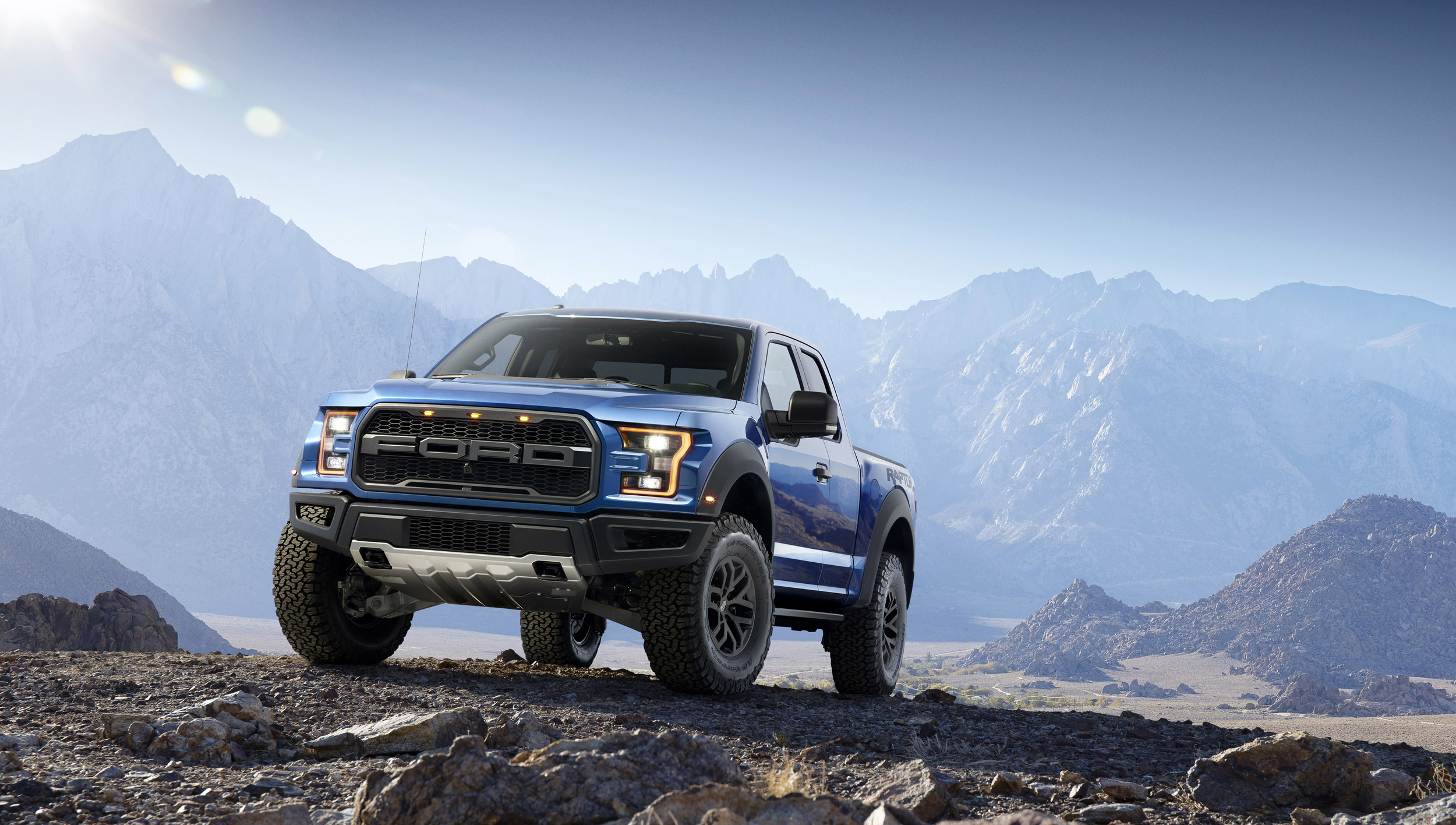
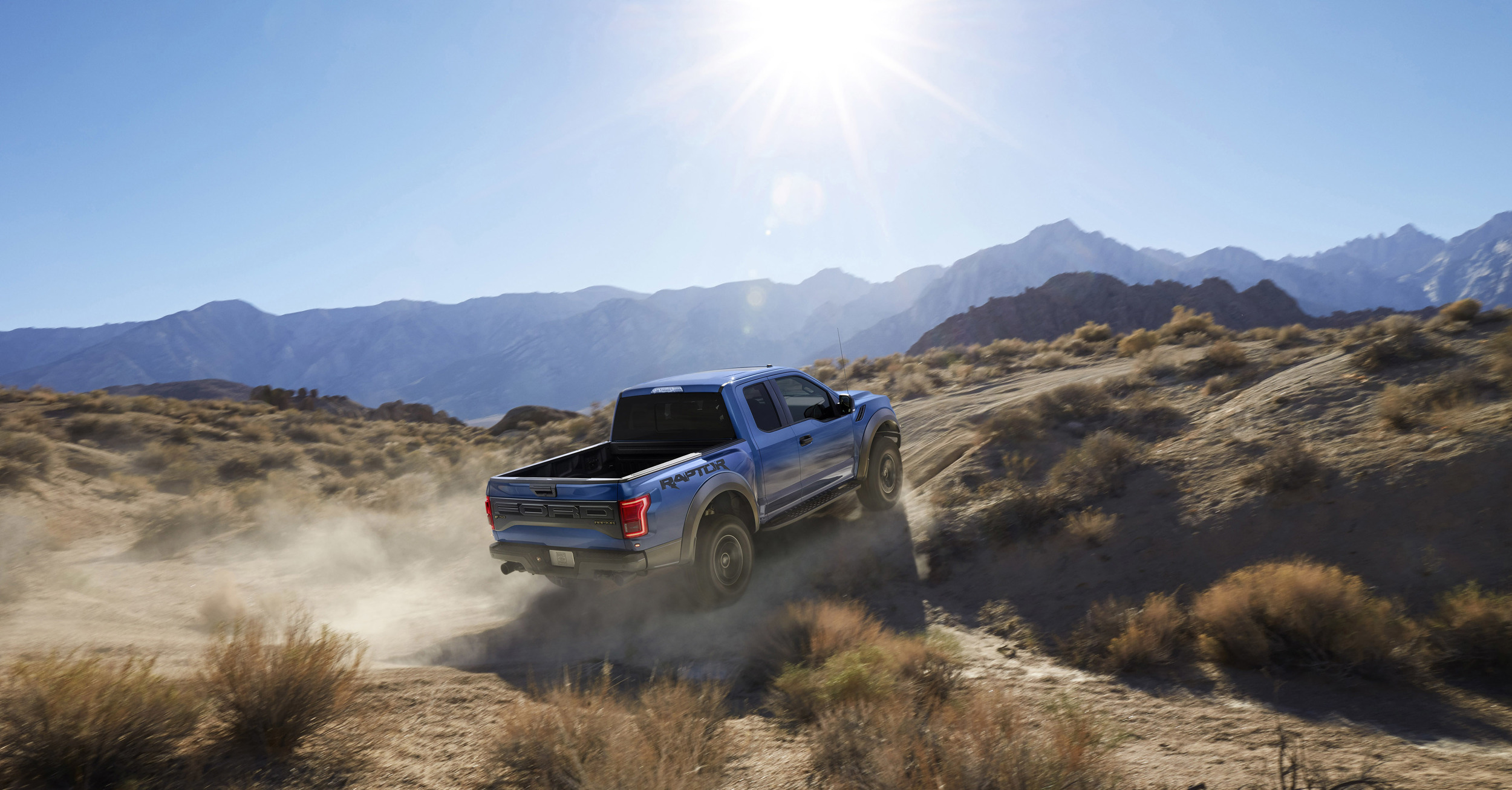
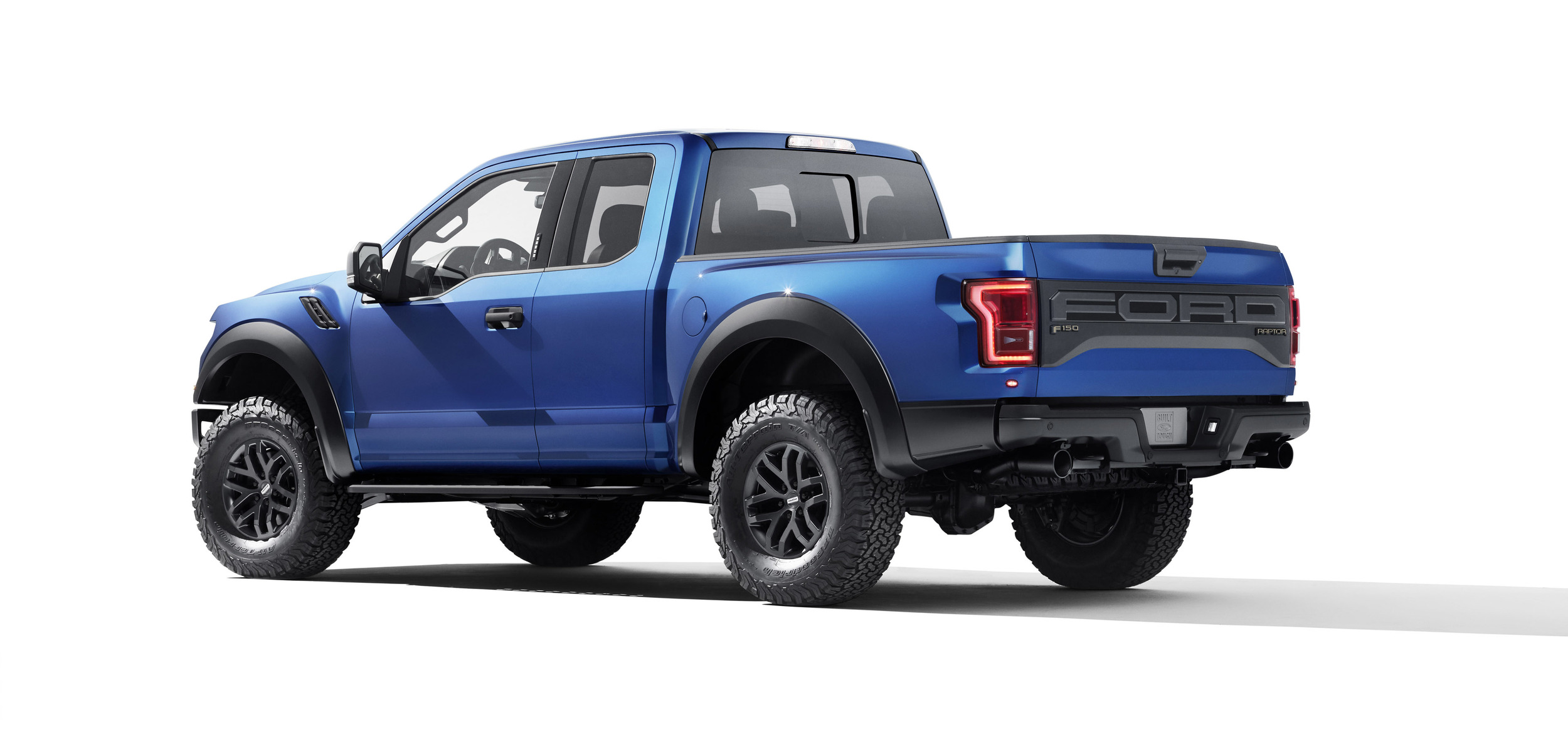
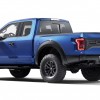
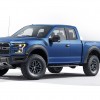
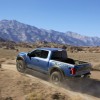
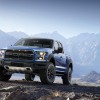
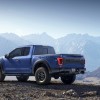
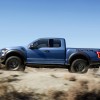
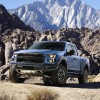
Ford has finally introduced the world to the 2017 F-150 Raptor, and as we exclusively predicted months ago, the new Raptor will come with an EcoBoost V6. Yes, it has all new chassis, aluminum body, 10-speed transmission, and will outperform the last generation Raptor handily – but a V6 in a Raptor, really?
Here are the vitals:
The Raptor will be 500 pounds lighter than the current model.
FOX 3.0 Internal Bypass front and rear.
The new Raptor’s engine will be a 3.5L Ecoboost V6 with a new aluminum block and upgraded internals, revised heads, and tweaked fuel-delivery equipment for a rumored 450-500HP.
The new Raptor will be ~6″ wider than the standard new model 2015 F-150.
10-speed transmission.
Paddle shifters!
6 Upfitter (AUX) switches.
Push button start!
“The four-wheel-drive system in the next-gen Raptor will include a Terrain Management with settings for Normal driving, Street driving, Weather mode (for rain, snow or ice), Mud and Sand, Baja mode and Rock mode. According to Ford, the Raptor’s new transfer case is designed to work as both a locking unit for crawling and a full-time unit for other off-road applications. A Torsen front differential will be optional.”
Check out the gallery below:
Here is the Ford Press Release:
“All-New F-150 Raptor Is Ford’s Toughest, Smartest, Most Capable Truck for Ultimate Off-Road Performance
Toughest: All-new, purpose-built high-strength steel frame unique to Ford F-150 Raptor, and high-strength, military-grade, aluminum-alloy body help save more than 500 pounds of weight for improved performance and capability
Smartest: Powered by all-new, high-output 3.5-liter EcoBoost® engine with more horsepower and torque than current Raptor’s 411-horsepower, 434-lb.-ft. 6.2-liter V8; all-new 10-speed transmission; advanced LED lighting, camera technology for improved visibility day or night
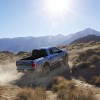
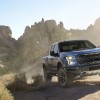
Most capable: Redesigned, larger FOX Racing Shox with more suspension travel and all-new terrain management technology help F-150 Raptor tackle America’s toughest trails – from dry washes in the Mojave Desert to Moab’s rocky terrain to Michigan mud, sand and snow
Ford, America’s truck leader, today introduced the all-new F-150 Raptor – the ultimate high-performance off-road pickup in the company’s lineup.
Ford has reengineered every part of the F-150 Raptor to make it the toughest, smartest, most capable off-roader – and more efficient than ever.
“When we created the first Raptor, we set out to prove vehicle performance isn’t just measured on the street or at the track – off-road can be even more fun,” said Raj Nair, Ford group vice president, Global Product Development. “The original Raptor, plus enhancements on the all-new F-150 set the bar for us to make the all-new Raptor better in every way.”
Toughest The all-new Raptor starts with a purpose-built frame – the backbone of the truck – that is the strongest in the F-150 lineup, featuring more high-strength steel than the outgoing Raptor.
Forged from high-strength, military-grade, aluminum alloy that helps save more than 500 pounds of weight, Raptor’s exterior design is inspired by Ford’s performance heritage in off-road racing that includes Best in the Desert, Lucas Oil Off Road Racing Series and the famous Baja 1000.
Raptor’s chiseled looks are reminiscent of those found in Trophy Trucks – the most powerful and fastest off-road pickups.
Raptor is 6 inches wider than the standard F-150 for improved stability off-road.
The all-new Raptor also boasts its first-ever dual exhaust and new 17-inch wheels with next-generation BFGoodrich All-Terrain KO2 tires specifically designed for off-road performance.
Smartest Raptor is powered by Ford’s new, second-generation 3.5-liter EcoBoost® engine that produces more power with greater efficiency than the current 6.2-liter V8, which is rated at 411 horsepower and 434 lb.-ft. of torque.
The first-generation 3.5-liter EcoBoost proved its mettle off-road – racing in the original F-150 EcoBoost Torture Test truck in the 2010 Baja 1000, as well as notching repeated wins in off-road race series.
The high-output 3.5-liter EcoBoost is a Raptor exclusive in the F-150 lineup. It will be paired with an all-new 10-speed transmission for improved efficiency.
An all-new four-wheel-drive, torque-on-demand transfer case, with an advanced, easier-to-use version of off-road mode driver-assist technology, further improves Raptor’s trail performance.
Raptor’s new transfer case, which manages power distribution between the front and rear wheels, combines the best attributes of clutch-driven, on-demand all-wheel drive with durable, mechanical-locking four-wheel drive.
“The new transfer case offers better traction for a greater variety of terrain at low and high speeds – both on-road and off-road,” said Jamal Hameedi, chief engineer, Ford Performance.
Raptor’s pioneering off-road mode driving technology has evolved into an all-new Terrain Management System™ that enables the driver to select modes to optimize driving dynamics to environmental conditions – from snow to mud, sand and more.
The new Raptor features calibration changes to its powertrain, driveline, traction control, ABS and AdvanceTrac stability control for optimal performance. There are six preset modes for the truck depending on terrain and driving conditions:
Normal mode for everyday driving Street mode for higher-performance, on-road driving Weather mode for rain, snow or ice Mud and sand mode for muddy and sandy trails and terrain Baja mode for high-speed desert running Rock mode for low-speed rock crawling
Most capable An available Torsen front differential increases off-road capability further. The system increases grip significantly for the front end of the truck and allows it to pull itself over obstacles and up steep grades – even when traction is split between the front tires.
Building a high-performance off-road truck isn’t just about engine power – more importantly, it’s about the suspension.
F-150 Raptor comes standard with new FOX Racing Shox with custom internal bypass technology that works to damp and stiffen suspension travel over rough terrain to help prevent the truck from bottoming out.
Front and rear shock canisters have grown from 2.5 inches to 3 inches in diameter for improved performance. They feature more suspension travel than the current Raptor’s 11.2 inches at the front and 12 inches at the rear.
Advanced LED lighting and camera technology contribute to improved visibility on the trail or street – day and night.
Commanding and comfortable While the exterior design of the F-150 Raptor is about projecting an image, the interior design is about creating a comfortable place for driver and passengers to enjoy their time on- and off-road.
Added content includes interior upgrades, three color material levels, and paddle shifters to manually shift the 10-speed transmission.
Auxiliary switches to control aftermarket equipment such as lights or an air compressor are mounted out of the driver’s way in the roof of the cab – similar to a fighter plane.
“This all-new F-150 Raptor takes Raptor performance to the next level,” said Dave Pericak, director, Ford Performance.
The all-new Raptor will be built at Dearborn Truck Plant, and goes on sale fall 2016.”