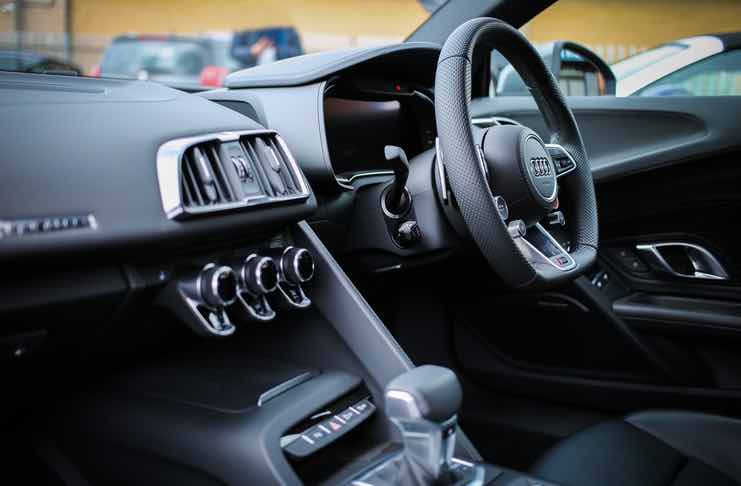
Searching for the most common reasons why do dashboards crack? You’ve reached the right place. The dashboard (vehicle’s instrument panel) offers all-important information and provides the necessary instruments for operating the car properly. It’s essential to pay close attention to any lights that happen to come on while you’re driving. Automotive dashboards are many up of several layers of plastic – PVC, to be more exact.
As you can imagine, the plastic components can crack following constant exposure to direct sunlight and heat if they’re not adequately maintained and protected. Nonetheless, there are other reasons why dashboards crack. You wake up one day and see that the dashboard is cracked, but you don’t quite understand how this could have happened. Knowing exactly what caused the problem will help you to prevent similar occurrences.
Why Do Dashboards Crack?
1. Ultraviolet light
Sunlight shining through the windscreen can lead to damage to the dashboard. Part of that sunlight is represented by ultraviolet light, which is extremely dangerous because it affects the structural integrity of the plastic. What happens is that the plastic becomes brittle and dry, so it shouldn’t come as a surprise that it’s prone to cracking.
Sunlight is no joke when it comes down to the materials that make up your car’s cabin. If you live in a hot climate, there are many things you can do to protect your vehicle’s interior. Park it indoors, tint your car’s windows to reduce the amount of UV exposure, and, last but certainly not least, use a sunshade.
2. Heat
If you own an old car, you should worry about dashboard degradation. The older the vehicle, the bigger the fissure. Similar to the sunlight, heat can chemically alter the plastic of the dashboard, causing it to turn gray and eventually crack. In case you didn’t already know, on a hot day, the interior of the car can reach 100 degrees Fahrenheit in less than 1 hour.
From the inside to the outside of your car, all sorts of problems can arise, so you need to find a way to deal with the soaring temperatures. You can’t drive only at night, but you can park your vehicle in a garage. Avoiding direct sunlight helps protect the car’s interior and exterior from drying and cracking.
3. Car crash
The world has witnessed countless fatalities since accurate car record-keeping began back in the 1920s. In spite of stricter road safety laws, not to mention the measures implemented by transit authorities, collisions still occur. Your chances of getting into a car accident are extremely high. After the crash, you might notice some cracks in the dashboard.
Some fissures aren’t visible to the naked eye, so you’d need a magnifying glass to spot them. Even so, the problem needs to be addressed right away. Your vehicle won’t make a good impression, just so you know. Make steps towards repairing the crack. Insurance will cover for the damage only if it’s serious enough.
Small cracks can be repaired
It’s not necessary to take your car to an auto repair shop if the cracks are relatively minor. You can have the problem fixed yourself. This isn’t as complicated as it sounds and you’ll soon get the feel of your accomplishment. If you have a small crack, you can just bond it together or patch it. It doesn’t make sense to take your vehicle to the mechanic.
Replacing the dashboard isn’t an option, especially if your car is older. The high price tag that comes with a new dashboard isn’t worth it. Tackle the repair problem yourself and save on the cost of replacing the entire thing. There are several repair kits available on the market, but you’re better off using moldable glue, which sets strong by transforming into silicone rubber.
Regardless of the location of the crack, you’re dealing with, the aforementioned product can do a good job of stopping the fissure from expanding and hides it relatively well. The glue can be molded into any shape or position, as the name clearly suggests, and it’s capable of sticking to any surface.
The best thing about this product is that it can be deployed with several types of materials, including but not limited to wood, glass, and metal. If you’d like to find out more, please visit https://sugru.com/. Once the problem is remediated, you’ll want to make sure that you don’t end up with more ruptures to repair. The likelihood of dashboard cracking happening again in the future is extremely high. Protect your dashboard and don’t compromise the quality of the car’s interior.
To guarantee a strong bond, it’s important to clean the dashboard. Before you do anything else, thoroughly clean the crack with the help of a cleaning rag. This will remove dust and dirt, which can prevent the fissure from properly sealing. Consider using a utility knife to make an incursion around the crack.
The cut shouldn’t be too deep. Apply the molding glue in 2 layers and let it dry enough time. You can use your fingertips to smooth out excess glue that has been squeezed out. Should the rupture be bigger, apply a vinyl coat before. The process is quite simple, all in all, and doesn’t require much preparation. If you’re up for the task, congrats. The odds are that the dashboard won’t crack any time soon.
Moldable glue preserves your car’s dashboard and helps it remain flexible over time. It’s so strong that it’s capable of withstanding temperature changes, as the plastic contracts and expands. If the fissure is deep and long, you’ve got no choice but to replace the dashboard, even if it’s a costly affair.
The downside is that you’ll have to dig deep into your pocket, especially if you’re driving a fancy new. If your vehicle’s new enough to source one, you’ll have to search far and wide to find one. Don’t use anything but a cleaning rag and warm water to clean the dashboard. It’s recommended to steer away from harsh cleansers, of which mention can be made of alcohol and detergents.