
Current-generation Formula 1 cars have been criticized by many as being too easy to drive. These critics have pointed examples of young and inexperienced drivers such as Max Verstappen.
The problem is that, requiring less skill and experience, makes more talented drivers less likely to stand out and, thus, hurt the sport itself. One way to change this is to increase the engine’s output considerably – which, in effect – would separate the amateur drivers from the professionals.
Last month, the F1 engine chiefs all met in Geneva to discuss cranking up the horsepower from the current 750hp to 1000hp – or even more. Furthermore, the FIA did not rule out the Power Unit Working Group’s suggestion, even though such a dramatic change is unlikely to happen before 2017.
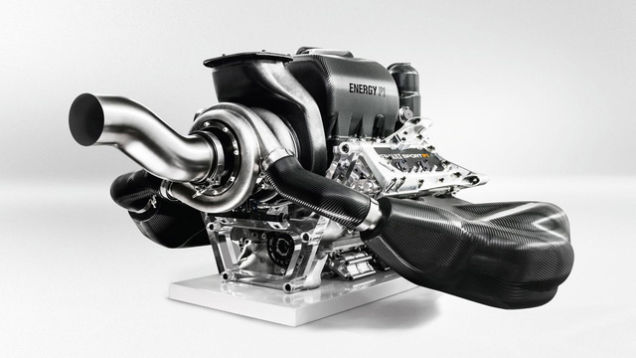
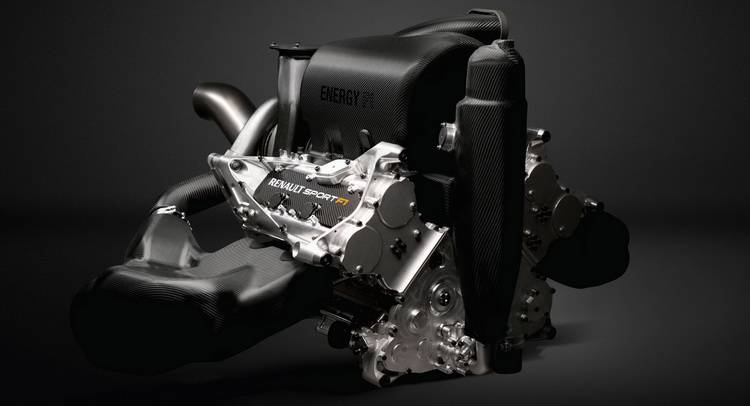
Some technical directors believe that the 1000-horsepower target can be achieved without a costly total redesign of today’s turbocharged V6 engines. A higher-revving limit, an increase to the regulated fuel flow rate, and little design tweaks such as upping the fuel tank capacity beyond 100Kg would, most likely, do the job to reach those numbers.
Legendary three-time F1 world champion – and current Mercedes exec Niki Lauda, has experienced the era of the high-power turbocharged engines, and he is in favor of this new idea.
“It should have been 1200bhp, plus wider tires and aerodynamic characteristics, which deliver a steep power curve that becomes very critical at the limit”, he said. “Currently, F1 cars allow every other GP2 and F3 driver to be as quick as established drivers within a very short time and without taking much risk.”
The FIA has already introduced stricter rules for new drivers obtaining an F1 super license, and is working with the teams to decide if an increase in downforce, bigger wheels and more aggressive designs should be implemented.